
Tacoma 2.7 2TR-FE Spark Plug Replacement at 200,000+ Miles: Complete Real-World Guide
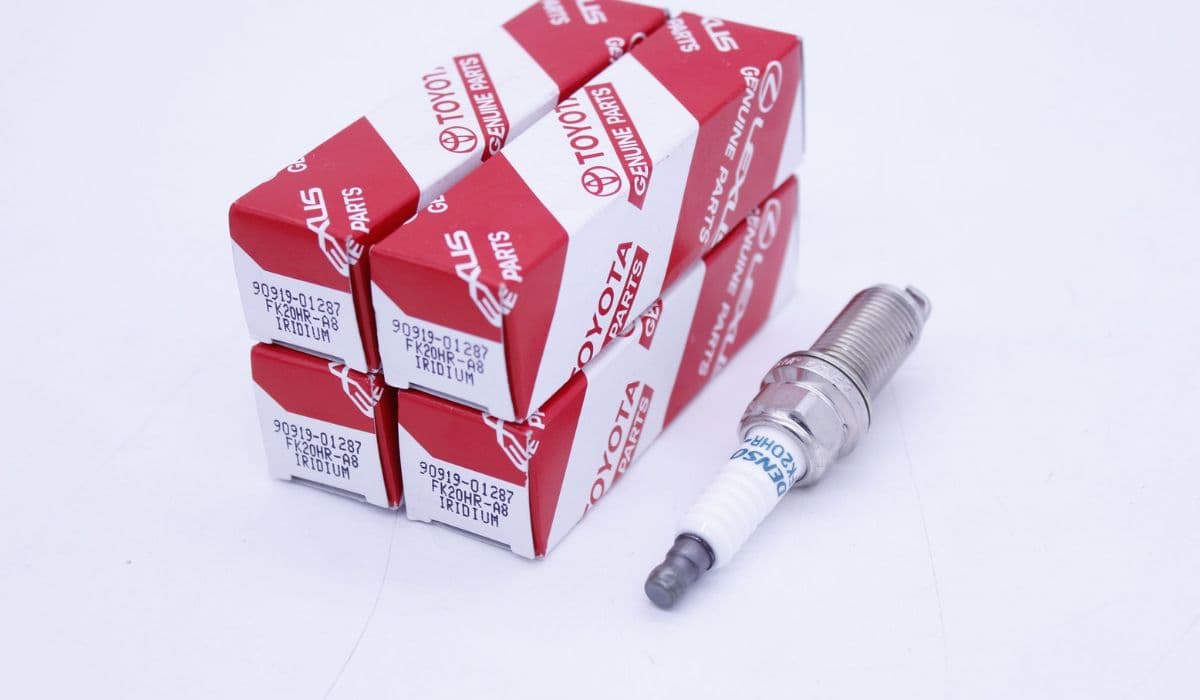
The Toyota Tacoma's 2.7-liter 2TR-FE engine stands out as one of the most durable four-cylinder powerplants ever fitted to a pickup. Many owners push these trucks well beyond 200,000 miles with minimal drama, often reporting the original iridium spark plugs still firing despite extreme mileage. When those plugs finally reach the end of their impressive lifespan, replacing them becomes one of the most rewarding maintenance tasks you can perform. A fresh set at high mileage frequently restores crisp throttle response, smoother idle, better cold starts, and noticeable gains in fuel efficiency.
High-mileage 2TR-FE engines often reveal worn plugs with dramatically widened gaps, mild carbon buildup, or slight electrode erosion. Yet the motor's forgiving nature means even neglected plugs rarely cause catastrophic failure—they just quietly rob performance over tens of thousands of miles. Replacing them revives the engine's character without major surgery.
Why Spark Plugs Matter More at 200,000+ Miles
At lower mileages, slightly worn plugs might go unnoticed in daily driving. Beyond 200,000 miles, the cumulative effects become obvious:
Subtle hesitation during acceleration, especially when loaded or climbing grades
Occasional light misfires under heavy throttle
Reduced power when merging onto highways
Slightly higher fuel consumption on long trips
Rougher idle after cold starts in cooler weather
The 2TR-FE uses fine-wire iridium plugs designed for longevity, but nothing lasts forever. The iridium tip resists wear exceptionally well, yet electrical arcing eventually erodes the center electrode and widens the gap. A gap that starts at factory spec can grow significantly, requiring higher voltage to spark consistently. This strains the ignition coils and reduces combustion efficiency.
Many owners report their first plug change occurring between 180,000 and 250,000 miles, with dramatic improvements afterward. One truck felt "brand new" after plugs were swapped at 246,000 miles, while another gained noticeable pep and economy at 300,000 miles despite heavy carbon on the old set.
Signs Your High-Mileage 2TR-FE Needs New Plugs
Look for these real-world indicators before diving in:
Engine feels sluggish compared to when it had lower miles
Fuel economy has dropped 1–3 mpg over time without other changes
Slight stumble or hesitation at part-throttle
Rough idle that smooths out after warming up
Check engine light with misfire codes (P0301–P0304), though many high-mileage trucks run without codes
Visible gap widening or electrode rounding when you finally pull them
If several symptoms align, fresh plugs often deliver the biggest single improvement short of major engine work.
Tools and Parts You Will Need
Gather these items for a smooth job:
4 new iridium spark plugs (Denso SK20HR11 or equivalent long-life iridium; NGK IFR6T11 also fits well)
Spark plug socket (5/8-inch or 16 mm with rubber insert to grip the plug)
6-inch or longer extension bar
Ratchet (3/8-inch drive preferred)
Torque wrench (inch-pounds range)
10 mm socket for coil bolts and intake clamps
Flathead screwdriver or trim tool for clips
Shop vacuum or compressed air blower
Dielectric grease (small amount for coil boots)
Anti-seize compound (optional, but use sparingly if at all)
Rags and gloves
The job typically takes 45–90 minutes for a first-timer working carefully.
Step-by-Step Replacement Procedure
Work on a cool engine to avoid burns and stripped threads.
Preparation
Park on level ground and set the parking brake
Disconnect the negative battery terminal (10 mm) for safety
Remove engine cover if present (clips or bolts)
Access the Coils
Loosen the air intake duct clamps (S-bend hose from airbox to throttle body)
Disconnect the MAF sensor connector if needed
Remove the resonator/intake silencer assembly (several 10 mm bolts and clips)
This exposes the four ignition coils sitting directly on the valve cover
Remove Old Plugs One at a Time
Unplug the electrical connector from one coil (press tab and pull)
Remove the 10 mm bolt holding the coil
Twist and pull the coil straight up—wiggle gently if stuck
Blow compressed air or use a shop vac around the spark plug well to remove debris
Attach the spark plug socket with extension and ratchet
Turn counterclockwise to remove the old plug (they often come out easily even at high mileage)
Inspect the Old Plugs
Examine each one closely:
Normal high-mileage appearance: light tan/gray insulator, rounded center electrode, widened gap
Excessive carbon: indicates rich running or short trips
Oil fouling: rare on this engine but points to valve seals
Asymmetric wear: suggests ignition or fuel delivery issues on that cylinder
Compare gaps—many exceed 0.050–0.060 inches after 200,000+ miles (factory around 0.043 inches).
Install New Plugs
Verify new plugs match OEM spec (pre-gapped; do not adjust)
Apply thin film of anti-seize to threads if desired (many skip this on aluminum heads)
Hand-thread each new plug to avoid cross-threading
Tighten to spec (usually 13–15 ft-lbs; use torque wrench)
Apply tiny dab of dielectric grease inside coil boot
Reinstall coil, tighten bolt, reconnect connector
Repeat for all four cylinders, working front to back.
Reassembly
Reinstall intake components in reverse order
Reconnect battery
Start engine and listen for smooth idle
Check for vacuum leaks around intake connections
Post-Installation Observations from Real Owners
After replacement at extreme mileage, owners frequently notice:
Sharper throttle tip-in response
Smoother acceleration from stop
1–2 mpg improvement in mixed driving
Quieter engine operation
Better cold-start behavior
The 2TR-FE often feels rejuvenated, proving why so many owners keep these trucks for decades. Some describe it as "cheap insurance" for continued reliability.
Common Mistakes to Avoid
Cross-threading new plugs (always hand-start)
Over-torquing (can crack insulator or strip aluminum head)
Dropping debris into cylinders (always blow out wells)
Reusing old coil boots if cracked
Forgetting to reconnect coil harnesses properly
Final Thoughts on Longevity
Performing this service at 200,000+ miles underscores the 2TR-FE's legendary toughness. With proper plugs, this engine routinely reaches 300,000–400,000 miles while remaining dependable for work, off-road adventures, or daily driving. Regular attention to basics like this keeps the Tacoma legend alive mile after mile.
More from Toyota
How to Fix a Toyota Sienna Sliding Door Cable Snap – Complete DIY Repair Guide
08.12.2025 13:44
Highlander Hybrid Battery Cooling Fan Cleaning: Complete Step-by-Step Guide
08.12.2025 12:56
Permanent Fix for Toyota 4Runner Liftgate Window Rattle (5th Gen 2010–2024)
08.12.2025 12:51
How to Fix Toyota Corolla Cross Wind Noise with a Simple Door Seal Modification
08.12.2025 12:47
Eliminate Turbo Lag on Toyota Tundra 2022+ with Pedal Commander – The Ultimate Throttle Response Upgrade
08.12.2025 10:47