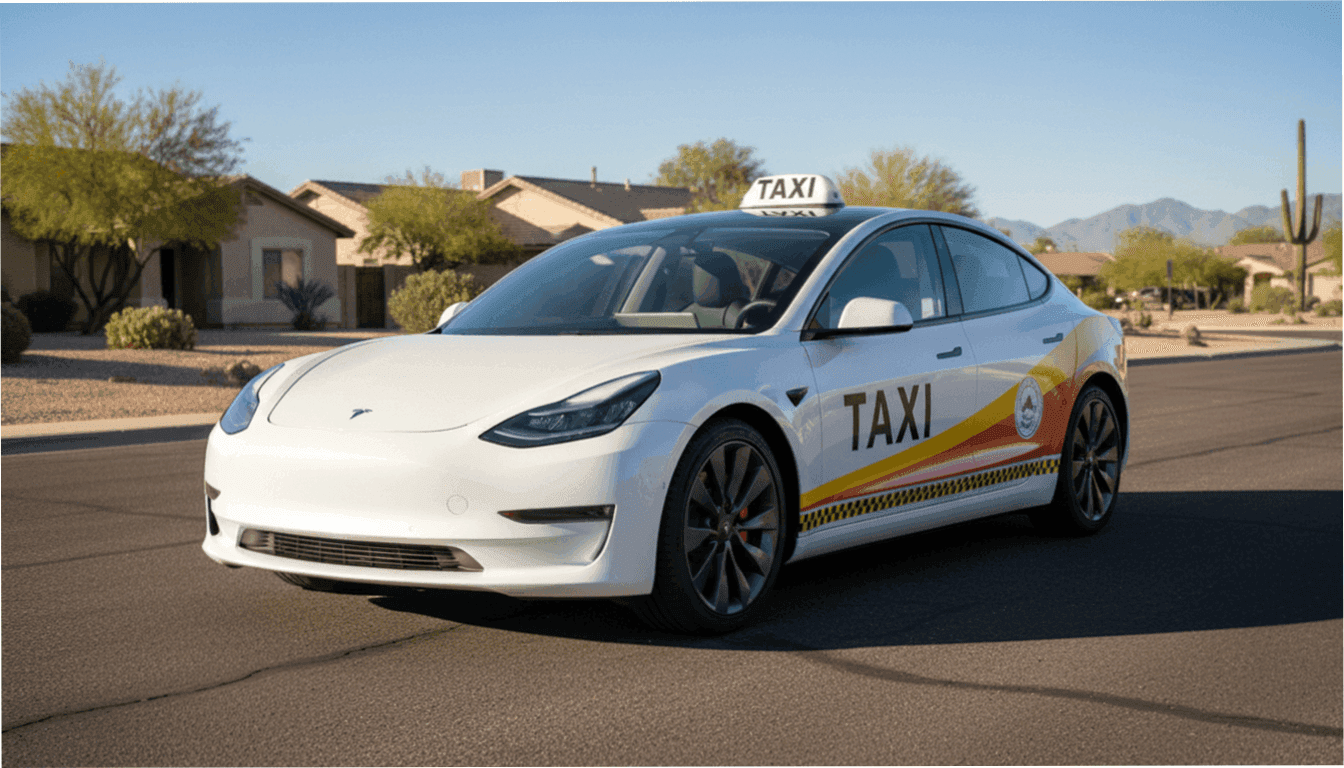
How New U.S. Tariffs on Japanese Cars Will Impact You
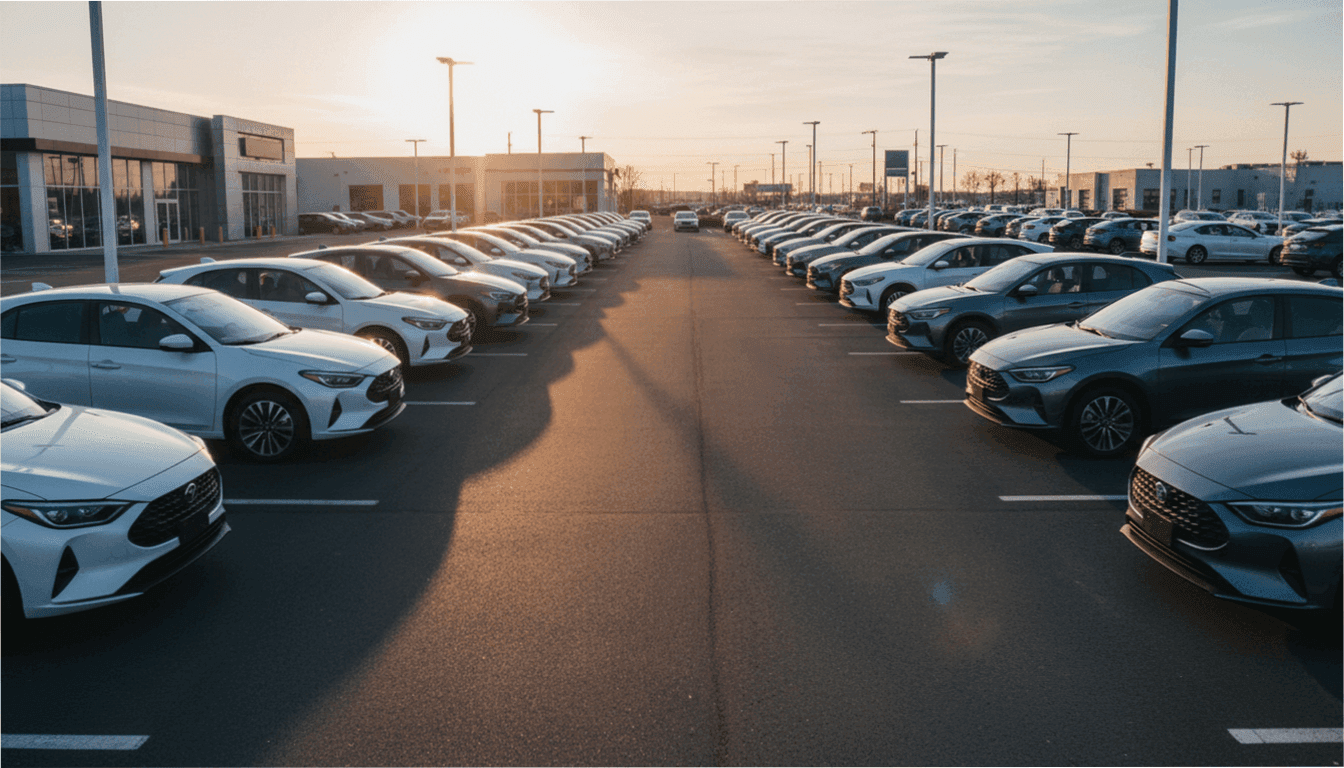
The latest U.S. tariffs on Japanese vehicles aren’t just a geopolitical dispute or a corporate accounting problem — they’re about to reshape the everyday reality of millions of American drivers.
From higher sticker prices to fewer affordable models and potential delays in new technology, Toyota, Honda, and Nissan say the financial hit they’re facing will inevitably reach consumers.
In other words:
What’s happening between Washington and Tokyo may directly affect your next car purchase.
Japanese automakers — the companies responsible for America’s most reliable and fuel-efficient vehicles — now warn that these tariffs are not temporary, but a “new normal.” And that means long-term changes to pricing, supply chains, and the cars available in U.S. dealerships.
Why This Matters for American Drivers
Even after decades of building factories in the U.S., Japanese carmakers still ship a large share of high-value vehicles and parts directly from Japan. Hybrids, advanced engines, battery systems, electronics — many of these components cross the Pacific before ending up in U.S. cars.
A 15% tariff on imports from Japan means:
higher cost of producing cars sold in the U.S.
higher sticker prices for buyers
fewer low-margin affordable models
slower arrival of new tech and hybrid systems
reduced incentives and fewer discounts
pressure on Japanese brands to scale back certain vehicles
This is why Toyota, Honda, and Nissan are sounding the alarm.
Honda: “This Is the New Normal” — Profit Hit of $2.5 Billion
Honda expects the tariffs to cut its annual profit by $2.5 billion.
Vice President Noriya Kaihara told reporters:
“This is the new normal which we believe will continue into the future.”
Honda also lowered its full-year profit outlook by 20%.
This will almost certainly push automakers to reconsider:
pricing strategy
model mix (fewer cheap sedans)
production allocation
investment in U.S. expansion
For drivers, this means the days of consistently affordable Hondas may be ending.
Nissan: From Break-Even to a $1.8 Billion Loss
Nissan said it would have broken even this year if not for the tariffs.
Now it expects a $1.8 billion loss.
CEO Ivan Espinosa stated:
“We thought initially it would be temporary… but now it is here to stay.”
Nissan’s financial vulnerability means:
more model cuts
fewer budget vehicles
higher MSRPs
reduced incentives compared to past years
This directly affects U.S. buyers who traditionally rely on Nissan for value-oriented transportation.
Toyota: Nearly $10 Billion in Tariff Costs — And Suppliers Are Hurting Too
Toyota now estimates the tariffs will cost $9.4 billion this year, up from earlier forecasts.
CFO Kenta Kon said the levies hit not only Toyota itself, but its entire network of Japanese suppliers, many of whom depend heavily on U.S. exports.
Toyota — known for its stable pricing — may face:
higher price floors for sedans and hybrids
increased production costs for U.S.-built SUVs
potential delays in new hybrid and EV technologies
supply shortages for advanced components
If Toyota raises prices even modestly, millions of U.S. buyers will feel it, as Toyota dominates hybrid and family-car segments.
How Tariffs May Shape Your Next Car Purchase
1. Higher Prices on Imported Models
Expect noticeable increases on:
hybrid sedans
Japanese-sourced SUVs
plug-in hybrids
premium trims
A 15% tariff can add $2,000–$6,000 to the cost of certain vehicles.
2. Fewer Affordable Cars
Low-margin compact sedans and budget-friendly vehicles are at risk.
Models likely affected:
Nissan Sentra
Toyota Yaris (imports)
Honda Fit (if reintroduced)
Japanese-market variants
Manufacturers may simply discontinue U.S. imports that no longer turn a profit.
3. Longer Waiting Times for Popular Hybrids
Because hybrid systems are largely produced in Japan, tariffs disrupt the flow of:
engines
battery packs
electrical systems
specialized electronics
This may mean waiting months for in-demand vehicles like the Toyota Prius, RAV4 Hybrid, or Honda CR-V Hybrid.
4. Higher Prices for Repairs and Parts
Tariffs apply not only to vehicles but also to parts.
This could raise the cost of:
replacement components
hybrid batteries
safety system modules
electronics and sensors
Expect higher repair bills and insurance premiums across Japanese brands.
5. New Models May Be Delayed or Postponed
If profit margins shrink, automakers may:
delay new product launches
cancel specialty models
focus on high-profit trucks and SUVs
reduce U.S.-only product lines
This could limit future options for American buyers who prefer Japanese vehicles.
A Long-Term Shift That Could Reshape the Entire U.S. Market
Japanese automakers do not believe tariffs will disappear when the administration changes.
They see:
U.S. domestic pressure toward protectionism
long-term political momentum behind reshoring
support from U.S. automakers for tariff retention
That means U.S. consumers should expect persistent price pressure and fewer low-cost options.
The era of the “cheap Japanese car” may be ending — not because of quality or technology, but because of geopolitics and economic policy.
Conclusion: What Drivers Should Prepare For
American drivers may soon face:
higher new-car prices
fewer affordable Japanese-made options
more expensive hybrid systems and parts
slower delivery times for imports
market-wide price inflation in 2025–2027
Japanese automakers will adapt — through U.S. factory expansion, supply-chain restructuring, and electrification — but these solutions take years.
For now, tariffs are no longer a temporary shock.
They’re a structural change that every U.S. car buyer will soon feel.
More from News
Are Lexus F Models Disappearing? The Uncertain Future of the Brand’s Performance Division
21.11.2025 19:05
Tesla Might Finally Add Apple CarPlay — Here’s What That Means for Drivers
21.11.2025 19:17