
Audi build quality panel gaps and interior rattles
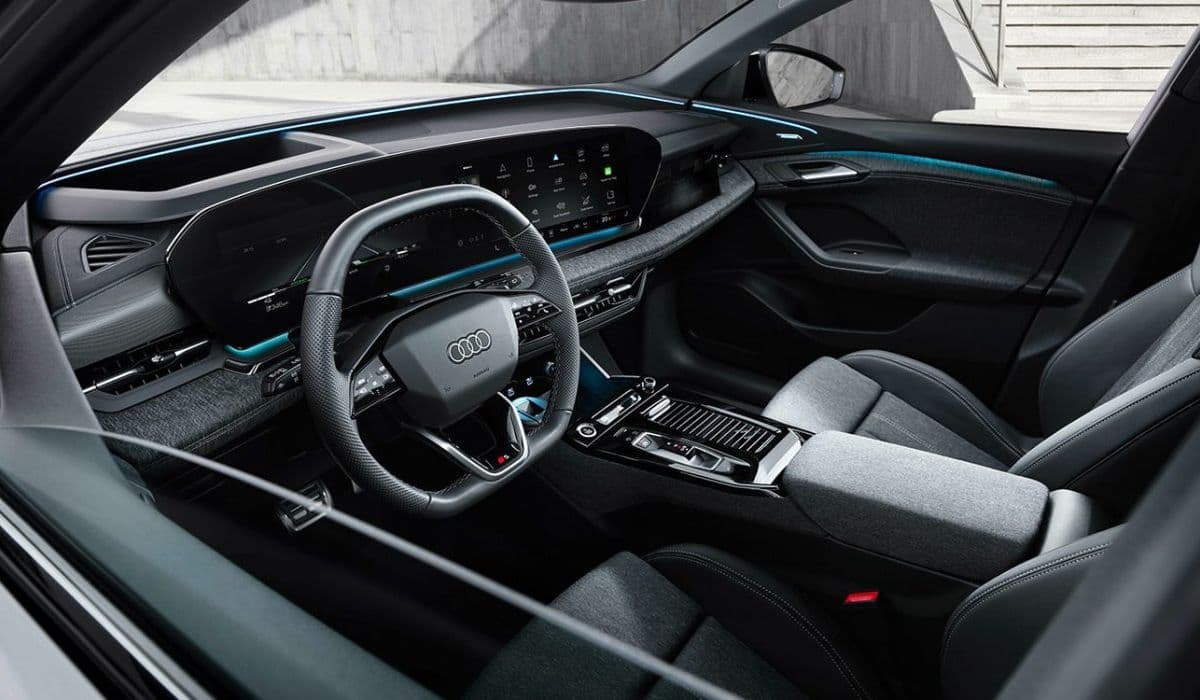
Audi vehicles have long been celebrated for their sleek design, advanced technology, and refined driving dynamics. Yet among enthusiasts and owners, discussions frequently turn to two persistent aspects of build quality: uneven panel gaps and those irritating interior rattles. These elements can influence perceptions of premium craftsmanship, even when mechanical performance remains exceptional. Understanding the causes, implications, and potential resolutions reveals much about modern automotive manufacturing realities.
What Panel Gaps Really Mean in Audi Models
Panel gaps refer to the uniform spaces between body panels—doors, hood, trunk lid, fenders, and bumpers. In an ideal world, these gaps appear consistent and symmetrical, contributing to a sense of precision engineering.
In practice, many Audi owners notice variations. Some report tighter alignments on one side compared to the other, or slightly wider gaps around certain areas like the trunk or doors. These inconsistencies often spark debates about whether they indicate rushed assembly or deliberate design choices.
Several factors contribute to visible panel gap variations:
Manufacturing tolerances — Modern factories use robotic precision, but allowable variances exist to accommodate thermal expansion, panel flex during driving, and weatherstripping seals.
Material behavior — Aluminum and high-strength steel panels respond differently to temperature changes and stresses over time.
Assembly line realities — Even with laser-guided systems, minor shifts can occur during final fitting, especially on complex shapes.
Post-production influences — Minor impacts, settling hinges, or even extreme weather can subtly alter alignments without structural damage.
While noticeable asymmetries can disappoint at first glance, most fall within factory specifications. Tighter gaps in some economy brands sometimes come at the expense of easier panel movement or repairability. Audis prioritize functionality—allowing slight play prevents binding or stress concentrations—over razor-sharp uniformity in every instance.
Owners who obsess over symmetry often compare side-to-side measurements with calipers, discovering differences of fractions of a millimeter. In most cases, these prove cosmetic rather than functional, though severe misalignment might hint at prior repairs or adjustments.
Common Causes of Interior Rattles in Audi Cabin
Few things disrupt the serene cabin experience more than unexpected noises from plastic components. Interior rattles plague various models, emerging over time or even appearing early in ownership.
These sounds typically arise from:
Loose trim pieces — Dashboard vents, center console panels, door cards, and instrument cluster surrounds shift slightly with vibrations.
Clip fatigue — Plastic fasteners lose tension after repeated thermal cycles and road impacts, allowing panels to vibrate against each other.
Sunroof mechanisms — Panoramic roofs rank among the most notorious culprits, with springs, guides, or seals creating creaks and buzzes over bumps.
Door panel components — Armrests, speaker grilles, window regulators, and storage compartments often generate metallic or plasticky noises.
Center console and armrest areas — Hinges, lids, and multi-layered assemblies rub together, especially when empty or lightly loaded.
Seat-related sources — Loose power seat switches, headrest cables, or backrest mechanisms produce periodic knocks.
Electric models amplify the issue dramatically. With engine noise absent, even faint vibrations become prominent, turning minor tolerances into audible annoyances. Quiet cabins expose every imperfection, much like a silent concert hall reveals a single cough.
Many owners describe the frustration of intermittent noises—present one day, gone the next—making diagnosis challenging. A rattle might only appear above certain speeds, on specific road surfaces, or during temperature swings.
Real-World Owner Experiences with These Issues
Forums and communities overflow with candid reports. Some praise rock-solid cabins lasting tens of thousands of miles without complaint, crediting meticulous assembly. Others recount multiple dealer visits for persistent buzzes from door panels or dash areas.
Common themes emerge:
Early rattles often trace to loose items—glovebox contents, cargo covers, or unsecured accessories.
Persistent cases frequently involve felt tape applications between panels, foam padding around vents, or clip replacements.
Sunroof-related noises prompt adjustments or added lubrication to guides and seals.
Door card rattles sometimes resolve with added foam behind panels or tightened fasteners.
Dashboard and console fixes range from simple tape applications to hinge lubrication.
A recurring observation: quieter vehicles highlight problems that engine noise once masked. What feels like a flaw in one context becomes tolerable in louder surroundings.
Dealership responses vary. Some technicians excel at pinpointing sources quickly, using test drives or diagnostic tools. Others dismiss concerns as "normal characteristics," especially beyond initial warranty periods.
DIY enthusiasts share inventive solutions—everything from tensioning seatbelts to isolate anchors, to playing low-frequency tones through speakers to amplify hidden vibrations for easier location.
Practical Approaches to Minimizing Panel Gaps and Rattles
While perfection remains elusive, proactive steps help maintain a composed cabin.
For panel gaps, regular visual inspections reveal changes early. Gentle hinge adjustments or rubber stop tweaks occasionally restore symmetry without invasive work.
Interior noise management benefits from systematic hunting:
Empty compartments and secure loose items first.
Press on suspect areas during drives to isolate sources.
Apply felt tape or foam strips between contacting surfaces.
Lubricate hinges and mechanisms sparingly with appropriate products.
Check and tighten visible screws in footwells or under panels.
Consider professional sound deadening for chronic problem areas.
Preventive habits—like avoiding overloading storage bins—reduce stress on components.
Ultimately, these characteristics reflect trade-offs in modern vehicle design: lightweight materials, complex assemblies, and ultra-quiet cabins demand near-perfect tolerances. When they fall short, the contrast feels sharper.