Audi cabin noise insulation excellent in higher trims
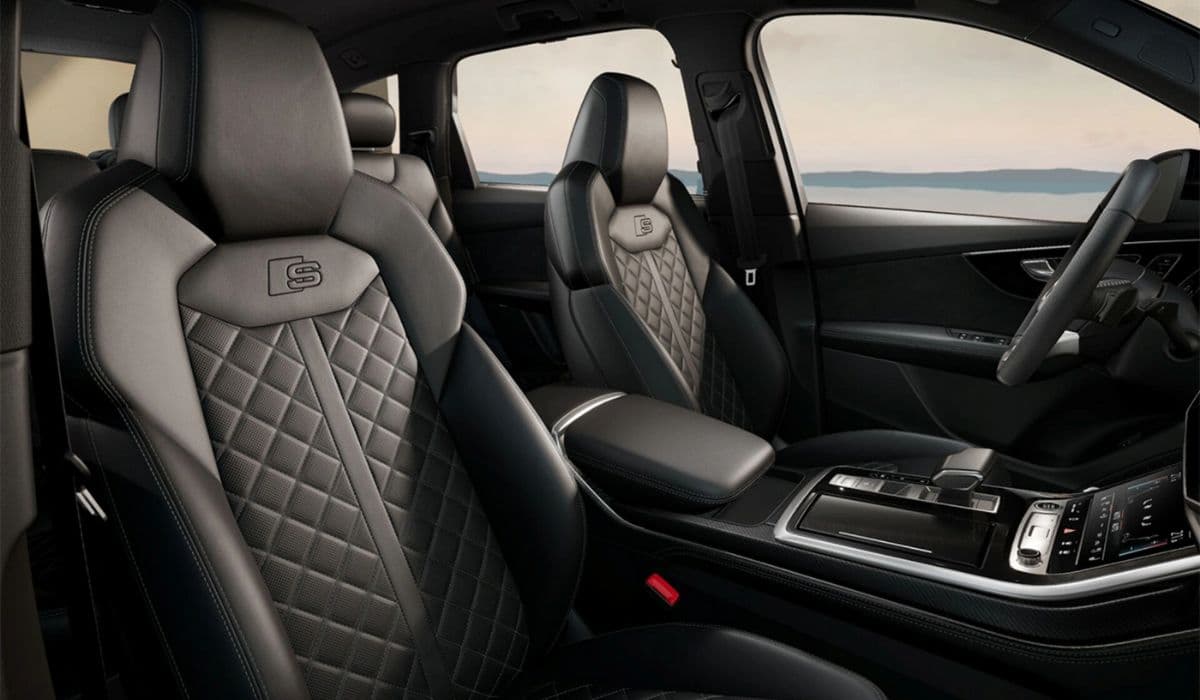
When stepping into an Audi, particularly in its higher trim levels, one of the first impressions many drivers notice is the exceptional serenity inside the cabin. Audi has long prioritized noise, vibration, and harshness (NVH) reduction as a cornerstone of its luxury appeal. While base and mid-level trims deliver competent refinement, the higher trims elevate cabin quietness to a remarkable degree, creating an environment that feels isolated from the outside world.
This difference stems from deliberate engineering choices that become more comprehensive as you move up the trim ladder. Owners upgrading from entry-level models often describe the transformation as profound—conversations flow effortlessly, music plays with greater clarity, and long drives feel far less fatiguing.
Key Technologies Behind Superior Noise Insulation
Audi employs a multi-layered strategy to combat noise intrusion. In higher trims, these elements combine synergistically for outstanding results.
Acoustic laminated glass (often dual-pane or with specialized interlayers) forms a primary barrier against wind and road noise. This glazing dampens vibrations far more effectively than standard single-layer glass, particularly noticeable at highway velocities where wind rush typically dominates.
Extensive sound-deadening materials cover critical areas such as wheel wells, floor pans, firewall, and doors. Higher trims receive thicker or additional layers of foam, fleece, and damping compounds that absorb tire roar and underbody vibrations before they reach occupants.
Advanced door sealing systems with multiple rubber gaskets and optimized weatherstripping minimize gaps that allow external sounds to seep in. This attention to detail prevents the subtle hiss of air turbulence around mirrors and pillars.
Active noise cancellation (in select models and trims) uses microphones to detect unwanted low-frequency sounds—like tire hum—and counters them with opposing sound waves through the speakers, delivering near-silent refinement without added weight from passive materials.
These features work together to target the three primary noise sources: wind, road, and powertrain. The result is a cabin where external disturbances fade into near-inaudibility.
How Higher Trims Outperform Lower Ones
The contrast between trim levels becomes evident when comparing real-world experiences. Entry-level configurations prioritize efficiency and essential comfort, often using lighter insulation packages to manage overall vehicle weight and cost.
In contrast, higher trims incorporate premium NVH enhancements as standard or easily accessible options:
Front and side acoustic glass extends coverage beyond just the windshield, reducing high-frequency wind noise that can otherwise intrude around the A-pillars.
Additional underbody shielding and wheel arch liners cut down on tire-generated roar, especially on coarser road surfaces.
Reinforced bulkheads and multi-layer carpeting further isolate the passenger compartment from mechanical and environmental sounds.
Drivers frequently report that these upgrades make highway cruising feel library-quiet, even with larger alloy wheels that might otherwise amplify road noise. The difference shines during extended trips, where mental fatigue from constant background din simply disappears.
Real-World Benefits of a Quieter Cabin
A hushed interior delivers advantages that extend well beyond mere comfort.
Enhanced audio enjoyment — With less competing noise, premium sound systems reveal subtle details in music, from delicate highs to deep bass lines, without needing to crank the volume.
Clearer conversations — Passengers converse naturally at normal speaking levels, even at sustained high speeds, making family road trips or business calls far more pleasant.
Reduced driver stress — Lower ambient noise helps maintain focus and alertness over long distances, as the brain expends less effort filtering out distractions.
Improved sense of luxury — The serene atmosphere reinforces Audi's premium positioning, turning every drive into a refined experience rather than a noisy commute.
Many owners note that this quietness encourages more mindful driving—subtle audio cues from the vehicle become more apparent, and the overall ambiance feels sophisticated and composed.
Factors That Maximize Cabin Serenity
While higher trims provide the foundation, a few variables influence the final noise levels experienced.
Tire selection plays a significant role; lower-profile performance tires may transmit more road texture, but higher trims' added insulation often mitigates this effectively.
Aerodynamic design refinements, including optimized mirror shapes and flush window frames, reduce wind turbulence at the source.
Suspension tuning in upper trims (such as adaptive air systems) absorbs impacts smoothly, preventing suspension thumps from translating into cabin disturbances.
Combining these with the comprehensive insulation suite ensures consistent quietness across varied driving conditions—from smooth motorways to imperfect urban roads.
Why the Investment in Higher Trims Pays Off Acoustically
Choosing a higher trim isn't just about added gadgets; it's often about accessing Audi's most advanced NVH engineering. The incremental improvements in materials, glazing, and active systems create a noticeably more peaceful sanctuary. For those who value tranquility as a core part of the driving experience, the step up delivers one of the most tangible upgrades in the lineup.
This commitment to acoustic excellence underscores Audi's philosophy: true luxury isn't loud—it's remarkably quiet.