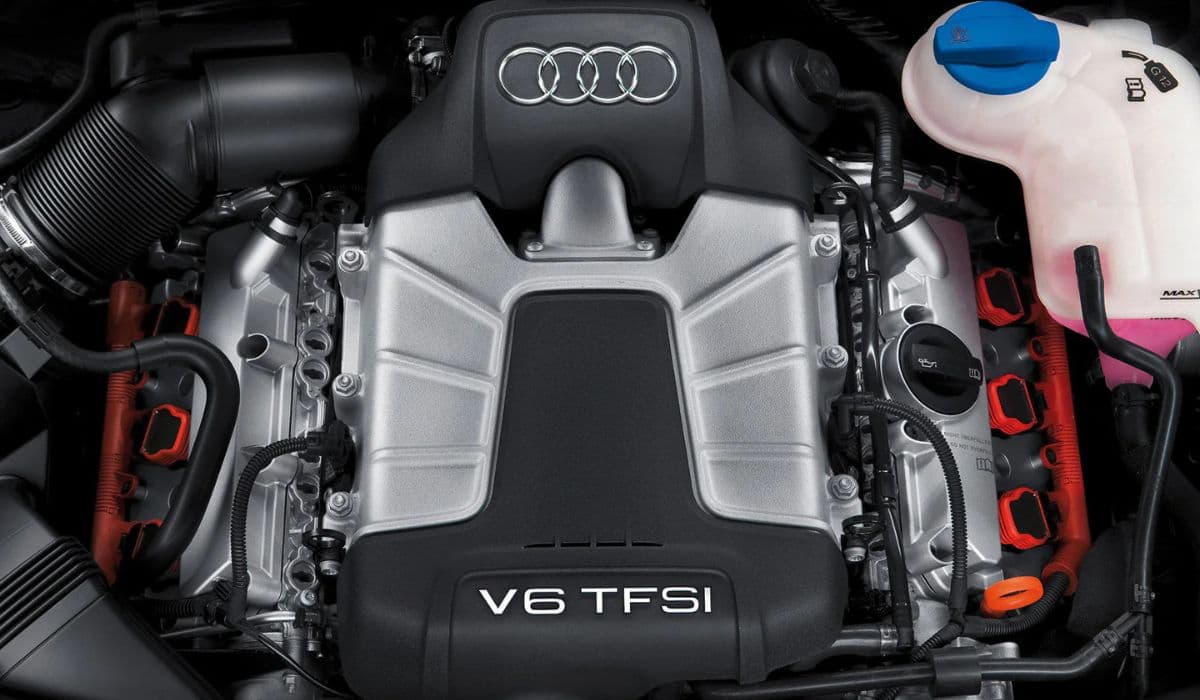
Audi carbon buildup on direct-injection engines
Direct-injection technology has transformed Audi engines, delivering sharper throttle response, higher power output, and better fuel efficiency compared to traditional port-injection systems. Models featuring FSI, TFSI, and TSI powerplants showcase Audi's engineering prowess with impressive torque curves and exhilarating driving dynamics. Yet beneath this refined performance lies a persistent challenge: carbon buildup on the intake valves. This phenomenon quietly robs engines of their potential, turning spirited drives into frustrating experiences if left unaddressed.
Why Direct Injection Leads to Carbon Deposits
In conventional port-injected engines, fuel sprays continuously over the back of the intake valves, carrying detergent additives that naturally scrub away deposits. Direct-injection systems change everything by placing injectors inside the combustion chamber. Fuel enters the cylinder at high pressure only during the compression stroke, bypassing the intake valves entirely.
Oil vapor from the crankcase ventilation system (PCV) flows into the intake tract, carrying tiny oil droplets.
These droplets mix with blow-by gases and EGR (exhaust gas recirculation) particulates when present.
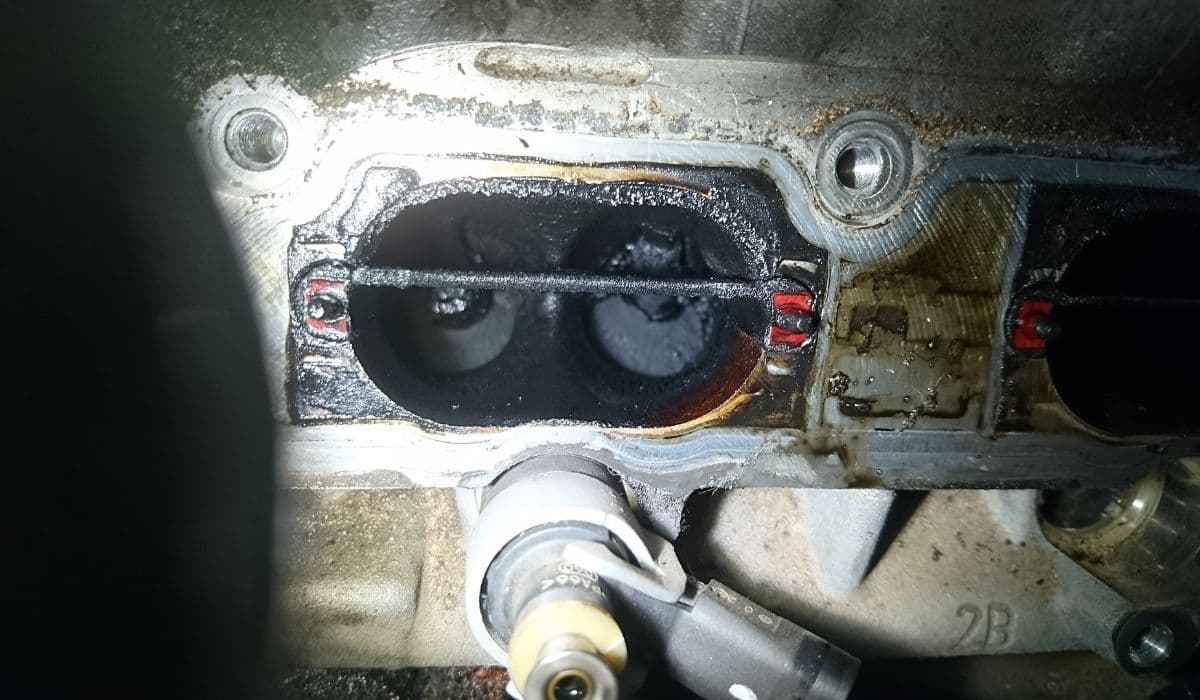
Heat cycles bake the mixture into hard, lacquer-like carbon layers on valve stems and tulips.
Over time, layers thicken into chunky deposits that disrupt airflow.
Audi's turbocharged TFSI engines amplify the issue because boosted air carries more contaminants, and higher operating temperatures accelerate deposit formation. The result is uneven airflow, disturbed tumble motion in the cylinder, and compromised combustion efficiency.
Telltale Signs Your Audi Is Suffering from Carbon Buildup
Early symptoms often masquerade as minor annoyances, but they progressively worsen. Owners frequently notice these changes:
Rough idle that feels like the engine is stumbling, especially noticeable when cold.
Hesitation or stumbling during light throttle application from a stop.
Reduced throttle response and a dull, flat power delivery above 3000 rpm.
Increased fuel consumption as the engine compensates for poor mixture formation.
Occasional misfire codes (P0300 series) or check engine light illumination.
In severe cases, audible pinging or knocking under load due to hot spots on valves.
Many drivers describe the feeling as the car having "lost its edge" — acceleration feels lazy, and the once-crisp engine note becomes muted. Performance-oriented models like the S4 or RS variants show these symptoms more dramatically because owners expect razor-sharp response.
The Real-World Impact on Engine Health and Driving Dynamics
Carbon deposits don't just affect drivability — they create cascading problems. Restricted valve openings reduce volumetric efficiency, forcing the ECU to adjust timing and fueling. This stresses components like spark plugs, coils, and turbochargers. Uneven combustion raises cylinder temperatures in localized areas, accelerating wear on piston rings and cylinder walls.
Turbo efficiency drops as the engine works harder to produce the same power. In extreme cases, large chunks of carbon can break free, damage valves, or get drawn into the cylinder — though catastrophic failure remains rare when addressed proactively. The cumulative effect turns an engaging driver's car into one that feels tired and unresponsive.
Effective Cleaning Methods: What Actually Works
When deposits reach problematic levels, surface-level solutions fall short. Intake sprays and fuel additives offer limited benefit since they cannot reach the backside of the valves effectively.
The gold standard remains walnut shell blasting (also called walnut media blasting). Technicians remove the intake manifold to access the valves directly. Finely crushed walnut shells — hard enough to dislodge carbon yet soft enough to avoid scratching aluminum or steel surfaces — blast away deposits under controlled pressure.
The process uses specialized wands and vacuum systems to contain media.
Each intake port receives individual attention for uniform results.
Biodegradable walnut media leaves no harmful residue.
Post-blasting inspection via borescope confirms a clean surface.
Alternative approaches like chemical induction cleaning or hydrogen-based decarbonization can soften lighter buildup but rarely match walnut blasting's thoroughness on heavy accumulation. Some shops combine methods for optimal outcomes, starting with chemical soaking before media application.
Proactive Strategies to Slow Carbon Accumulation
While complete prevention remains impossible in pure direct-injection designs, smart habits significantly delay severe buildup:
Prioritize extended highway drives over constant short trips — sustained higher RPM and heat help burn off lighter deposits.
Use premium, top-tier gasoline consistently to minimize low-quality fuel contaminants.
Adhere strictly to oil change intervals with manufacturer-spec low-volatility synthetic oil.
Consider an aftermarket oil catch can to trap oil vapors before they enter the intake tract.
Avoid excessive idling and aggressive cold starts whenever possible.
Regular borescope inspections every few years provide visual confirmation of valve condition without major disassembly. Catching moderate buildup early allows simpler cleaning before performance suffers noticeably.
Modern Evolutions and What They Mean for Future Audis
Newer TFSI generations incorporate refinements like dual-injection systems (port + direct) in select applications, allowing fuel to wash valves periodically. Updated PCV designs reduce oil vapor flow, and optimized EGR mapping limits particulate introduction. These advancements dramatically slow deposit formation compared to earlier EA888 and EA839 families.
Still, the fundamental physics of direct injection means some buildup occurs over high mileage. Enthusiasts who maintain their Audis meticulously often enjoy trouble-free operation well beyond typical problem thresholds.
Carbon buildup remains one of the trade-offs for the incredible efficiency and power modern Audi engines deliver. Understanding its mechanics empowers owners to stay ahead of the issue rather than react to declining performance. With proper care and periodic attention, these sophisticated powerplants continue rewarding drivers with the legendary Audi experience mile after mile.