Audi e-tron models great range but charging network reliability concerns
Audi's e-tron lineup stands out in the premium electric vehicle segment by delivering exceptional driving range that appeals to discerning drivers seeking both luxury and efficiency. Models across the family, from versatile SUVs to dynamic sedans and high-performance variants, showcase advanced battery technology and aerodynamic design that translate into strong real-world capability for daily commutes and longer journeys alike.
Exceptional Range Performance Across the Lineup
Audi engineers prioritize range without compromising the brand's signature refinement and performance. Recent models benefit from high-capacity batteries and efficient powertrains that deliver competitive figures under various conditions.
The Q6 e-tron achieves an EPA-estimated range of up to 321 miles in rear-wheel-drive configuration with optimized packages, making it a strong contender for those needing dependable distance in a mid-size SUV format.
Sportier variants like the SQ6 e-tron maintain solid capability around 275 miles, balancing exhilarating acceleration with practical usability.
Sedans in the A6 e-tron family push boundaries further, with rear-wheel-drive versions reaching up to 392 miles and dual-motor setups offering around 377 miles—figures that position them among the longest-ranging luxury electric options available.
The e-tron GT series, including S and RS trims, provides impressive highway-tested results, often exceeding expectations in controlled conditions, with real-world drives yielding 280 miles or more even under demanding scenarios.
These ranges stem from sophisticated 800-volt architectures in newer platforms, which enhance energy management and reduce losses during operation. Owners frequently report that mild weather, moderate speeds, and proactive preconditioning yield results close to or above official estimates, turning what might seem like theoretical numbers into genuine freedom from frequent stops.
Real-World Range Factors and Optimization Strategies
Range in any electric vehicle varies based on external influences, yet Audi e-tron drivers benefit from tools that help maximize every mile.
Key variables include temperature, driving style, terrain, and accessory usage. Cold conditions can reduce efficiency due to heating demands and battery chemistry, while aggressive acceleration or high speeds increase consumption. However, features like regenerative braking, efficiency modes, and navigation-integrated battery preconditioning mitigate these effects effectively.
Select Efficiency or Balanced drive modes to prioritize energy conservation over outright performance.
Use preconditioning via the app to warm or cool the cabin and battery while plugged in, preserving range during the drive.
Leverage one-pedal driving where possible to recapture energy during deceleration.
Monitor real-time efficiency displays to adapt habits on the fly.
In practice, many owners discover that conservative highway cruising and urban regenerative opportunities deliver confident distances, often surpassing pessimistic expectations and making road trips feel more seamless than anticipated.
The Critical Role of Reliable Charging Infrastructure
While impressive range reduces the frequency of charging stops, the dependability of public networks remains a pivotal factor for confidence on extended drives. Fast-charging capability shines in Audi e-tron models, with peak rates up to 270 kW or higher in select variants enabling 10-80% replenishment in roughly 20-25 minutes under ideal conditions.
This hardware advantage, however, encounters real-world hurdles tied to broader infrastructure challenges.
Inconsistent uptime across networks leads to frustration when stations appear operational but fail to deliver power.
Compatibility quirks, authentication errors, or software mismatches occasionally prevent sessions from initiating smoothly.
Older installations may struggle with high-power demands, resulting in throttled speeds or unexpected interruptions.
Peak-hour congestion and maintenance downtime compound issues in high-traffic corridors.
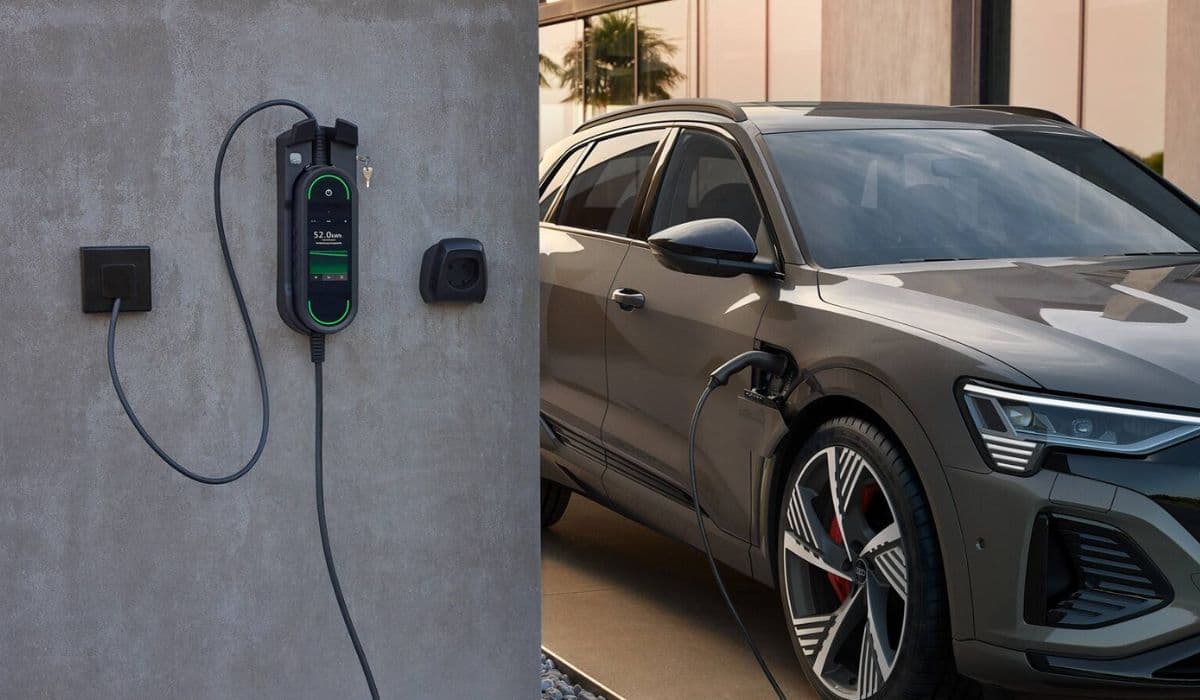
Owners often plan routes around verified reliable hubs, maintaining backup options to avoid disruptions. Home charging dominates daily routines for most, providing predictable overnight top-ups, but public fast-charging reliability directly influences the appeal of long-distance travel.
Common Charging Pain Points and Owner Experiences
Feedback from the community highlights recurring themes that temper enthusiasm for otherwise capable vehicles.
Cable connection failures or port issues sometimes require multiple attempts or resets.
Network app glitches or payment processing delays add unnecessary steps.
Variable power delivery, where promised speeds drop significantly, extends wait times.
Regional disparities exist, with some areas offering consistently strong performance while others lag noticeably.
These concerns do not stem solely from the vehicles themselves but reflect industry-wide maturation. Audi integrates features like Plug & Charge in many models to streamline authentication, and over-the-air updates continue refining compatibility and diagnostics.
Navigating the Charging Landscape Effectively
Strategic planning transforms potential frustrations into manageable aspects of ownership.
Rely on multiple apps and mapping tools to cross-reference station status and user reports in real time.
Prioritize newer, high-power sites along major routes for optimal performance.
Build in buffer time and range cushions when venturing into less-developed areas.
Embrace home or destination charging as the foundation, reserving public networks for supplemental needs.
As infrastructure evolves—with increasing deployments, higher capacities, and improved standardization—the gap between vehicle capability and network support narrows, enhancing overall usability.
Audi e-tron models excel in delivering substantial range that empowers confident electric driving, yet the persistent variability in public charging reliability serves as a reminder that the ecosystem continues maturing. Drivers who combine thoughtful route planning, home charging habits, and awareness of network strengths find these vehicles rewarding companions for both routine and adventurous travel.