Audi electronic warning lights and sensor failures
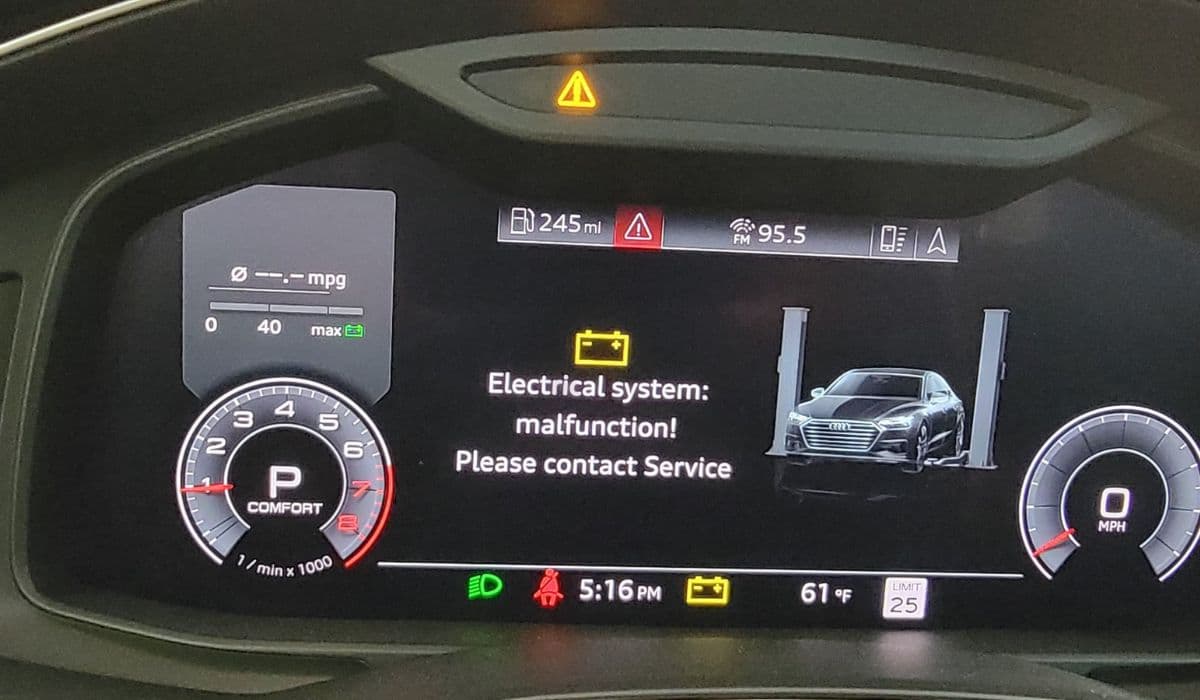
Modern Audi vehicles rely heavily on sophisticated electronic systems to monitor performance, safety, and comfort. At the heart of these systems are dozens of sensors and warning lights on the dashboard that alert drivers to potential issues. While these indicators are designed to enhance safety and prevent costly damage, sensor failures and false warnings can sometimes cause confusion or unnecessary worry. This article explores the most common Audi electronic warning lights, the sensors behind them, typical failure patterns, and practical steps to diagnose and address problems.
Understanding Audi Dashboard Warning Lights
Audi uses a standardized color-coding system for warning lights:
Red – Immediate action required (critical safety or engine issue)
Yellow/Amber – Warning that should be addressed soon
Green/Blue – Informational (system active or functioning normally)
Each light is tied to one or more sensors that continuously feed data to the vehicle's electronic control units (ECUs). When a sensor value falls outside expected parameters—or communication with the sensor is lost—the corresponding warning light illuminates.
Common Warning Lights and Their Associated Sensors
Here are the most frequently encountered warning lights in Audi models and the primary sensors involved:
Check Engine Light (MIL – Malfunction Indicator Lamp) Usually yellow. Triggered by issues in the engine management system. Common sensors:
Oxygen sensors (pre- and post-catalytic converter)
Mass Air Flow (MAF) sensor
Manifold Absolute Pressure (MAP) sensor
Crankshaft and camshaft position sensors
Knock sensors
ABS Light Red or yellow. Indicates a problem with the Anti-lock Braking System. Common sensors:
Wheel speed sensors (one per wheel)
Brake fluid level sensor
Brake pressure sensors
ESP / ESC / Traction Control Light Often yellow with a car skidding icon. Related to Electronic Stability Program. Common sensors:
Wheel speed sensors (shared with ABS)
Yaw rate sensor
Lateral acceleration sensor
Steering angle sensor
Tire Pressure Monitoring System (TPMS) Light Yellow tire icon. Common sensors:
Direct TPMS pressure sensors inside each wheel
Indirect TPMS (uses wheel speed sensors to detect pressure loss)
Oil Pressure / Oil Level Warning Red oil can icon – critical. Common sensors:
Oil pressure sensor (usually located near the oil filter)
Oil level sensor (in the oil pan)
Battery / Alternator Warning Red battery icon. Common sensors:
Battery monitoring sensor (on the negative terminal)
Alternator control module
Coolant Temperature Warning Red thermometer icon. Common sensors:
Engine coolant temperature sensor
Coolant level sensor (in the expansion tank)
Airbag / SRS Light Red airbag icon – indicates a fault in the Supplemental Restraint System. Common sensors:
Crash sensors (front, side, rear)
Occupant detection sensor (in passenger seat)
Seat belt buckle sensors
Parking Brake / Brake Pad Wear Light Red or yellow. Common sensors:
Brake pad wear sensors (contact strips in the pads)
Parking brake position sensor
Why Sensors Fail in Audi Vehicles
Audi sensors operate in harsh conditions: extreme temperatures, vibration, road salt, moisture, and constant electrical cycling. Common failure causes include:
Contamination Oil, brake dust, road salt, or metal shavings can coat or corrode sensor surfaces.
Wiring and Connector Problems Chafed wires, corroded pins, or loose connections are especially common in wheel speed sensors and engine bay harnesses.
Thermal Stress Sensors near the exhaust or engine block endure repeated heating/cooling cycles, leading to internal cracking or solder joint failure.
Mechanical Damage Wheel speed sensors can be damaged by road debris or during brake jobs if not handled carefully.
Age and Mileage Many sensors are designed to last 150,000–250,000 km, but real-world conditions often shorten this lifespan.
Software / Calibration Issues After battery replacement or wheel alignment, some systems (especially steering angle and yaw rate sensors) may require recalibration.
Diagnosing Sensor Failures Effectively
Proper diagnosis saves time and money. Follow this logical sequence:
Read Diagnostic Trouble Codes (DTCs) Use an OBD-II scanner compatible with Audi (preferably VCDS, OBDeleven, or a professional tool). Generic scanners often miss manufacturer-specific codes.
Check Live Data Compare sensor readings with specification values. A faulty sensor may show implausible values (e.g., 0 bar oil pressure at idle) or no signal at all.
Inspect Visually Look for damaged wiring, corroded connectors, or oil contamination around sensors.
Perform Component Tests Many sensors can be tested with a multimeter:
Wheel speed sensors usually produce an AC voltage signal when the wheel spins
Temperature sensors should show changing resistance with heat
Pressure sensors typically output 0–5 V analog signal
Clear Codes and Recheck After repairs, clear codes and take the car for a test drive to verify the issue doesn’t return.
Typical Failure Patterns by Model Family
Different Audi platforms show characteristic sensor issues:
MLB Evo Platform (A4 B9, A5, A6 C8, Q5, Q7 4M, etc.) Frequent complaints about steering angle sensor desynchronization after battery replacement or wheel alignment.
MQB Platform (A3 8V/8Y, Q3, TT, etc.) Common wheel speed sensor failures due to exposed wiring near the wheel hub.
Older Longitudinal Models (A4 B7/B8, A6 C6/C7) Oil level sensor failures in the 3.0 TDI and 2.0 TFSI engines often cause false low-oil warnings.
High-Performance Models (RS, S series) Yaw rate and lateral acceleration sensors can become finicky after aggressive driving or track use.
Preventive Maintenance Tips
While some sensor failures are inevitable, you can extend their life with these practices:
Keep the engine bay clean – avoid leaving oil residue after oil changes
Inspect wheel wells and brake components during seasonal tire changes
Use dielectric grease on connectors exposed to moisture
Avoid jump-starting with poor-quality cables (can cause voltage spikes)
Address small coolant or oil leaks promptly – fluids accelerate sensor corrosion
Perform regular battery tests – weak batteries cause erratic sensor behavior
When to Seek Professional Help
Some issues are straightforward (e.g., replacing a single wheel speed sensor), while others are more complex:
Multiple warning lights on at once
Intermittent faults that only appear when hot or cold
Problems after recent repairs (battery, alternator, wheel alignment)
Safety-critical systems (ABS, ESP, airbags)
In these cases, a specialist with Audi-specific diagnostic equipment can save time and prevent unnecessary part replacement.
Electronic warning lights and sensors are integral to the safety and performance of modern Audis. Understanding their function, recognizing common failure patterns, and diagnosing issues systematically allows owners to address problems efficiently and maintain their vehicle in top condition.