Audi high-voltage battery concerns in EVs
Audi has established itself as a premium player in the electric vehicle segment, delivering sophisticated driving dynamics, luxurious interiors, and advanced technology. However, like many manufacturers transitioning to electrification, the brand has encountered challenges with high-voltage battery systems. These concerns primarily revolve around potential overheating, module defects, degradation patterns, and related safety implications. Understanding these issues helps owners and prospective buyers make informed decisions while appreciating the engineering efforts to address them.
The Role of High-Voltage Batteries in Audi EVs
High-voltage batteries serve as the heart of any electric Audi, storing energy to power the electric motors and support features like regenerative braking and climate control. These lithium-ion packs operate at hundreds of volts, enabling impressive acceleration and efficiency. Audi employs modular designs with individual cell monitoring to maintain balance and performance.
Battery management systems continuously track voltage, temperature, and state of charge across modules.
Cooling systems use liquid circulation to prevent thermal runaway during fast charging or high loads.
Protective casings shield against physical damage while integrating into the vehicle's structure for enhanced crash safety.
Despite robust engineering, real-world variables such as manufacturing tolerances, usage patterns, and environmental factors can introduce variability in long-term reliability.
Known Battery-Related Safety Recalls
Several official campaigns have targeted high-voltage battery components in specific Audi electric models. These actions stem from reports of potential module overheating or short-circuit risks, which in rare cases could lead to smoke or fire hazards.
Early production batches using certain cell suppliers faced scrutiny due to manufacturing inconsistencies in battery modules. Affected vehicles received notifications advising interim measures, such as limiting maximum charge levels to reduce stress on cells.
Software updates enhance diagnostic capabilities, allowing remote monitoring of battery health.
Module inspections identify irregularities before they escalate.
In select cases, targeted replacements address faulty components directly.
Later models transitioned to alternative cell technologies and suppliers, resulting in redesigned packs with improved thermal stability and energy density. These evolutions demonstrate proactive adaptation to early lessons learned.
Battery Degradation and Real-World Performance
All lithium-ion batteries experience gradual capacity loss over time and cycles. In Audi EVs, owners occasionally report noticeable range reduction after extensive use, influenced by charging habits, climate exposure, and driving style.
Factors accelerating degradation include:
Frequent fast charging, which generates higher internal heat.
Extreme temperatures, particularly sustained cold reducing available energy or hot accelerating chemical aging.
Consistently charging to full capacity and storing at high states of charge for prolonged periods.
Audi implements sophisticated cell balancing and thermal management to mitigate these effects. Many owners maintain strong performance well into higher mileage, especially with mindful habits like daily partial charging.
Newer architectures feature higher-capacity packs with optimized cell chemistry, delivering greater range without enlarging the physical footprint. Enhanced 800-volt systems enable faster charging while reducing heat buildup during sessions.
Charging Practices and Their Impact on Battery Health
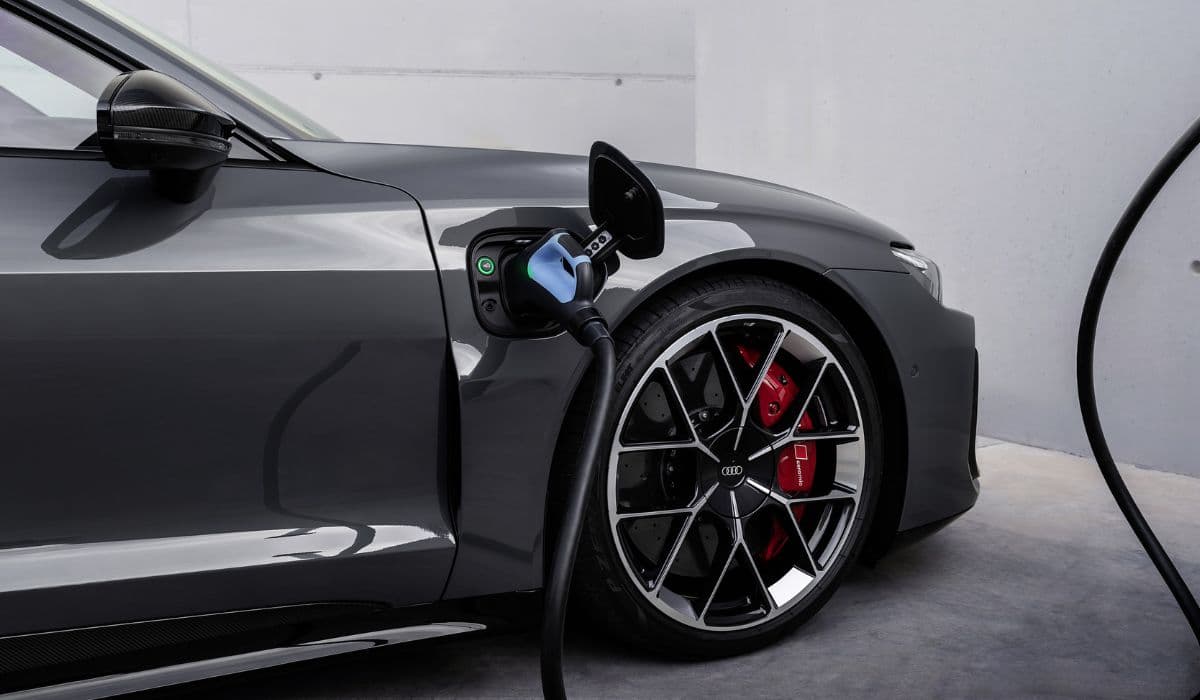
Charging strategy significantly influences battery longevity in Audi electric vehicles. While convenient fast chargers deliver quick top-ups, repeated high-power sessions can contribute to cumulative stress.
Best practices include:
Prioritizing AC home charging for daily needs to minimize heat cycles.
Using DC fast charging selectively for longer trips rather than routine use.
Allowing the battery to cool after aggressive driving before plugging in.
Audi's onboard systems often precondition the battery for optimal temperatures during charging, improving efficiency and protecting cells. Over-the-air updates further refine these processes, adapting to emerging data from the fleet.
Advancements in Newer Battery Technologies
Recent Audi electric models showcase substantial progress in high-voltage battery design. Platforms like the Premium Platform Electric introduce simplified structures with fewer connections, reduced weight, and better integration.
Key innovations include:
Higher energy density through advanced cell formats and stacking techniques.
Modular configurations allowing flexible adaptation across vehicle sizes.
Enhanced thermal pathways for superior heat dissipation during peak demands.
These developments address earlier limitations, offering extended range, quicker replenishment, and greater durability. Vertical integration in production also enables tighter quality control from module assembly onward.
Owner Experiences and Community Insights
Feedback from Audi EV communities highlights a mix of perspectives. Some owners express frustration with interim restrictions during recall processes, such as capped charging levels impacting usability. Others praise responsive dealer support and noticeable improvements post-remedy.
Common themes emerge:
Proactive monitoring reduces anxiety about potential issues.
Software enhancements often restore confidence quickly.
Newer generations inspire optimism for long-term ownership.
Audi continues refining battery systems through data analysis, supplier collaboration, and iterative design, aiming to elevate reliability across the lineup.
Future Outlook for Audi Battery Reliability
As electrification accelerates, Audi invests heavily in next-generation solutions. In-house expertise in module production, combined with partnerships for cutting-edge cells, positions the brand to tackle historical concerns head-on.
Emerging technologies promise even greater resilience against degradation, faster recovery from thermal events, and seamless integration with sustainable energy ecosystems. Owners benefit from extended warranties covering high-voltage components, providing peace of mind for years of use.
By addressing challenges transparently and innovating continuously, Audi strengthens its commitment to premium electric mobility that balances performance, safety, and longevity.