
Audi OTA updates fix some issues but introduce new bugs
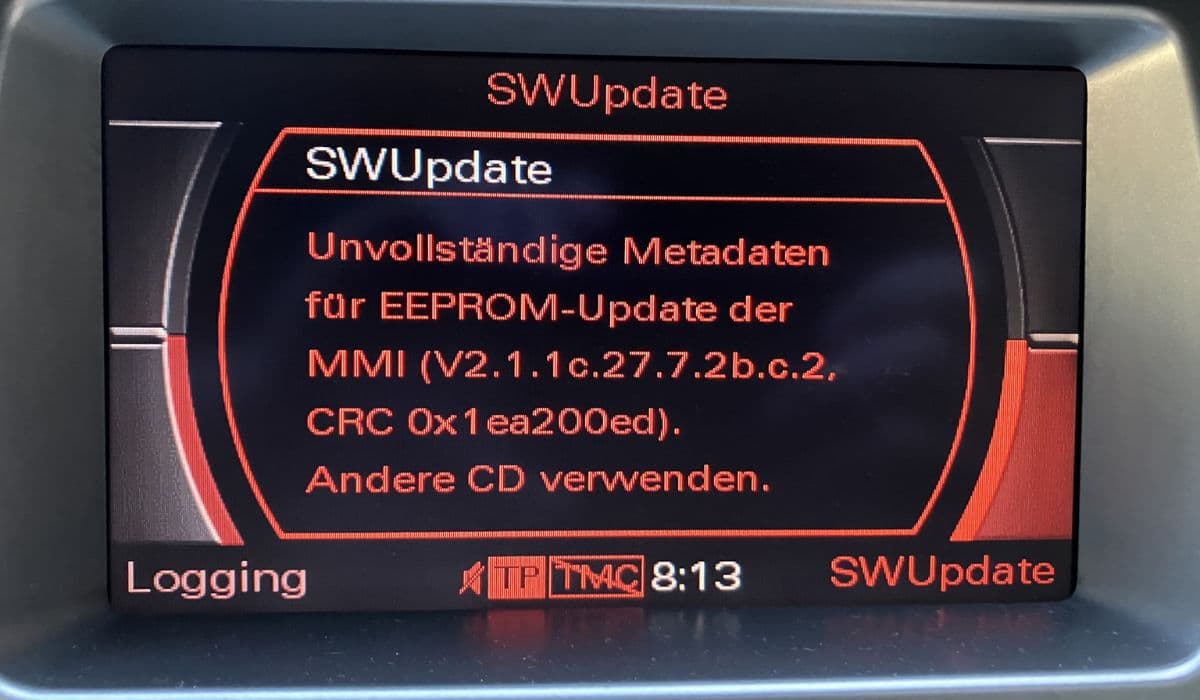
Over-the-air (OTA) updates have transformed how modern vehicles evolve after leaving the factory. For Audi owners, particularly those driving electric models like the e-tron series and newer platforms, these wireless software deliveries promise quick resolutions to nagging problems without a trip to the dealer. In reality, the experience often proves more complicated. While many updates successfully address specific glitches, they frequently unleash fresh issues that disrupt daily driving, infotainment reliability, and even core vehicle functions.
The Promise of Seamless OTA Improvements
Audi has progressively rolled out OTA capabilities across its lineup, starting with limited features like map refreshes and expanding to broader system patches in recent electric vehicles. These updates target common complaints that owners report through forums, apps, and service visits.
Common fixes delivered via OTA include:
Enhanced charging reliability and availability
Smoother integration of voice assistants and navigation
Better connectivity for mobile phones and app features
Optimizations to occupant detection and audio output
Such improvements sound ideal on paper. A software patch arrives overnight, installs during a convenient window, and the vehicle emerges more polished. Owners appreciate avoiding service appointments, especially when earlier models required lengthy dealer visits for similar changes.
Recurring Bugs That OTA Updates Aim to Eliminate
Before diving into new problems, it helps to understand the persistent issues prompting these updates. Audi's infotainment (MMI) systems, virtual cockpits, and connected services have historically suffered from inconsistencies.
Frequent pre-update complaints involve:
Blank or frozen screens during operation
Loss of saved favorites (radio stations, navigation destinations)
Intermittent connectivity drops affecting the myAudi app
Glitches in digital key functionality or remote unlocking
Inaccurate range estimates or charging behavior in electric models
These annoyances accumulate over time, eroding the premium experience that Audi promotes. OTA patches often resolve several of these simultaneously, giving owners a brief sense of victory when the car suddenly behaves more predictably.
When Fixes Create Fresh Headaches
The double-edged nature of software updates becomes evident soon after installation. Many owners report that resolving one set of problems uncovers or creates others, sometimes more frustrating than the originals.
Reported new issues after OTA deployments include:
Resetting of personalized settings like mirror positions, seat memory, or climate preferences
Temporary loss of key fob recognition or app connectivity requiring manual resets
Increased occurrences of limp mode or reduced performance warnings
New glitches in speech recognition or assistant responsiveness
Problems with media playback, Bluetooth pairing stability, or screen content refresh
In some cases, updates interfere with hardware-related systems. Voltage management in electric vehicles has occasionally been disrupted, leading to starting difficulties or adapter conflicts that demand additional service intervention. Connectivity features that worked flawlessly before can suddenly time out or fail entirely.
Why New Bugs Keep Appearing
Software in modern vehicles is incredibly complex, with millions of lines of code controlling everything from drivetrain behavior to user interfaces. Audi's systems integrate components from multiple suppliers, and thorough testing across all configurations proves challenging.
Several factors contribute to post-update regressions:
Unintended interactions between patched modules and unchanged ones
Variations in hardware across production batches or optional packages
Incomplete simulation of real-world usage scenarios during development
Rushed rollouts to address urgent complaints without exhaustive regression testing
Owners familiar with tech products recognize this pattern: a patch fixes a security flaw but breaks compatibility elsewhere. In a car, however, the stakes feel higher because glitches affect safety perceptions, convenience, and overall satisfaction.
Owner Experiences and Workarounds
Community discussions reveal a mix of resignation and ingenuity. Some drivers delay updates until multiple reports confirm stability, while others accept occasional quirks as the price of continuous improvement.
Practical steps that help mitigate new issues:
Document settings before updating to speed up reconfiguration
Restart the MMI system fully after installation
Re-pair phones and reauthorize app connections promptly
Monitor forums for similar experiences before proceeding with optional patches
Despite frustrations, many owners still value the ability to receive fixes remotely. The alternative—scheduling dealer visits for every minor tweak—feels increasingly outdated.
The Road Ahead for Audi Software
As Audi refines its electric vehicle platforms and expands OTA infrastructure, the balance between fixing and breaking improves gradually. Newer architectures show promise for more modular updates that limit side effects. Yet the fundamental challenge remains: delivering polished software in a highly variable environment.
Owners continue navigating this landscape, weighing the benefits of patched improvements against the risk of unexpected disruptions. The OTA era offers exciting potential, but it demands patience as manufacturers perfect the delicate art of remote evolution.