Audi Q5 luxurious interior yet check engine light frequent

The Audi Q5 stands as a benchmark in the compact luxury SUV segment, blending sophisticated design with exceptional driving dynamics. Its cabin consistently earns praise for delivering an upscale experience that rivals higher-end vehicles. Soft-touch surfaces, premium leather upholstery, and meticulous attention to detail create an environment where every journey feels refined and comfortable.
Yet many owners encounter an unexpected contrast: despite the opulent surroundings, the check engine light appears with surprising regularity. This warning indicator, often dismissed at first as a minor glitch, can disrupt the otherwise serene ownership experience. Understanding this dichotomy reveals much about the vehicle's strengths and the real-world challenges that accompany its advanced engineering.
The Hallmarks of Audi Q5 Interior Excellence
Step inside the Q5, and the luxury unfolds immediately. High-quality materials dominate the space, from supple leather seats that provide excellent support during long drives to elegant wood or aluminum trim accents that add warmth and sophistication.
Seating Comfort — Front seats feature generous cushioning, often with heating as standard and ventilation available on higher specifications. Rear passengers enjoy ample legroom and adjustable reclining options on the split-folding bench.
Ambient Atmosphere — A panoramic sunroof bathes the interior in natural light, while customizable LED ambient lighting allows drivers to set the mood with subtle color choices.
Ergonomic Layout — Controls fall naturally to hand, with a clean dashboard design that prioritizes driver focus. The infotainment interface integrates seamlessly, offering intuitive access to navigation, media, and vehicle settings.
Quiet Refinement — Superior sound insulation keeps road and wind noise at bay, allowing conversations or music to dominate the cabin without strain.
These elements combine to create a sanctuary on wheels, where occupants feel insulated from the outside world. The Q5's interior doesn't just transport people—it elevates the entire driving ritual.
Why the Check Engine Light Appears So Often
The check engine light, or malfunction indicator lamp (MIL), illuminates when the vehicle's onboard diagnostics detect an irregularity in the engine or emissions systems. In the Q5, this warning tends to recur more frequently than in some competing luxury SUVs, leaving owners puzzled given the brand's reputation for precision engineering.
Several factors contribute to this pattern. Modern turbocharged engines, while delivering impressive power and efficiency, rely on complex sensor networks and emissions controls that monitor every combustion cycle. Even slight deviations can trigger codes.
Common culprits include:
Oxygen Sensor Malfunctions — These sensors monitor exhaust gases to optimize the air-fuel mixture. When they degrade, they send inaccurate data, prompting the light and potentially reducing fuel economy.
Catalytic Converter Issues — Efficiency drops over time, especially with frequent short trips that prevent full warm-up cycles, leading to incomplete reactions and fault codes.
Loose or Faulty Gas Cap — A surprisingly simple cause; an improperly sealed cap allows evaporative emissions to escape, triggering the system.
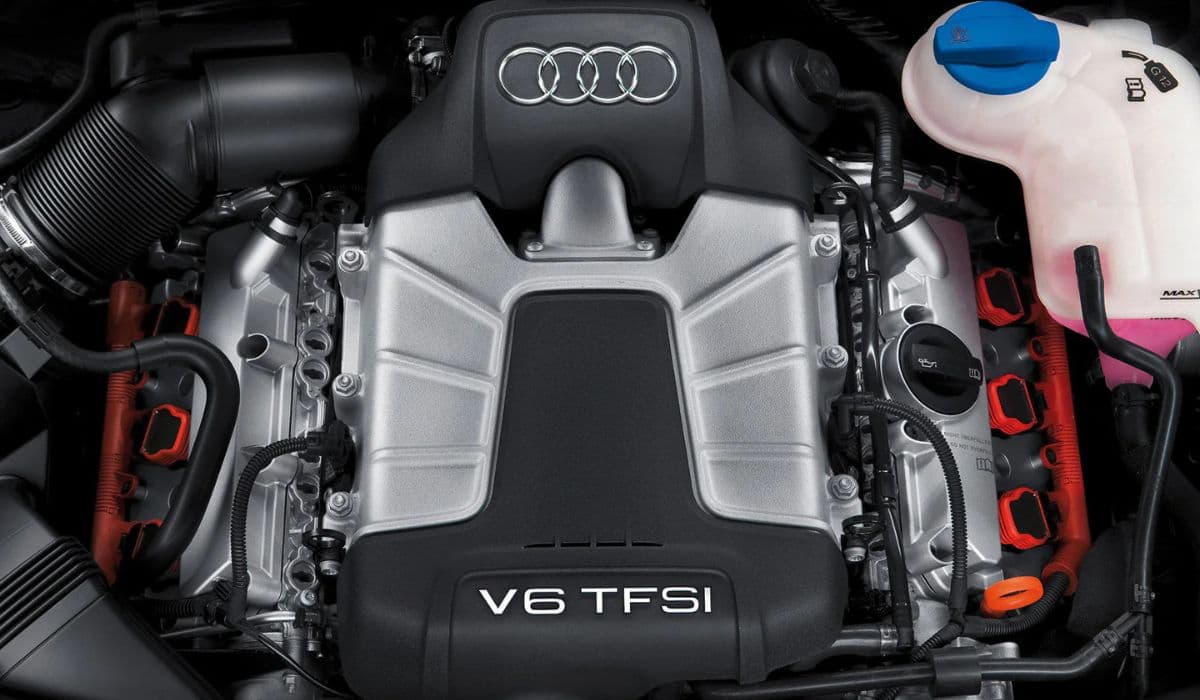
Carbon Buildup in Direct-Injection Engines — The Q5's turbo engines use direct injection, which can lead to deposits on intake valves. This restricts airflow, causes misfires, and sets off codes over time.
PCV Valve or Intake Leaks — Vacuum leaks from cracked hoses or a failing positive crankcase ventilation system introduce unmetered air, confusing the engine management.
EGR System Problems — Exhaust gas recirculation components can stick or fail, affecting emissions and performance.
A flashing light signals immediate concern, such as severe misfires that risk catalytic converter damage, while a steady glow often points to less urgent but persistent issues.
Diagnosing and Addressing Recurring Warnings
When the light appears, resist the urge to ignore it or disconnect the battery in hopes of a reset. Modern systems store diagnostic trouble codes (DTCs) that provide crucial clues.
Start with basics:
Inspect and tighten the fuel cap after refueling.
Observe for accompanying symptoms like rough idling, reduced power, or unusual exhaust odors.
Use an OBD-II scanner to retrieve codes—many affordable tools reveal specifics like P0420 (catalyst efficiency) or P0171 (lean condition).
Professional diagnosis often uncovers deeper issues:
Smoke tests detect vacuum leaks invisible to the eye.
Walnut blasting removes carbon buildup without disassembly in severe cases.
Sensor replacements restore accurate readings when components age.
Regular maintenance plays a preventive role. Adhering to service intervals, using high-quality fuel, and addressing minor issues early minimizes recurrences.
Balancing Luxury with Real-World Ownership
The Audi Q5 delivers a cabin that feels genuinely premium, with thoughtful details that enhance daily driving pleasure. Its interior remains one of the strongest arguments for choosing this model over rivals.
At the same time, the frequent check engine light serves as a reminder that luxury vehicles with sophisticated powertrains demand proactive care. The advanced technology that enables smooth performance and low emissions also introduces more potential points of monitoring and failure.
Owners who embrace vigilant maintenance often find the rewards outweigh the occasional inconvenience. The Q5 continues to offer a compelling package: a refuge of elegance paired with engaging dynamics, provided the warning signs receive timely attention.