Audi suspension wear expensive in luxury models
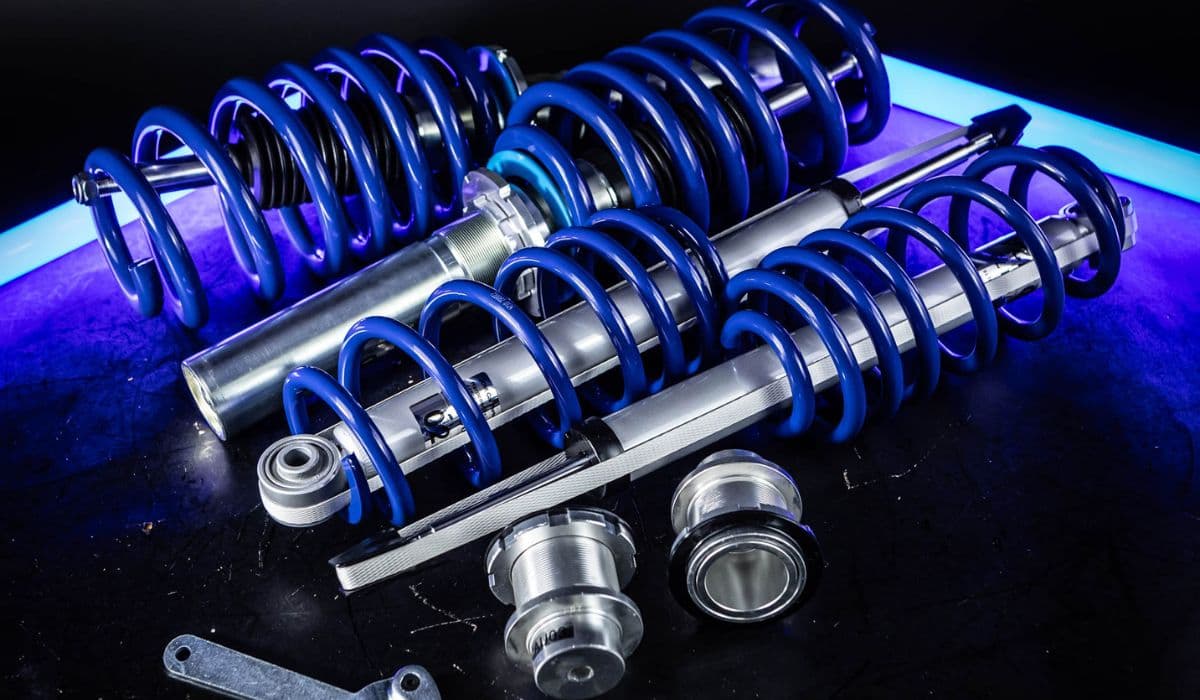
Audi luxury vehicles stand out for their sophisticated engineering, delivering exceptional ride comfort, precise handling, and adaptive capabilities that elevate the driving experience. At the heart of many flagship and premium SUVs lies an advanced suspension system—often adaptive air suspension—that sets these cars apart from mainstream alternatives. However, as these systems accumulate mileage and face real-world conditions, wear becomes inevitable, and the associated repair expenses frequently surprise owners.
The combination of cutting-edge technology, premium materials, and intricate integration makes suspension maintenance in Audi's high-end lineup notably demanding on the wallet compared to simpler coil-spring setups or even some competing luxury brands.
The Engineering Behind Audi's Luxury Suspension Systems
Audi equips many of its luxury-oriented models with adaptive air suspension, a system that replaces traditional metal springs with air-filled bellows (air springs). This setup allows real-time adjustments to ride height, damping, and stiffness based on road conditions, speed, load, and driver-selected modes.
Key components include:
Air springs — Flexible rubber-and-fabric chambers that support the vehicle's weight and absorb impacts.
Compressor and dryer unit — Pumps air into the system and removes moisture to prevent internal corrosion.
Valves and distribution blocks — Control airflow to individual corners for leveling and adaptation.
Height sensors and control module — Monitor ride height and send data to the electronic brain for precise adjustments.
Adaptive dampers — In many setups, electronically controlled shocks that vary firmness instantly.
This level of integration creates a remarkably smooth and composed ride, especially on highways or uneven surfaces, but it also introduces multiple points where wear or failure can occur.
Common Wear Patterns and Failure Points
Over time, suspension components in luxury Audis face accelerated degradation due to the vehicle's weight, performance demands, and exposure to elements. Several issues appear repeatedly across flagship sedans and large SUVs.
Air springs develop microscopic cracks or punctures from road debris, temperature fluctuations, or material fatigue, leading to slow leaks. Compressors overwork to compensate, generating excessive heat and eventual burnout. Valve blocks can stick or leak due to contaminated air or internal seal degradation. Height sensors corrode or misalign after prolonged exposure to moisture, salt, or minor impacts. Electronic control modules occasionally suffer from software glitches or wiring harness issues, particularly in areas prone to water ingress.
Early warning signs often include:
Uneven ride height, with one corner sitting noticeably lower, especially after parking overnight.
Dashboard warnings like "suspension malfunction" or related icons.
Hissing sounds near the wheels or from under the vehicle when the system adjusts.
Compressor running longer than usual or continuously after engine start.
Reduced adaptability, where the car feels harsher over bumps or fails to level itself properly.
Abnormal noises such as knocking or groaning during turns or acceleration.
These symptoms rarely resolve themselves and tend to cascade—if one air spring leaks severely, the compressor strains, risking total failure and potential damage to adjacent parts.
Why Repairs Escalate So Dramatically in Luxury Segments
Several factors converge to drive up suspension-related expenses in Audi's premium lineup far beyond basic coil-over replacements.
First, the sheer complexity demands specialized diagnostic equipment and trained technicians familiar with Audi's proprietary software and fault codes. Generic scan tools often miss nuanced issues, requiring dealership-level access or equivalent independent expertise.
Second, genuine components carry a premium due to precise tolerances, advanced materials, and rigorous testing. Aftermarket alternatives exist but may compromise longevity or performance in a vehicle designed around original-spec parts.
Third, labor intensity plays a major role. Accessing air suspension elements frequently involves removing subframes, underbody panels, or wheel assemblies, while recalibration after replacement ensures proper function and prevents new faults.
Finally, the interconnected nature means a single failure often triggers secondary problems. A leaking air spring forces the compressor to overwork, shortening its lifespan. Ignoring a faulty sensor can lead to improper leveling, uneven tire wear, or stress on dampers.
Compared to coil-spring suspensions found in many non-luxury vehicles—or even some competitors—the air-based systems inherently involve more components and higher engineering overhead.
Proactive Strategies to Extend Suspension Longevity
Owners can significantly delay major interventions through consistent care.
Regular inspections during routine service catch early leaks or unusual compressor behavior. Keeping the underbody clean prevents salt and debris buildup that accelerates corrosion on sensors and lines. Avoiding overloading preserves air spring integrity, especially during frequent heavy use. Monitoring for dashboard alerts and addressing them promptly prevents escalation. Periodic system checks, including leak tests with soapy water on lines and springs, reveal minor issues before they become critical.
Driving habits matter too—smooth acceleration, avoiding deep potholes when possible, and using appropriate modes for road conditions reduce stress on the entire setup.
While no luxury suspension lasts forever without attention, these practices often push reliable operation well beyond typical expectations.