Audi vs BMW/Mercedes reliability gap in recent surveys
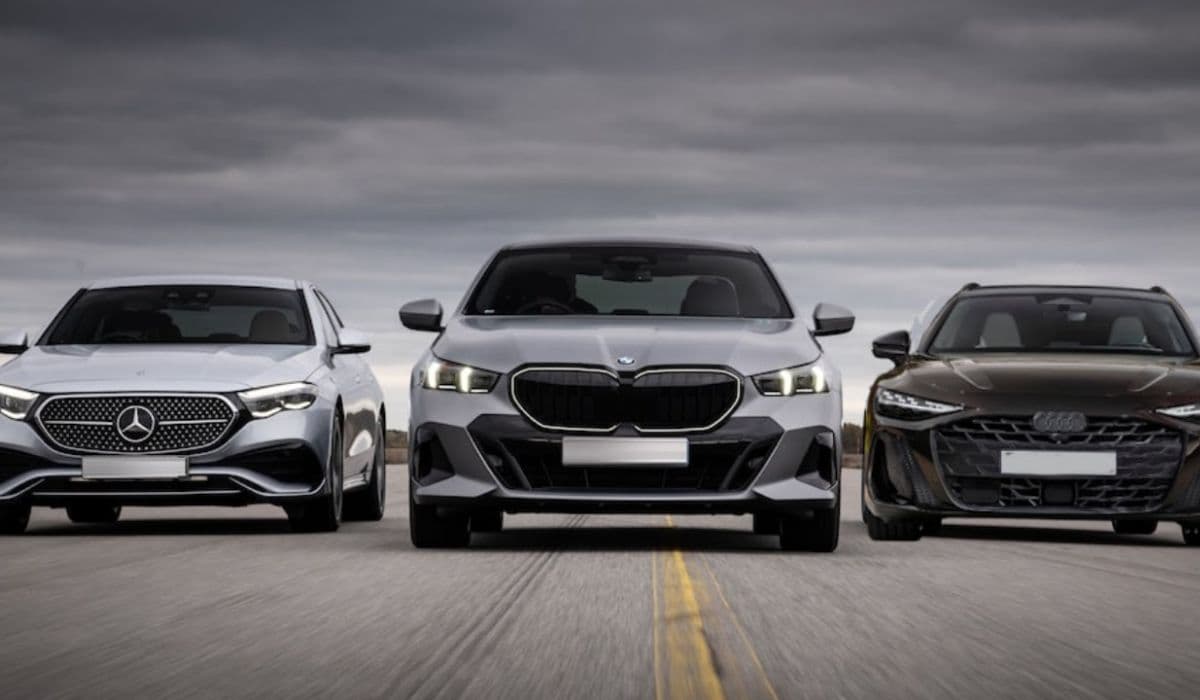
The German luxury trio — Audi, BMW, and Mercedes-Benz — continues to dominate premium segments with stunning design, advanced technology, and exhilarating performance. Yet when owners discuss long-term ownership, one question surfaces repeatedly: why does Audi often trail behind BMW and Mercedes in dependability rankings? Recent major surveys reveal a consistent pattern where BMW leads, Mercedes sits comfortably in the middle, and Audi faces the largest number of reported issues. This gap isn't about dramatic failures but rather subtle differences in how each brand handles complexity, electronics, and real-world durability.
Understanding Modern Reliability Surveys
Reliability data today comes primarily from large-scale owner feedback rather than laboratory tests. Key organizations poll thousands of vehicle owners about problems encountered over several years of ownership. The metric most commonly used counts issues per 100 vehicles (PP100), where lower numbers indicate better performance.
J.D. Power's Vehicle Dependability Study focuses on three-year-old vehicles and captures everyday frustrations from infotainment glitches to mechanical concerns.
Consumer Reports aggregates predicted and actual reliability scores based on extensive member surveys, emphasizing trouble spots across multiple systems.
Other sources like What Car? in Europe track fault rates and repair times, adding regional perspective.
These studies show that luxury vehicles face higher problem rates overall due to dense technology integration, yet the spread among the three Germans remains notable.
The Latest Data Snapshot: Where Each Brand Stands
Recent J.D. Power findings highlight a clear hierarchy among the trio. BMW records the fewest owner-reported problems, followed by Mercedes-Benz, with Audi showing the highest count.
BMW achieves a strong position with significantly fewer issues than the segment average in premium categories.
Mercedes-Benz falls roughly midway, reflecting solid engineering balanced against added features.
Audi consistently logs the most problems per 100 vehicles, creating the widest reliability gap versus BMW.
Consumer Reports echoes aspects of this trend in recent brand evaluations. While European luxury marques generally sit outside the absolute top tier, BMW frequently emerges as the strongest performer among them. In some iterations, Audi and BMW score closely in certain categories, but Mercedes occasionally edges ahead in build quality assessments. What Car? surveys place BMW noticeably higher than both rivals, which share similar lower positions.
This pattern persists across multiple model years, suggesting structural rather than temporary factors at play.
Key Factors Behind Audi's Higher Problem Reports
Several recurring themes explain why Audi often appears at a disadvantage in these metrics.
Electronics and Infotainment Complexity — Audi pushes aggressive innovation in digital interfaces and driver-assistance suites. While impressive initially, these systems generate more glitches, connectivity failures, and software-related complaints over time.
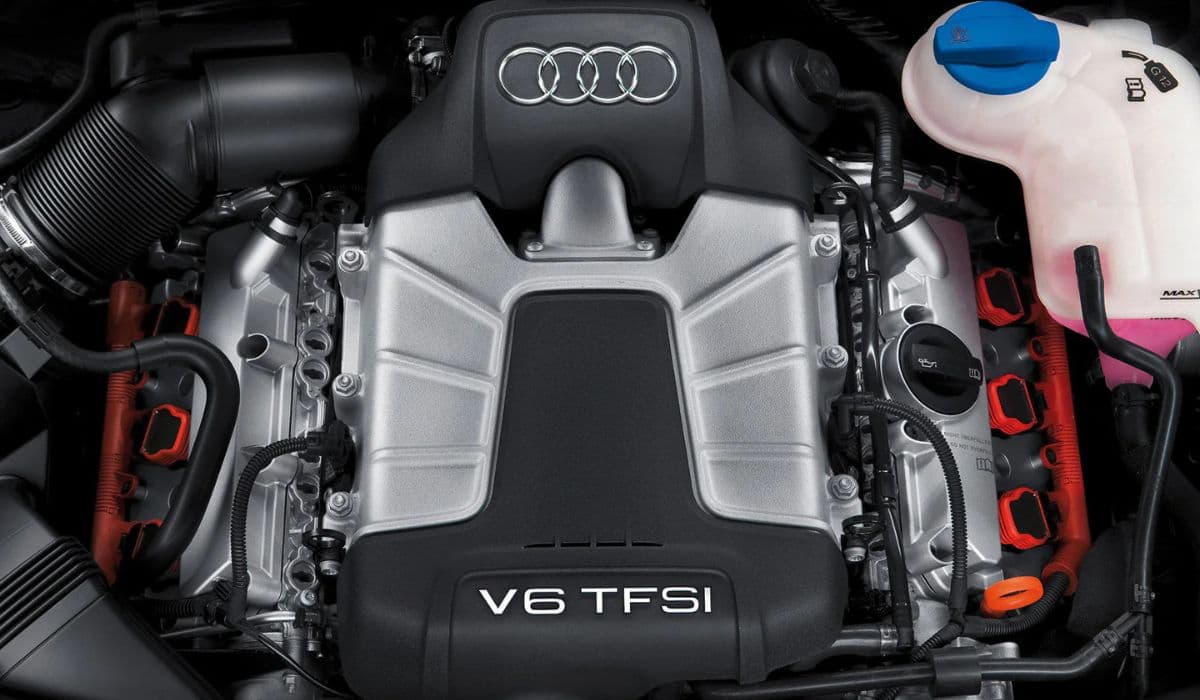
Powertrain Nuances — Turbocharged engines deliver thrilling response but sometimes suffer from carbon buildup or ancillary component wear sooner than expected. Quattro all-wheel-drive excellence adds robustness in handling but introduces extra driveline elements prone to issues.
Feature Density — Higher standard equipment levels mean more sensors, modules, and wiring that can potentially fail, amplifying reported problems even if critical failures remain rare.
In contrast, BMW often balances sporty calibration with slightly more conservative tech implementation in core systems, leading to fewer disruptions. Mercedes-Benz prioritizes comfort-oriented refinement, where durable mechanical foundations offset some electronic intricacy.
Common trouble areas across all three include:
Advanced driver aids needing recalibration
Touch-sensitive controls developing responsiveness issues
Hybrid or mild-hybrid components adding minor faults
Interior materials showing unexpected wear in high-contact zones
The gap widens most in electronics-heavy categories rather than traditional mechanical domains.
Model-Specific Variations That Challenge Brand Averages
Brand-level scores mask significant model differences. Certain entries from each manufacturer outperform expectations, while others drag averages down.
BMW's inline-six engines and modular platforms frequently earn praise for longevity when maintained properly. Mercedes mid-size sedans and SUVs often demonstrate robust chassis and suspension behavior over high mileage. Audi's compact and mid-size offerings shine in initial quality but encounter more cumulative complaints as electronics age.
Owners who select simpler configurations — fewer optional packages or naturally aspirated variants where available — typically report smoother experiences regardless of badge.
Beyond the Numbers: Real-World Ownership Dynamics
Reliability perceptions extend past raw statistics. Service accessibility, parts availability, and warranty execution influence satisfaction.
BMW owners often highlight responsive dealer networks and structured maintenance programs that catch issues early. Mercedes-Benz benefits from a reputation for durable core components, even if repairs prove involved. Audi excels in warranty coverage for many repairs but faces criticism when complex diagnostics extend downtime.
Driving style, climate, and maintenance habits amplify or minimize differences. Enthusiastic use stresses components more, while diligent servicing narrows gaps considerably.
Why the Gap Persists — and What It Means for Buyers
The reliability divide stems largely from strategic priorities. BMW emphasizes driver engagement with systems engineered for resilience under dynamic loads. Mercedes focuses on serene, isolated experiences supported by proven architectures. Audi leans hardest into technological leadership, accepting short-term trade-offs for forward-looking features.
For those prioritizing minimal interruptions, the data tilts toward BMW as the current frontrunner. Mercedes offers a compelling middle ground for comfort seekers. Audi continues attracting buyers who value distinctive styling, quattro grip, and cabin innovation — provided they accept potentially higher odds of minor annoyances.
Ultimately, no brand remains immune to issues in today's complex luxury landscape. The surveys spotlight tendencies rather than absolutes, reminding buyers that individual models, configurations, and care routines often matter more than the emblem on the grille.