2025 BMW X3 infotainment and climate control complaints
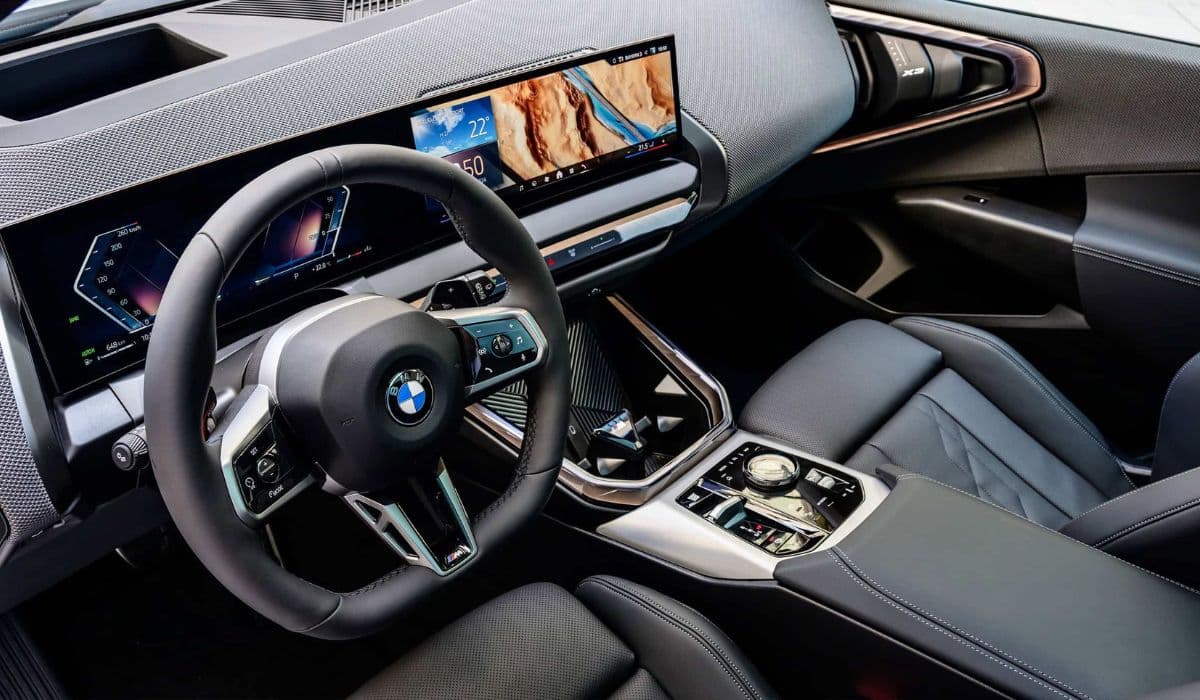
The redesigned BMW X3 introduced a bold shift toward a high-tech, touchscreen-dominated interior powered by the latest iDrive system. While many appreciate the modern aesthetic and enhanced digital capabilities, a significant number of owners and early reviewers have voiced frustration with the infotainment interface and integrated climate controls. These complaints often center on usability, distraction potential, and departure from BMW's traditionally driver-friendly ergonomics.
The Shift to Touchscreen-Centric iDrive
BMW's adoption of Operating System 9 brings a curved display setup with a large central touchscreen handling most vehicle functions. The physical iDrive controller remains, which many see as a saving grace, but the heavy reliance on touch inputs has sparked debate.
Owners frequently report these key issues:
Learning curve frustration — Long-time BMW drivers accustomed to quick physical button access find the new menu structure counterintuitive at first.
Touchscreen responsiveness inconsistencies — Some experience occasional lag when navigating between apps or making quick adjustments.
Fingerprint magnet effect — The glossy screen attracts smudges rapidly, requiring frequent cleaning and detracting from the premium feel.
Menu depth for common tasks — Functions that once required a single press now demand multiple taps or swipes, especially during motion.
Critics argue this design prioritizes visual minimalism over practical usability, creating a disconnect for drivers who value efficiency behind the wheel.
Climate Control Integration: Convenience or Compromise?
Perhaps the most polarizing change involves moving primary climate functions to the touchscreen. Temperature adjustment remains visible at the bottom of the display, but other settings — fan speed, vent direction, seat heating, and steering wheel warmth — require accessing a dedicated menu.
This approach draws sharp criticism from many users:
Distraction while driving — Reaching for and navigating the climate submenu demands more attention than twisting a physical dial or pressing a button.
Limited permanent visibility — Only temperature stays constantly accessible; everything else hides behind extra steps.
Haptic slider dissatisfaction — On certain door panels, vent direction uses a flimsy-feeling haptic slider that feels less precise and premium compared to previous generations.
Sync and automation quirks — Some report unexpected behavior when switching between driver and passenger settings or when automatic mode behaves unpredictably.
Veteran BMW owners, in particular, express disappointment that the brand moved away from tactile, glance-free controls that defined earlier X3 models.
Common Infotainment Reliability Concerns
Beyond layout complaints, some owners encounter software-related glitches that affect daily use. These include:
Occasional system freezes — Requiring a hard reboot to restore full functionality, sometimes affecting remote app connectivity or camera views.
Voice command inconsistencies — While improved in theory, real-world performance varies, with commands occasionally misunderstood or ignored.
Navigation and display quirks — Rare reports of delayed map loading or interface elements that feel less polished than competitors.
Reset frequency — A few early adopters note needing monthly resets to maintain proper operation of connected features.
These issues appear more prevalent in initial production units, suggesting potential for improvement through over-the-air updates.
Mixed Owner Perspectives: Adaptation vs. Persistent Frustration
Feedback varies widely across the community. Some drivers adapt quickly and praise the sharp graphics, smartphone-like fluidity, and expanded app support. They appreciate voice activation for many adjustments and find the retained physical controller sufficient for most tasks.
Others remain firmly critical, describing the experience as a step backward from previous generations. Long-term BMW enthusiasts often cite the loss of intuitive, button-based operation as a significant drawback, especially when compared to rivals that maintain more physical controls.
The debate highlights a broader industry tension: balancing cutting-edge technology with the practical demands of driving. For many, the new X3's digital focus feels like a bold experiment that hasn't fully landed for everyday usability.
Potential Paths Forward for Owners
BMW continues refining its software through updates, and many owners report gradual improvements in responsiveness and stability. Those struggling with the system often find relief by:
Maximizing voice commands for climate and navigation
Memorizing key menu shortcuts
Using the physical iDrive controller more heavily
Keeping the screen clean with a microfiber cloth
Despite the criticisms, the underlying hardware remains powerful, and future software enhancements could address many of the current pain points.