2025 BMW X3 infotainment and climate control complaints
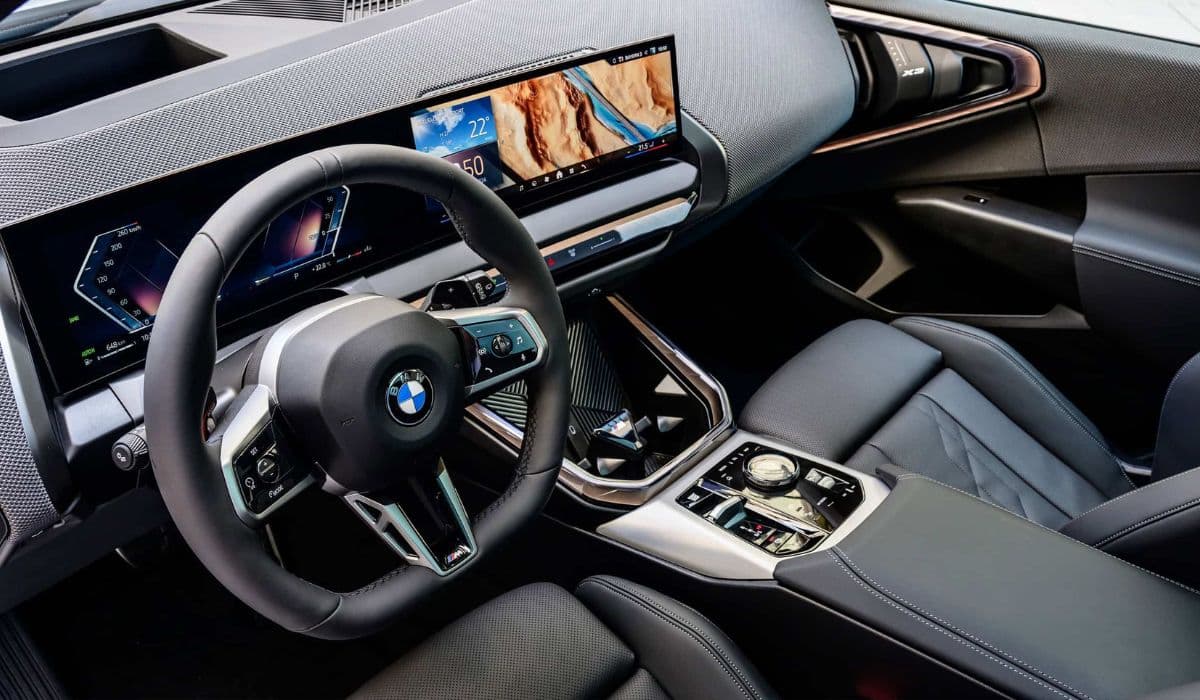
The 2025 BMW X3 introduces a sleek, curved display that dominates the dashboard, running on the latest iDrive 9 operating system. While this setup promises seamless integration of navigation, media, and vehicle settings, many owners report significant hurdles in everyday use. One prevalent issue involves the system's responsiveness. Drivers frequently encounter delays when switching between menus or activating features, which can disrupt the flow of operation during commutes. For instance, attempting to adjust audio settings or pull up maps often results in a brief lag, where the screen appears to freeze momentarily before responding. This isn't just a minor annoyance; it stems from the software's heavy reliance on cloud connectivity and real-time data processing, which can falter in areas with spotty signal strength.
Moreover, the integration of third-party apps like Apple CarPlay and Android Auto has drawn criticism for inconsistency. Users describe scenarios where CarPlay fails to load properly upon startup, requiring multiple attempts to connect smartphones. In some cases, the system drops the connection mid-drive, forcing a restart that involves holding down the volume knob for an extended period—a workaround that's become all too familiar in owner forums. These glitches extend to profile loading, where personalized settings for seats, mirrors, and climate preferences don't apply reliably, leading to repeated manual adjustments. The curved screen's size, while impressive for visibility, exacerbates these problems by making touch inputs less precise, especially for passengers trying to interact from the side.
Beyond basic navigation, the infotainment system's voice control feature falls short of expectations. Commands for simple tasks, such as changing radio stations or setting destinations, often misinterpret inputs, resulting in frustrating back-and-forth interactions. Owners note that the natural language processing isn't as advanced as in competitors, leading to commands being ignored or executed incorrectly. This is particularly evident in noisy environments, where background road noise interferes with microphone accuracy. Additionally, over-the-air updates intended to fix these issues sometimes introduce new bugs, such as unexpected reboots or frozen interfaces, prompting drivers to schedule dealer visits more frequently than anticipated.
Connectivity and Software Glitches in the Cabin
Delving deeper into the tech ecosystem of the 2025 X3, connectivity woes plague the infotainment suite. Bluetooth pairing, a staple for hands-free calls and music streaming, exhibits intermittent dropouts, with audio skipping or calls disconnecting without warning. This issue appears tied to the system's multitasking capabilities, where running navigation alongside media playback overloads the processor, causing hiccups. Satellite radio integration, like SiriusXM, also suffers from loading delays, where channels take several seconds to buffer, disrupting the listening experience.
Software reliability emerges as another sore point. Early adopters of the 2025 model report needing to perform hard reboots on the infotainment system monthly to clear accumulated glitches. Symptoms include unresponsive touchscreens, phantom notifications, and erratic behavior in the heads-up display. These reboots, while effective temporarily, highlight underlying instability in the OS 9 platform. In extreme cases, owners have experienced complete system blackouts, where the screen goes dark mid-drive, affecting not just entertainment but also critical displays like speed and fuel levels. Diagnostic scans at dealerships often reveal error codes related to software conflicts, but resolutions vary, with some requiring full module replacements.
The integration with BMW's ConnectedDrive app adds another layer of complexity. While it allows remote access to vehicle status and preconditioning, synchronization issues mean that changes made via the app don't always reflect in the car. For example, setting a navigation route on a phone might not transfer seamlessly, leading to redundant inputs. Privacy concerns also arise, as the system's data collection for features like traffic updates feels intrusive to some, with opt-out options buried deep in menus. Overall, these glitches paint a picture of a system that's ambitious but not fully polished, leaving drivers yearning for the simpler, more reliable setups of previous generations.
User Interface Frustrations with iDrive 9
The iDrive 9 interface in the 2025 BMW X3 aims for a minimalist aesthetic, but this comes at the cost of usability. Many functions that were once accessible via dedicated buttons are now nested within submenus, requiring multiple taps to reach. Adjusting equalizer settings or switching drive modes, for instance, involves navigating through layers of icons, which can be distracting on the road. The customizable widget layout helps somewhat, allowing users to prioritize frequently used apps, but initial setup is time-consuming and not intuitive for all.
Touch sensitivity issues compound these frustrations. The screen's glossy finish attracts fingerprints and glare, making it hard to read in bright sunlight, and inputs sometimes register inaccurately, especially with gloved hands in colder weather. Gesture controls, a carryover feature, remain hit-or-miss, with swipes and waves often ignored, leading owners to abandon them in favor of traditional touches. The absence of haptic feedback on many interactions means there's no tactile confirmation, which can lead to over-tapping and errors.
Furthermore, the system's learning curve is steep for non-tech-savvy drivers. Tutorials are available but buried in the settings, and the lack of physical knobs for volume or scrolling forces reliance on the touchscreen or steering wheel controls, which aren't always responsive. In owner discussions, this leads to a common sentiment: the interface prioritizes form over function, making routine tasks feel laborious compared to the more straightforward systems in rivals like the Audi Q5 or Mercedes GLC.
Climate Control Interface Drawbacks
Shifting focus to the climate control in the 2025 BMW X3, the move to a predominantly touchscreen-based system has sparked widespread discontent. Gone are the physical knobs and buttons of older models, replaced by digital sliders and icons on the main display. This design choice means adjusting temperature or fan speed requires taking eyes off the road to tap precisely, a safety hazard during highway driving. Owners report that the interface's small touch targets are prone to misinputs, especially when wearing gloves or in bumpy conditions.
The sync function, which mirrors settings across zones, is unreliable. It often deactivates unexpectedly when a passenger adjusts their side, requiring manual reactivation each time. Rear climate controls, while independent, depend on the front system being active, leading to confusion in multi-passenger scenarios. Ventilated seats and heated steering wheel activations also suffer from delays, with buttons on the screen responding sluggishly, sometimes taking up to a second to register—a far cry from the instant feedback of tactile switches.
Customization options exist, like setting automatic modes based on profiles, but these don't always persist after restarts. In humid climates, the auto-defog feature activates aggressively, overriding user preferences and blasting air unnecessarily. The lack of dedicated physical controls for quick changes, such as directing airflow, forces drivers into menus, prolonging simple adjustments and contributing to overall cabin discomfort.
HVAC Performance Issues Reported by Owners
Beyond interface woes, the HVAC system's core performance in the 2025 X3 draws complaints for inefficiency. Cooling problems are common, with air conditioning failing to deliver sufficient cold air even at maximum settings. This is attributed to potential refrigerant leaks or compressor inefficiencies, leading to warm cabins on hot days despite high fan speeds. Owners in warmer regions note that the system struggles to maintain consistent temperatures, cycling on and off erratically.
Heating performance fares no better, with inconsistent warmth distribution. Some report weak output from vents, particularly in rear seats, making winter drives uncomfortable for passengers. Noisy fans at higher speeds add to the irritation, creating a humming or rattling that detracts from the premium cabin experience. Electrical faults, such as faulty sensors or control modules, exacerbate these issues, triggering warning lights and necessitating service visits.
In diagnostic terms, common culprits include clogged filters or software calibration errors that misread cabin temperatures. While preconditioning via the app helps mitigate startup delays, it doesn't address runtime inefficiencies. Owners suggest regular maintenance, like refrigerant checks every 10,000 miles, but many feel the system underperforms compared to the outgoing model's more robust setup.
Ergonomics and Safety Concerns in Daily Use
Ergonomically, the 2025 X3's infotainment and climate controls raise safety flags. The touchscreen-centric design demands visual attention, increasing distraction risks. Studies on similar systems show that menu-diving for basic functions like climate adjustments can take drivers' eyes off the road for several seconds—time that's critical at high speeds. Voice commands offer an alternative, but their unreliability forces fallback to manual inputs, negating the benefit.
Placement of the curved display, while driver-oriented, can obstruct views for shorter individuals, and glare issues compound visibility problems. In terms of accessibility, the lack of redundant physical controls means that failures in the touchscreen cascade to essential functions, potentially leaving drivers without quick access to defrost or hazard lights in emergencies.
Daily usability suffers too, with owners adapting by using steering wheel shortcuts where possible, but these are limited. The overall setup favors tech enthusiasts over practical drivers, leading to fatigue on long trips from constant interface wrestling.
Potential Fixes and Workarounds from the Community
Community-driven solutions have emerged to address these complaints in the 2025 BMW X3. For infotainment glitches, regular over-the-air updates are recommended, though owners advise checking release notes for bug fixes. Customizing home screen widgets to surface key functions reduces menu navigation, and using wired connections for CarPlay minimizes wireless dropouts.
On the climate side, aftermarket accessories like clip-on physical knobs for screen overlays are gaining popularity, though they void warranties. Software resets via the diagnostic menu can clear temporary HVAC faults, and professional recalibrations at dealerships resolve sensor issues. Forums suggest monitoring refrigerant levels proactively and using cabin air filters rated for high efficiency to prevent clogs.
Long-term, BMW's feedback channels may lead to firmware improvements, but for now, these workarounds help owners mitigate the most pressing problems, turning a frustrating experience into a manageable one.