BMW 3 Series: Best handling but distracting controls
The BMW 3 Series has long been the benchmark for compact executive sedans, particularly when it comes to driving dynamics. Enthusiasts praise its near-perfect balance, precise steering, and ability to make everyday roads feel like a twisty racetrack. Yet, while the chassis and powertrain deliver exceptional performance, the infotainment and control interface often draw criticism for being overly complex and distracting. This duality defines the modern 3 Series experience—thrilling behind the wheel but occasionally frustrating in operation.
Unmatched Handling and Driving Feel
What sets the 3 Series apart from rivals is its extraordinary handling prowess. The rear-wheel-drive architecture, combined with a near 50:50 weight distribution, gives the car an innate agility that few competitors can match.
Razor-sharp steering response delivers immediate feedback from the front tires
Adaptive suspension options allow drivers to tailor firmness for comfort or sportiness
Powerful yet progressive brakes inspire confidence during spirited driving
Optional xDrive all-wheel-drive system maintains rear-drive character while adding traction
The chassis tuning prioritizes driver engagement above all else. Even in base models, the 3 Series communicates road surface changes clearly through the seat and steering wheel. When pushed hard on winding roads, the car rotates predictably, with minimal body roll and impressive grip levels. Electronic aids intervene smoothly, preserving the natural driving feel rather than overriding it completely.
Engine Options and Performance Balance
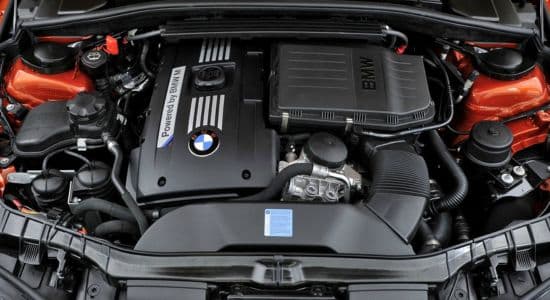
BMW continues to offer a range of turbocharged engines that complement the excellent chassis. The four-cylinder units provide strong low-end torque and refined delivery, while six-cylinder variants elevate performance to another level with silky smoothness and addictive power delivery.
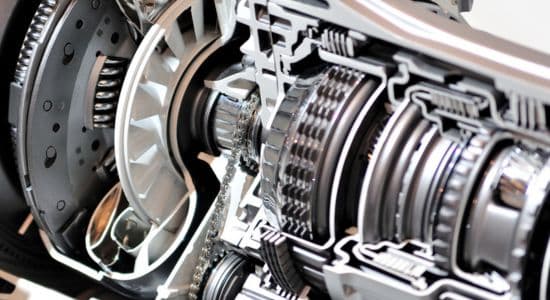
The transmission—whether the quick-shifting automatic or the available manual—works seamlessly with the engines. Gear changes feel intuitive, and the car always seems to be in the right ratio for the situation. Throttle response remains linear and predictable, allowing precise modulation whether merging onto highways or navigating tight corners.
Interior Design and Material Quality
Step inside the 3 Series, and you're greeted with a driver-focused cockpit that emphasizes quality materials and solid build construction. Sport seats offer excellent support during enthusiastic driving while remaining comfortable for long journeys.
Premium leather options with contrast stitching elevate the cabin ambiance
Metal and piano black accents provide a sophisticated touch
Ergonomic seating position places controls within easy reach
Ambient lighting creates a welcoming atmosphere at night
The overall interior layout prioritizes the driver, with controls angled toward the person behind the wheel. Build quality feels substantial, with tight panel gaps and damped operation of switches and buttons.
The Challenge of iDrive and Control Complexity
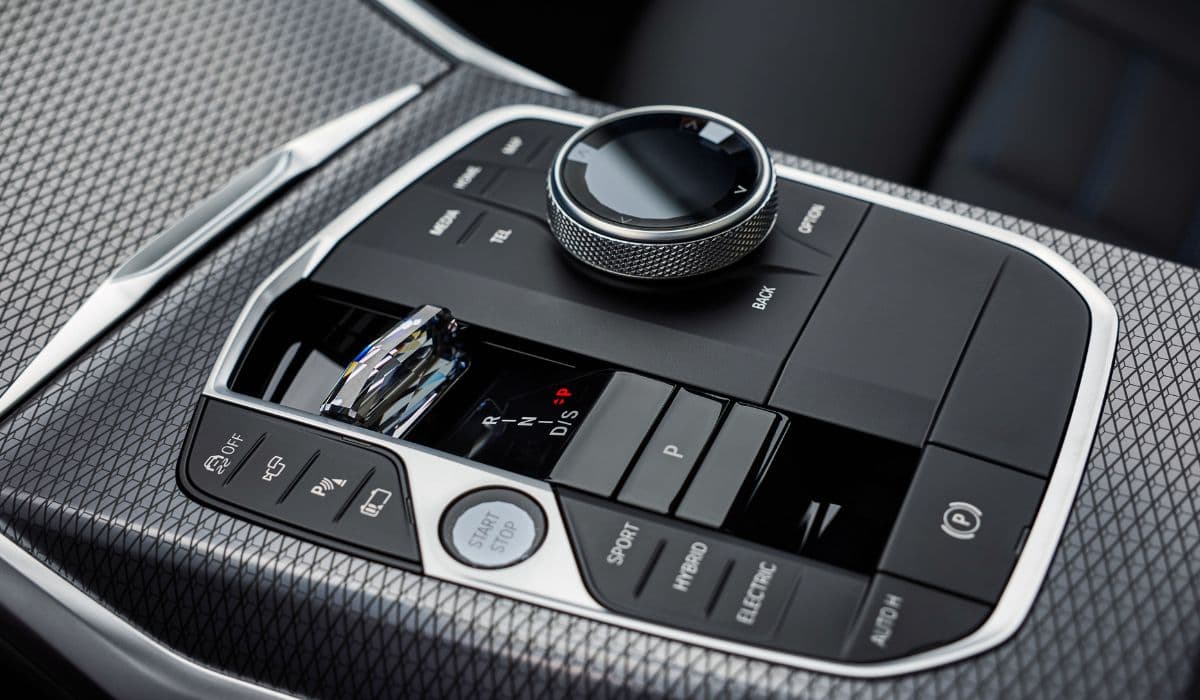
Despite the mechanical excellence, the control interface presents the most significant drawback. The latest iDrive system, while powerful, requires multiple steps for basic functions that competitors handle more intuitively.
Gesture control, intended as a futuristic feature, often registers unintended inputs during normal hand movements. Voice recognition, though improved, still struggles with complex commands or accents. The touchscreen responds quickly but forces drivers to look away from the road longer than traditional buttons would require.
Climate controls buried within menus rather than having dedicated physical switches add unnecessary complexity to simple adjustments. Even experienced owners report needing to navigate through several layers to change airflow direction or temperature settings while driving.
Safety Features and Driver Assistance
The 3 Series includes comprehensive safety equipment, though some advanced features contribute to the control complexity. Lane-keeping assistance can feel overly aggressive in certain situations, while adaptive cruise control requires careful calibration to behave naturally in traffic.
Forward collision warning and automatic emergency braking work effectively, providing peace of mind in daily commuting. Blind-spot monitoring uses clear indicators in the mirrors, and the optional head-up display presents crucial information without requiring drivers to look down.
Practicality and Everyday Usability
Beyond driving dynamics, the 3 Series serves well as a daily driver. Rear seat space accommodates adults comfortably for shorter trips, while the trunk offers competitive cargo capacity for the class.
Folding rear seats expand versatility for longer items
Numerous storage cubbies throughout the cabin
Quiet highway cruising thanks to excellent sound insulation
Efficient engine options balance performance with reasonable fuel consumption
The sedan body style provides better aerodynamics and slightly more trunk space than alternatives, making it ideal for those prioritizing driving feel without sacrificing practicality entirely.
Competition Comparison
Against key rivals, the 3 Series maintains its handling advantage while trading blows in other areas. Competitors often provide more intuitive control layouts and simpler interfaces, but none match the BMW's steering precision or chassis balance.
Some alternatives offer more rear passenger space or larger standard screens, yet they typically feel less connected to the driver. The 3 Series continues to appeal specifically to those who value engagement above absolute ease of use.
Ownership Experience
Long-term owners consistently report high satisfaction with the driving experience despite interface frustrations. The car's reliability has improved significantly, and service intervals remain reasonable for a performance-oriented vehicle.
The strong resale values reflect continued demand from enthusiasts who prioritize handling characteristics. Many owners accept the control complexity as the price for owning what remains the driver's choice in the segment.
Final Thoughts on the Balance
The BMW 3 Series delivers an unmatched combination of handling precision, performance, and driver engagement that justifies its legendary status. While the control interface presents genuine challenges that can distract from the driving experience, the core mechanical excellence shines through for those willing to adapt.
For buyers who live to drive and appreciate a car that rewards involvement, the 3 Series remains difficult to beat. The distracting controls represent a notable compromise, but one that many enthusiasts happily accept in exchange for the best handling dynamics in its class.