BMW 3 Series hybrid: Great mileage but trunk space complaints
The BMW 3 Series hybrid models represent one of the most balanced approaches to combining sporty driving dynamics with modern efficiency demands. Offering remarkable real-world fuel economy, these vehicles attract buyers who want premium feel without punishing fuel bills. Yet one topic appears consistently in owner forums, reviews, and conversations: the noticeably smaller trunk.
Why the Hybrid Efficiency Impresses So Much
The plug-in hybrid system in the 3 Series delivers results that frequently exceed expectations. Many owners regularly achieve consumption figures between 1.8–3.5 l/100 km in mixed driving when they can charge daily.
Several engineering elements work together to create this efficiency:
Powerful electric motor providing strong low-speed torque and silent operation
Intelligent energy management that seamlessly switches between power sources
Highly effective brake energy recuperation in city traffic
Optimized thermal management keeping battery and electronics at ideal temperatures
Aerodynamic package virtually identical to conventional models
The result feels almost magical: you glide through urban traffic in near silence while watching the fuel gauge barely move. For commuters with 40–90 km daily routines and regular charging access, the hybrid powertrain often transforms fuel from a significant expense into a minor detail.
The Trunk Space Reality Check
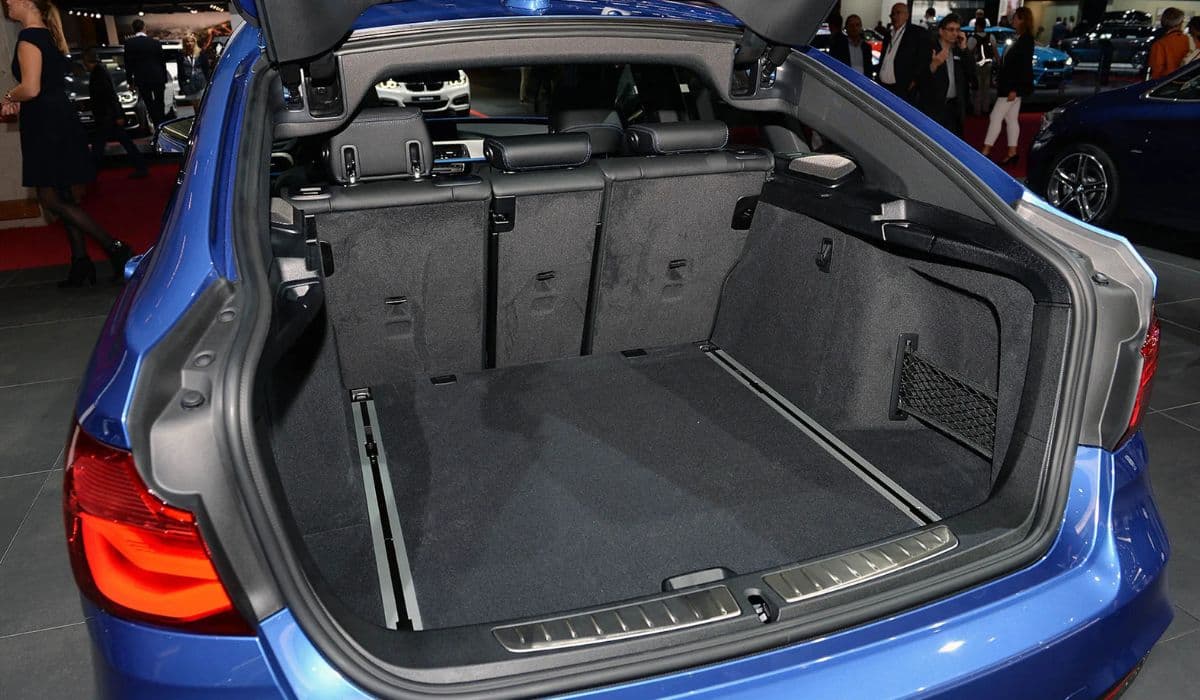
The price for this efficiency is paid in the luggage compartment. The high-voltage battery pack occupies space under the rear seat and extends into the trunk area, leading to a measurable reduction in capacity.
Most owners report these practical differences:
Loading height increased by several centimeters
Usable depth reduced by approximately 10–13 cm
Floor sitting noticeably higher than in combustion-only versions
Maximum volume dropping from ~480 liters to roughly 375–410 liters
While the width between wheel arches remains nearly unchanged (still accommodating most golf bags sideways), the overall shape of the space feels less flexible for large, rigid items.
How Different Owners Experience the Trunk Limitation
Real-world usability varies dramatically depending on lifestyle:
City singles and couples often report they “barely notice” the difference
Small families usually manage fine with compact strollers and weekly groceries
Golf players generally succeed with two bags — though packing requires more attention
Business users carrying large sample cases or demo equipment sometimes feel restricted
Long-distance travelers with multiple big suitcases often miss the extra depth most
Interestingly, many owners go through a short adaptation period of 3–6 weeks. After developing new packing strategies, the majority report that the trunk becomes “good enough” for 90% of their needs.
Smart Workarounds Used by Current Hybrid Owners
Resourceful 3 Series hybrid drivers have developed several practical solutions:
Slim, stackable fabric storage boxes that utilize vertical space better
Custom-fit trunk dividers preventing smaller items from sliding around
Preference for soft weekend bags instead of hard-shell suitcases
Occasional use of roof boxes for holiday or sports equipment trips
Taking full advantage of the versatile 40:20:40 split rear seat folding
Some particularly organized drivers claim they actually pack more efficiently now than they did with conventional models — simply because limited space forced better planning.
Where the Hybrid Still Delivers Pure 3 Series DNA
Despite the trunk compromise, the driving experience remains quintessentially BMW. The chassis balance, precise steering, and rear-wheel-drive character stay intact, even with the additional battery weight. Many enthusiasts note that:
The instant electric torque makes the car feel even more responsive in everyday situations
Silent electric mode transforms early morning or late evening drives into something almost meditative
The overall refinement level exceeds most conventional versions in urban environments
For many drivers, these qualities create a stronger emotional connection to the car than the raw luggage capacity ever could.
Who Benefits Most from the 3 Series Hybrid?
The plug-in hybrid version tends to suit specific lifestyles particularly well:
Daily commuters with reliable home/workplace charging
Drivers covering moderate distances who want minimal fuel stops
People prioritizing quiet, smooth operation in dense traffic
Buyers seeking strong performance with significantly reduced running costs
Those willing to trade some luggage flexibility for environmental and economic benefits
Conversely, frequent long-distance travelers, golf professionals, or anyone regularly transporting bulky professional equipment might still prefer the conventional combustion variants.
The BMW 3 Series hybrid proves that exceptional efficiency and authentic driving pleasure can coexist in one compelling package. While the trunk requires a different mindset compared to non-hybrid versions, the combination of low consumption, refined power delivery, and classic 3 Series handling continues to win over more drivers each year. For the right user profile, the small sacrifice in luggage space becomes a very acceptable price for everything else the car delivers so convincingly.