idyCar logo

BMW 5 Series: Luxurious but tight rear seat
Bmw15.12.2025 07:26
BMW 5 Series: Luxurious but tight rear seat
Image credit: idyCar archives

The BMW 5 Series has long been a benchmark in the midsize luxury sedan segment, tracing its roots back to 1972 when the first generation, known as the E12, debuted. This initial model set the stage for what would become a lineage of vehicles renowned for blending sporty handling with executive comfort. Over seven generations, the 5 Series has evolved significantly, incorporating advancements in engineering, design, and technology to stay competitive in a market dominated by German rivals like Mercedes-Benz and Audi.

The current eighth-generation model, introduced in 2023 as the G60, represents a pinnacle of this evolution. It builds on the success of its predecessor, the G30 (2016-2023), by emphasizing electrification and digital integration. BMW has shifted toward sustainable mobility, offering plug-in hybrid variants alongside traditional combustion engines. This progression reflects broader industry trends, where luxury sedans must balance performance heritage with modern demands for efficiency and connectivity. Key milestones include the introduction of all-wheel drive in the 1980s, advanced driver aids in the 2000s, and now, seamless integration with electric powertrains.

Throughout its history, the 5 Series has maintained a wheelbase that prioritizes driving dynamics over sheer spaciousness, which contributes to its agile feel but also highlights one persistent critique: the rear seating area. While front occupants enjoy ample room and premium materials, the rear has often been described as snug for taller passengers, a trait that persists even in the latest iterations despite incremental improvements.

Exterior Design and Styling

Visually, the BMW 5 Series exudes sophistication with its sleek lines and iconic kidney grille, which has grown larger in recent models to assert a bolder presence on the road. The G60 features sharper LED headlights with optional adaptive matrix technology, allowing for precise illumination without dazzling oncoming traffic. Aerodynamic refinements, such as a drag coefficient as low as 0.23 in some variants, enhance fuel efficiency and reduce wind noise at highway speeds.

Measuring approximately 199 inches in length, the sedan sits on a wheelbase of about 117 inches, providing a balanced stance that aids in cornering prowess. Optional M Sport packages add aggressive bumpers, larger wheels up to 21 inches, and sporty accents, appealing to enthusiasts who value aesthetics tied to performance. Color options range from classic Alpine White to vibrant hues like Tanzanite Blue Metallic, with customizable elements through BMW's Individual program for those seeking exclusivity.

However, this focus on a sporty silhouette means the roofline tapers toward the rear, subtly encroaching on headroom and contributing to the perception of a confined back seat. Compared to earlier generations, the latest model incorporates more sustainable materials in its construction, including recycled plastics and aluminum, aligning with BMW's commitment to reducing environmental impact without compromising structural integrity.

Interior Luxury and Features

Stepping inside the BMW 5 Series reveals a cabin that epitomizes luxury, with high-quality leather upholstery, wood or aluminum trim, and ambient lighting that can be customized via the iDrive system. The front seats offer multi-way power adjustments, heating, ventilation, and massage functions in higher trims, ensuring long-distance comfort. The dashboard is dominated by a curved display combining a 12.3-inch digital instrument cluster and a 14.9-inch touchscreen, running the latest Operating System 8.5 for intuitive navigation and infotainment.

Storage solutions abound, with generous door pockets, a spacious center console, and a 18.4-cubic-foot trunk that expands via folding rear seats. Premium audio options, such as the Bowers & Wilkins surround sound system with 18 speakers, deliver concert-like quality. Climate control is four-zone in top models, allowing individualized settings for all passengers.

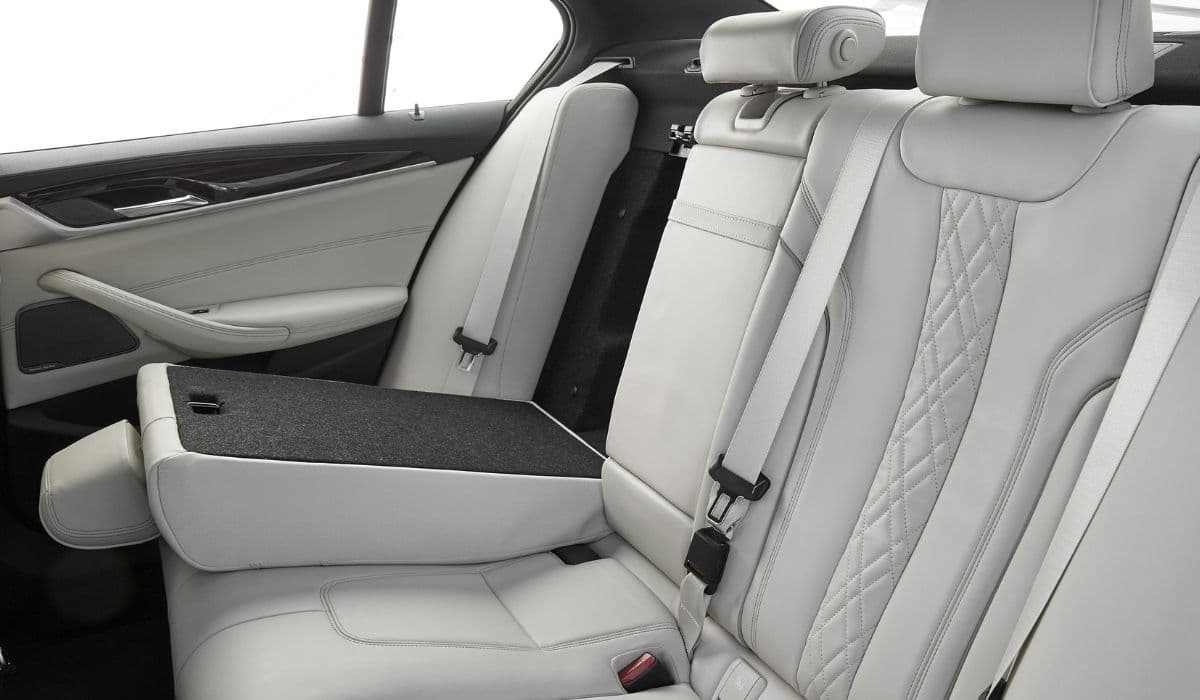
Yet, the opulence is somewhat tempered in the rear, where the seating, while supportive and heated in optional packages, feels constrained. Legroom measures around 36.5 inches, which is adequate for average adults but lags behind competitors like the Mercedes E-Class, which offers nearly 2 inches more. Headroom is similarly affected by the sloping roof, making it less ideal for passengers over 6 feet tall during extended trips.

Rear Seat Comfort and Space Analysis

Delving deeper into the rear seat dynamics, the BMW 5 Series prioritizes a driver-centric experience, which inherently limits backseat accommodations. Bench seating for three is standard, but the middle position is best suited for shorter journeys due to a pronounced transmission tunnel. Cushioning is firm yet plush, drawing from BMW's sport sedan ethos, but this can feel less forgiving on bumpy roads compared to softer setups in rivals.

In terms of amenities, rear passengers benefit from USB-C ports, air vents, and optional tablet holders, but the space constraints become evident in real-world use. For families or executive transport, this tightness can be a drawback; carpooling with adults might lead to discomfort on commutes exceeding an hour. BMW has attempted to mitigate this with clever packaging, such as slim door panels to maximize knee room, but measurements reveal it's still about 1-2 inches shorter in legroom than the Audi A6.

User reviews and tests from outlets like Car and Driver often praise the front-row luxury but note the rear as a compromise for those valuing passenger capacity. In hybrid models, battery placement further reduces trunk space to 14.5 cubic feet, exacerbating practicality issues for rear occupants needing to store luggage.

Performance and Driving Dynamics

The BMW 5 Series shines in performance, delivering a driving experience that's engaging and refined. Rear-wheel drive is standard, with xDrive all-wheel drive available for enhanced traction. Suspension setups, including optional adaptive dampers, strike a balance between comfort and sportiness, absorbing imperfections while maintaining composure in corners.

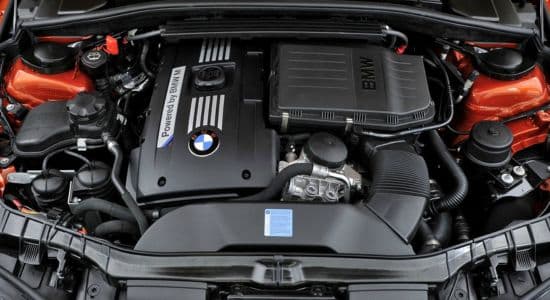
Steering is precise and weighted ideally, providing feedback that encourages spirited driving. Acceleration varies by model: the base 530i with its 2.0-liter turbo four-cylinder produces 255 horsepower, achieving 0-60 mph in about 5.9 seconds. Higher trims like the 540i with a 3.0-liter inline-six boost that to 375 horsepower and a 4.5-second sprint.

Even in electric variants like the i5, which offers up to 593 horsepower in the M60 trim, the instant torque provides exhilarating performance without sacrificing the smooth ride. However, the added weight from batteries can slightly dull handling compared to pure gasoline models, though BMW's chassis tuning keeps it agile.

Engine Options and Efficiency

Powertrain diversity is a strength of the 5 Series. Gasoline options include the efficient 530i, achieving up to 34 mpg highway, and the potent 540i at around 30 mpg. Plug-in hybrids like the 550e combine a six-cylinder engine with electric motors for 389 horsepower and an electric-only range of about 25 miles, ideal for urban commuting with combined efficiency exceeding 60 MPGe.

The all-electric i5 lineup starts with the eDrive40 at 335 horsepower and a 295-mile range, scaling to the M60 with dual motors for all-wheel drive and a 256-mile range. Charging capabilities support up to 205 kW DC fast charging, replenishing 10-80% in roughly 30 minutes.

These options cater to varying needs, from eco-conscious buyers to performance seekers, but all maintain BMW's signature inline engine smoothness. Fuel economy figures are competitive, though real-world tests show hybrids excel in mixed driving, potentially saving owners hundreds annually on fuel costs.

Advanced Technology and Safety

Technology in the 5 Series is cutting-edge, with the iDrive 8.5 system supporting over-the-air updates, Apple CarPlay, Android Auto, and a built-in 5G hotspot. Gesture controls and voice commands via "Hey BMW" enhance usability, while the optional augmented reality navigation overlays directions on the live camera feed.

Safety features are comprehensive, earning top ratings from IIHS and Euro NCAP. Standard aids include automatic emergency braking, blind-spot monitoring, and lane-keeping assist. The Driving Assistance Professional package adds adaptive cruise with stop-and-go, highway assistant for hands-free driving up to 85 mph, and evasive steering aid.

These systems work seamlessly, reducing driver fatigue, though some users report occasional false alerts in urban settings. Integration with BMW's Connected app allows remote monitoring, preconditioning, and even digital key sharing via smartphone.

Comparison with Competitors

Against peers, the BMW 5 Series stands out for its driving engagement but falls short in rear space. The Mercedes E-Class offers more legroom (35.8 inches vs. 36.5, but with better headroom) and a silkier ride, though it's less agile. The Audi A6 provides similar tech but with a more subdued interior, and its Quattro system edges out in wet conditions.

Genesis G80 undercuts on price while matching luxury, with generous rear accommodations, making it a value alternative. Lexus ES prioritizes reliability and comfort, with superior backseat room, but lacks the BMW's sporty edge. Ultimately, the 5 Series appeals to those who drive themselves, whereas competitors might suit chauffeur-driven scenarios better.

Ownership Experience and Costs

Owning a BMW 5 Series involves premium maintenance, with service intervals at 10,000 miles and costs averaging $1,000 annually for routine work. Warranty covers 4 years/50,000 miles, with complimentary scheduled maintenance for 3 years/36,000 miles, easing initial ownership burdens.

Resale value remains strong, depreciating about 50% over five years, better than average for luxury sedans. Insurance rates hover around $2,000 yearly, influenced by model and location. Fuel costs vary: gasoline models at $2,500 annually for 15,000 miles, hybrids less at $1,500.

User forums highlight reliability improvements in recent generations, with fewer electronic glitches than early 2010s models. Customization via BMW's configurator allows tailoring to preferences, from wheel styles to interior accents, enhancing the personal ownership appeal despite the rear seat limitations.

Ad Slot #1

More from Bmw

Back to Bmw