BMW air suspension: Luxury or frequent failure risk?
BMW air suspension represents one of the most sophisticated comfort technologies in modern luxury vehicles. It promises a magic-carpet ride that effortlessly smooths out road imperfections while maintaining perfect composure during dynamic driving. Yet for many owners, this advanced system eventually becomes a source of frustration, unexpected workshop visits, and heated forum discussions. Is the legendary smoothness worth the gamble, or does it represent an engineering compromise hidden behind premium badge appeal?
How BMW Air Suspension Actually Works
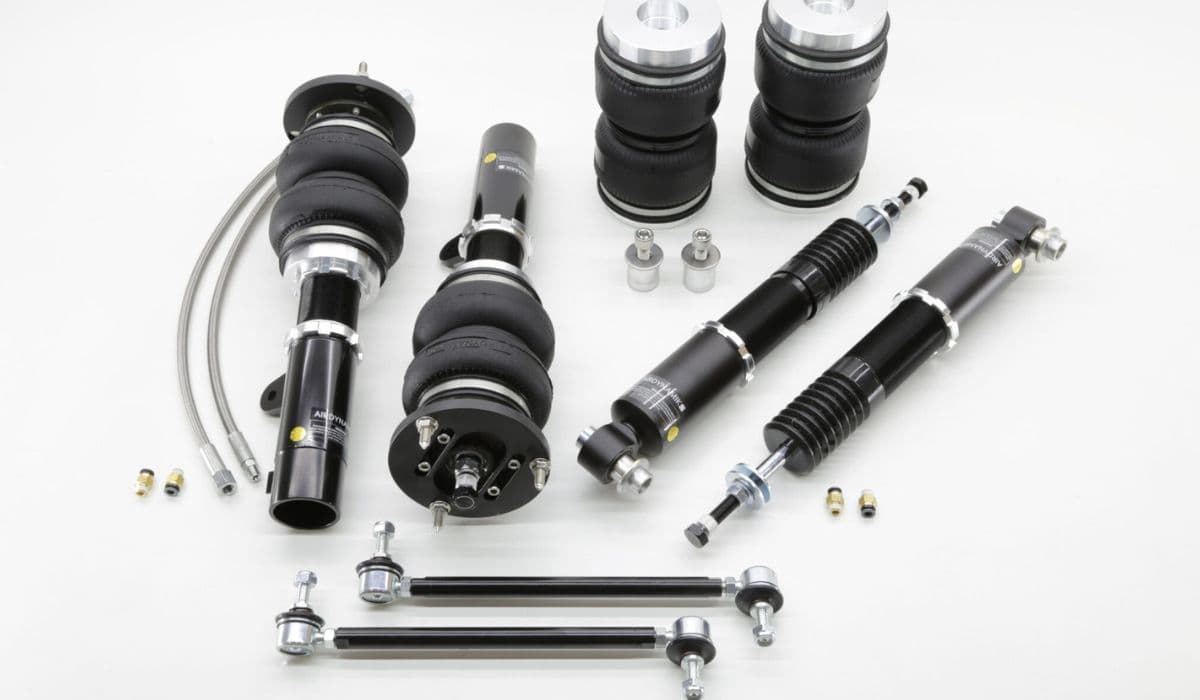
Unlike conventional coil springs, BMW's air suspension (often called Adaptive Air Suspension or two-axle air ride) replaces metal springs with inflatable rubber air springs (also known as air bags or bellows).
A central electric compressor generates pressurized air, which is distributed through a network of valves, lines, and height sensors to each corner. The system's electronic control module constantly monitors ride height and adjusts pressure in real time.
This creates several key advantages:
Exceptional absorption of small road imperfections and expansion joints
Automatic self-leveling when carrying heavy loads or passengers
Multiple selectable ride heights (entry/exit mode, normal, sport, off-road in some models)
Reduced body roll during cornering when combined with active damping
Improved high-speed stability through lowered ride height
The result feels genuinely luxurious: the cabin remains isolated from harsh impacts while the chassis stays composed and precise.
The Allure: Why Enthusiasts Fall in Love
Owners who appreciate the system often describe it as transformative.
Here are the most frequently praised aspects:
Cloud-like comfort on long highway drives — many compare it to floating rather than driving
Remarkable ability to maintain composure over broken pavement that would unsettle coil-sprung counterparts
Versatile character: effortless comfort in one moment, taut sportiness in the next when switching modes
Practical benefits for families — automatic leveling prevents that rear sag when the trunk is loaded
Enhanced visual presence — the lowered stance in sport mode looks purposeful and aggressive
For drivers who prioritize serenity without sacrificing BMW's hallmark handling DNA, air suspension often becomes non-negotiable. Many owners report that after experiencing it, returning to conventional suspension feels like a noticeable downgrade.
The Dark Side: Common Failure Patterns
Despite the engineering brilliance, air suspension carries an undeniable Achilles' heel — complexity breeds vulnerability. The system contains numerous interdependent components, any of which can fail over time.
The most frequently reported issues include:
Air spring leaks — Rubber bellows develop cracks from age, temperature extremes, road debris, or constant flexing → gradual or sudden sagging
Compressor failure — The pump works harder to compensate for small leaks, eventually burns out from overheating or internal wear
Faulty height sensors — Corrosion, damage, or electrical issues cause incorrect readings and erratic behavior
Valve block malfunctions — Solenoids stick or leak, preventing proper air distribution between corners
Air line deterioration — Brittle plastic lines crack, especially in regions with severe temperature swings
Early warning signs are usually unmistakable:
Vehicle sits noticeably lower on one corner after overnight parking
Suspicious hissing sounds near the wheels or under the hood
Compressor runs excessively long or becomes unusually noisy
Dashboard warning messages mentioning "Chassis Stabilization" or "Suspension Fault"
Harsh, bouncy ride quality when the system can no longer maintain pressure
Cold climates appear particularly harsh on the system — moisture inside lines freezes, road salt accelerates corrosion, and low temperatures make rubber components more brittle.
Maintenance Reality Check
BMW air suspension is not maintenance-free technology. Proactive care significantly extends component life.
Helpful habits include:
Regular undercarriage inspections for visible leaks or damaged lines
Keeping the compressor cool — avoid covering ventilation areas
Addressing even minor sagging immediately before the compressor gets overworked
Using quality diagnostic tools to catch fault codes early
Considering protective measures in harsh winter environments (garage parking, frequent washing)
Owners who treat the system with respect and catch issues early often enjoy trouble-free operation much longer than those who ignore subtle symptoms.
Conversion Debate: Is Switching to Coils the Answer?
When major failures occur, many owners face a difficult choice: repair the original air system or convert to conventional coil springs.
Conversion advantages:
Elimination of future air-related failures
Significantly lower long-term maintenance burden
Often improved reliability in extreme climates
Downsides:
Loss of that signature floating feel
Reduced versatility (no automatic leveling, no height adjustment)
Potential change in handling character
Possible impact on resale perception among luxury buyers
The decision usually comes down to driving priorities: pure comfort lovers usually repair, while reliability-focused drivers often convert.
Making the Choice: Who Should Choose Air Suspension?
BMW air suspension shines brightest for owners who:
Live in mild climates with well-maintained roads
Plan to keep the vehicle relatively short-term (within warranty coverage)
Place ride quality and comfort above everything else
Are willing to invest in proactive maintenance and early repairs
Conversely, consider skipping it if you:
Frequently face extreme temperature changes or salted winter roads
Intend to keep the car for very high mileage
Prefer maximum long-term reliability over ultimate comfort
Want to minimize potential workshop surprises
In the end, BMW air suspension remains one of the clearest examples of the classic luxury dilemma: exquisite engineering that delivers unforgettable refinement — yet demands respect, vigilance, and sometimes a deeper wallet than conventional alternatives.