BMW air suspension: Luxury or frequent failure risk?
BMW's air suspension systems represent a pinnacle of automotive engineering, blending comfort with performance in ways that traditional coil springs struggle to match. This technology, often found in the brand's premium models, adjusts ride height and damping on the fly, adapting to road conditions, load, and driving style. But while it promises a luxurious driving experience, questions about its long-term reliability persist among owners and enthusiasts. In this in-depth exploration, we delve into the mechanics, benefits, challenges, and real-world implications of BMW air suspension to help you decide if it's a worthwhile feature or a potential headache.
Understanding BMW Air Suspension Technology
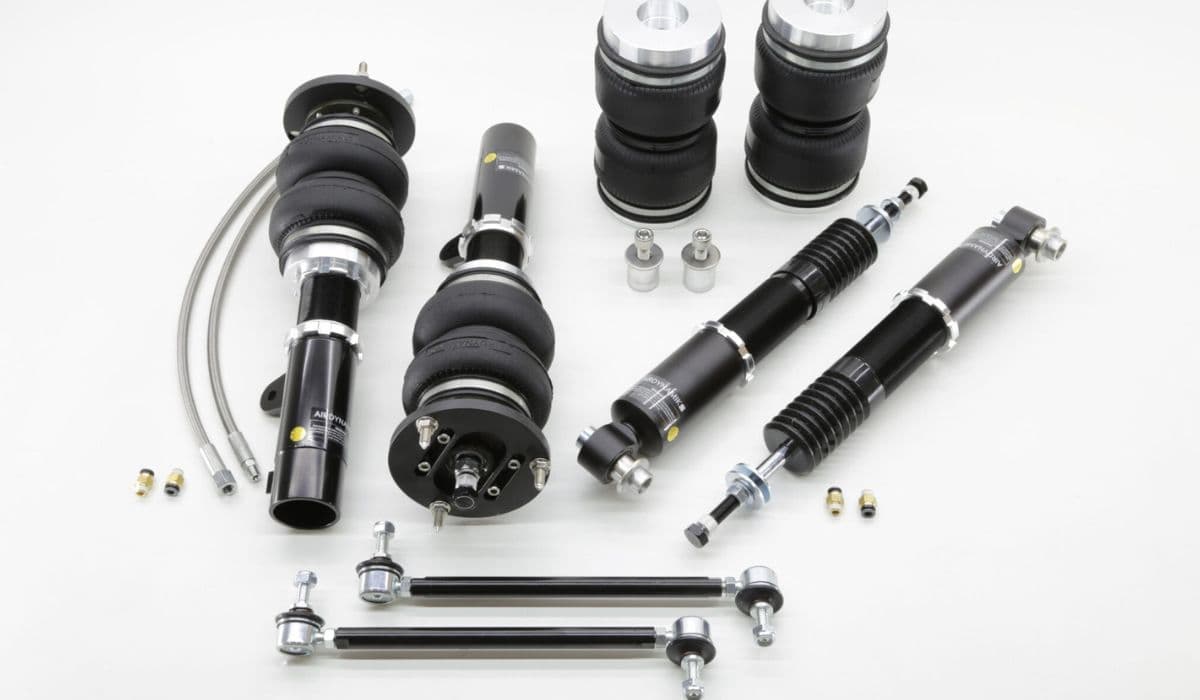
At its core, BMW air suspension replaces conventional steel springs with air-filled bags or struts that can inflate or deflate to control vehicle height and stiffness. The system typically includes components like air compressors, valves, sensors, height levelers, and electronic control modules. These work in tandem with the car's adaptive dampers and sometimes integrate with features like rear-wheel steering or all-wheel drive for optimal handling.
BMW has refined this technology over generations, starting with early implementations in models like the E53 X5 in the early 2000s. Modern versions, such as the adaptive two-axle air suspension in the iX electric SUV, use double-wishbone front axles and five-link rear setups for precise control. The compressor pumps air into the bags to maintain ride height, while sensors monitor everything from vehicle load to speed. In cold climates, the system can even preheat components to prevent freezing. However, this complexity introduces multiple points where things can go wrong, from electrical glitches to mechanical wear.
Key to its operation is the progressive spring rate: unlike fixed steel springs, air bags soften initial impacts for a plush ride but firm up under heavy loads or aggressive cornering. This makes it ideal for SUVs that need to handle both highway cruising and light off-road duties. Yet, the reliance on electronics means software updates via BMW's iDrive system are sometimes necessary to address calibration issues.
Advantages of BMW Air Suspension for Enhanced Driving Experience
One of the standout benefits of BMW air suspension is the elevated comfort it provides, especially on long drives. By reducing noise, vibration, and harshness, it minimizes fatigue for drivers and passengers. For instance, in models like the X5, the system absorbs bumps more effectively than standard suspensions, offering a smoother ride over potholes or uneven surfaces. Owners often praise how it maintains composure at high speeds, with less body roll during cornering due to automatic adjustments.
Performance-wise, air suspension enhances handling by allowing variable ride heights. In sport mode, the vehicle lowers for better aerodynamics and a lower center of gravity, improving stability. For towing or carrying heavy loads, it levels the rear to prevent sagging, which is crucial for SUVs like the X7 with its optional third-row seating. Compared to 22-inch wheels on non-air models, air-equipped variants feel markedly more compliant, as noted in comparisons between 20-21 inch setups.
Beyond comfort, there's a luxury factor: the ability to raise the vehicle for easier entry/exit or to navigate speed bumps adds a premium touch. In electric models like the i5 M60, it contributes to a serene cabin experience, isolating occupants from road imperfections. Less wear on other components, such as tires and brakes, is another perk, as the system distributes forces more evenly. For those prioritizing a refined drive, it's a feature that elevates BMWs above competitors with simpler setups.
Potential Drawbacks and Reliability Concerns in BMW Air Suspension
Despite its allure, BMW air suspension isn't without flaws, and reliability issues are a common complaint. Over time, components like air bags can develop leaks, causing the vehicle to sag—often noticeably at one corner after parking. Compressor failures are frequent, leading to warning lights and an inability to maintain height. In older models like the F15 X5, intermittent drops or complete collapses have been reported, sometimes rendering the car undrivable.
Environmental factors exacerbate problems: extreme temperature swings, moisture, and road salt in harsh climates accelerate degradation of bladders and lines. For example, in regions with sub-zero winters, freezing can seize the system, while heat might cause seals to fail prematurely. Electrical issues, such as faulty sensors or modules, trigger error codes like "suspension failure," and diagnostics can be tricky without specialized tools.
Data from owners suggests failures often emerge around 80,000 miles or four to five years, with some reporting near-100% failure rates over longer periods. In forums, users describe hissing noises from leaks, uneven ride heights, or the compressor running excessively, which shortens its lifespan. While newer G05 X5 generations show improvements over predecessors like the F15, the added complexity means more potential breakdown points compared to simpler coil suspensions. This has led some to convert to traditional setups for peace of mind, though that sacrifices the original dynamics.
BMW Models Equipped with Air Suspension Systems
BMW selectively offers air suspension on its larger, more luxurious vehicles where the benefits shine. The X5 lineup, particularly the G05 generation, frequently includes it as an option or standard on higher trims like the 45e hybrid, providing adaptive two-axle setups for superior comfort. The X7, BMW's flagship SUV with third-row seating, often comes with air suspension to handle its size and weight, allowing height adjustments for better ground clearance.
In the sedan realm, the 7 Series (G12 and newer) integrates it for a limousine-like ride, especially in long-wheelbase variants. Electric models are increasingly adopting it: the iX features an adaptive two-axle system with double-wishbone fronts, while the i5 M60 uses it to enhance efficiency and handling. Some 5 Series Tourings have rear-only air leveling for load compensation, and aftermarket kits exist for 3 Series like the G20/G21, though factory options are rare on smaller cars.
Notably, models below the X5 size, such as the X3, typically skip air suspension in favor of adaptive dampers, reserving the tech for premium segments. For performance-oriented variants like the X5 M, it's calibrated for sharper responses, blending luxury with agility.
Maintenance Strategies to Prolong BMW Air Suspension Life
Proactive care is essential to maximize the longevity of BMW air suspension. Regular inspections every 10,000-15,000 miles should check for leaks in air lines, bags, and valves—listen for hissing or watch for uneven settling. Keeping the compressor clean and ensuring it's not overworking (e.g., by avoiding constant heavy loads) prevents burnout. In salty environments, underbody washes help combat corrosion on metal parts.
Software updates during routine services can resolve electronic glitches, and aligning the wheels properly reduces stress on the system. For cold-weather owners, parking in garages minimizes freezing risks, and using BMW-approved fluids in related hydraulics maintains performance. Replacing wear items like height sensors preemptively around 60,000 miles can avert cascades of failures.
DIY enthusiasts might handle basic checks, but professional diagnostics with tools like OBD scanners are recommended for error codes. Avoiding off-road abuse or extreme modifications preserves integrity, and monitoring tire pressures indirectly supports the suspension by ensuring even load distribution.
Repair Costs and What to Expect When Issues Arise
When problems strike, costs can add up quickly due to the specialized parts. A single air spring replacement on an X5 might run $785 to $879, including labor of $203-$297. Compressor repairs or swaps often cost £400-£700 for OEM parts, while used units go for £200-£350. Full system overhauls, especially on complex models like the 7 Series, can exceed $2,000 to $7,000, factoring in modules and alignments.
Dealership labor rates push expenses higher—expect $500 for basic fixes on older models, up to $4,000 for newer X5s with advanced integrations. Intermittent issues, like those in the F15 X5, may require multiple visits, inflating bills. Warranty coverage helps on newer vehicles, but post-warranty, independent shops specializing in BMWs offer savings without voiding extended plans.
Common scenarios include sagging repairs involving bag replacements ($300-600 per side) or compressor rebuilds. Electrical faults might need module reprogramming at $200-500. Budgeting for these is wise, as ignoring early signs like noises or warnings can lead to towed vehicles and escalated damages.
Owner Insights on Living with BMW Air Suspension
Real-world experiences vary widely, reflecting the system's dual nature. Many praise the comfort on long hauls, with X5 owners noting it transforms rough roads into effortless glides, far superior to non-air equivalents. In the iX, the setup complements the electric drivetrain for a whisper-quiet ride, and X7 drivers appreciate the leveling for family trips.
Conversely, frustrations mount with age: one owner reported a 2014 F15 dropping intermittently, requiring sporadic fixes. Cold-climate users lament moisture-induced failures, while others convert to coils after repeated leaks. On platforms like forums, threads highlight 55,000-mile trouble-free runs on G12 7 Series, but warn of $3,500 per module in import-heavy regions.
Hybrid models like the X5 45e benefit from the progressive rate for efficiency, yet some skip it to avoid potential hassles. Overall, satisfied owners emphasize preventive maintenance, while critics point to the "more parts, more problems" philosophy, especially beyond 100,000 miles.
Weighing the Options: Is BMW Air Suspension Right for You?
Ultimately, BMW air suspension suits those valuing supreme ride quality and adaptability, particularly in SUVs or luxury sedans. If your driving involves highways, variable loads, or a preference for tech-forward features, it enhances the experience significantly. However, for budget-conscious buyers or those in harsh environments, the risks of downtime and costs might outweigh the luxuries.
Consider your usage: frequent towing favors it, while urban commutes might not justify the complexity. Test-driving equipped models reveals the difference, and factoring in extended warranties mitigates worries. As BMW evolves the tech—seen in improvements from F15 to G05—future iterations may tip the scales toward reliability, making it a smarter choice for discerning drivers.