BMW B58 engine praise: Most reliable modern BMW powertrain
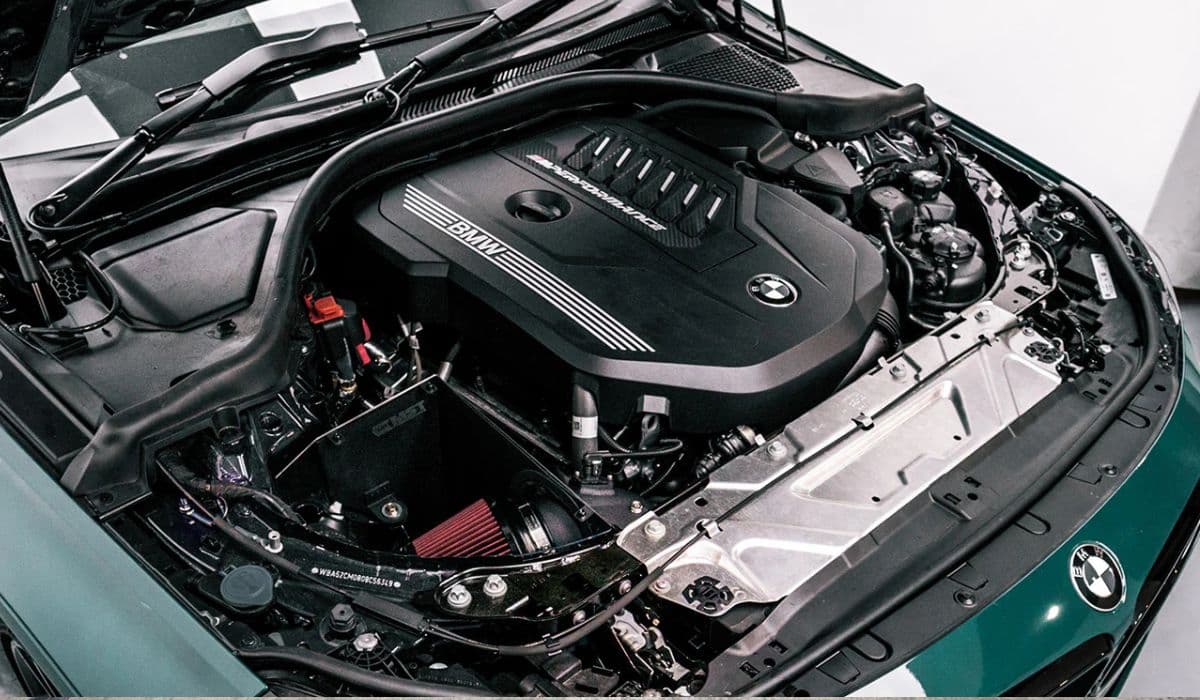
The BMW B58 engine has quietly established itself as one of the most respected and genuinely reliable powerplants in the modern performance car landscape. While previous generations of BMW turbo engines often became infamous for expensive surprises after the warranty expired, the B58 has managed to reverse that trend almost completely.
Engineers created something that delivers serious performance while treating owners with unexpected kindness over the long term. What exactly makes the B58 so different?
Closed-Deck Block – The Foundation of Confidence
The single most important upgrade compared to earlier N54/N55 engines is the closed-deck cylinder block design. This seemingly simple architectural decision brought massive improvements in structural integrity.
The main advantages include:
Dramatically thicker supporting webs between cylinders
Far better resistance to cylinder bore distortion under high cylinder pressure
Significantly reduced risk of head lift and head gasket failure
Much more stable combustion chamber geometry even at 25+ psi
This one fundamental change eliminated one of the primary weaknesses of previous BMW turbo sixes and gave tuners a much stronger starting point.
Timing Chain System – Lessons Finally Learned
BMW took the painful timing chain experiences of the 2000s and early 2010s very seriously. The B58 received a substantially upgraded timing drive system from day one:
Thicker, more robust chain design
Improved chain guide materials with better wear characteristics
Stronger hydraulic tensioner with enhanced pressure retention
Better oil supply routing to the entire timing assembly
The result is clear: catastrophic timing chain failures have become exceptionally rare on properly maintained B58 engines — even those seeing very high mileage or aggressive use.
Single Twin-Scroll Turbo – Simplicity Wins
While twin-turbo setups look impressive on paper, the single twin-scroll turbo of the B58 offers several meaningful reliability advantages:
Fewer moving parts and potential leak points
Significantly less heat soak during repeated hard pulls
Better oil drainage and supply geometry
More predictable thermal behavior under load
Easier access for inspection and eventual replacement
Modern turbocharger technology has also advanced considerably in bearing durability and shaft stability — advantages the B58 fully utilizes.
Cooling Architecture That Actually Works
One of the most underappreciated reasons for B58 longevity is its sophisticated yet effective cooling system design. BMW implemented:
Highly capable electric water pump with precise flow control
Efficient main heat exchanger placement
Smart thermal management software mapping
Auxiliary electric pump for post-shutdown turbo cooling
Together these elements keep coolant and oil temperatures remarkably stable — even during track days or repeated full-throttle runs in hot weather.
Oil System Designed for Abuse
The B58 features one of the most competent production-car oiling systems in its class:
Map-controlled variable oil pump that adapts pressure to demand
Separate oil cooling circuit with efficient heat exchanger
Large-capacity, high-quality oil filter
Carefully optimized oil gallery design
These features help maintain excellent oil film strength and temperature control even under sustained high-load conditions or when running significantly increased power.
Real-World Evidence Keeps Growing
After years on the market, the long-term data tells a very compelling story:
Stock internals regularly handle 380–450 whp reliably with good tuning and fuel
Many examples exceed 300,000 km with original turbo and timing components
Tuned cars running 24–28 psi daily are increasingly common without major drama
Most serious failures still trace back to skipped oil changes, low-quality fuel, or extreme abuse
The pattern is clear: when treated with basic respect, the B58 tends to reward owners with exceptional dependability.
Everyday Practicality Matters
Beyond raw engineering, several practical factors contribute to the B58’s legendary status:
Realistic service intervals with modern synthetic oils
Excellent diagnostic capabilities that catch issues early
Strong global parts availability
Thriving aftermarket support for both maintenance and performance
This combination makes ownership feel surprisingly stress-free compared to many other performance-oriented modern engines.
A Benchmark for the Future
The B58 proves that exceptional performance and long-term reliability aren’t mutually exclusive when engineering priorities are balanced correctly. It demonstrates that a manufacturer can absorb hard lessons from the past and apply them systematically across an entire engine family.
In an era where downsizing, hybridization, and electrification dominate headlines, the B58 stands as living proof that a well-executed conventional turbocharged inline-six can still deliver an almost perfect blend of character, power, and genuine durability.