BMW brake system recall: 1.5M vehicles affected
The automotive industry has seen its share of safety concerns, but few have matched the scale of BMW's recent brake system recall. Announced in 2024 and expanded through amendments, this action impacts approximately 1.5 million vehicles worldwide, with a significant portion in the United States alone. At the heart of the issue lies a malfunction in the integrated brake module, a critical component that ensures smooth and reliable stopping power. This recall underscores the complexities of modern vehicle electronics and the importance of proactive safety measures in high-end automobiles.
Understanding the Integrated Brake System Defect
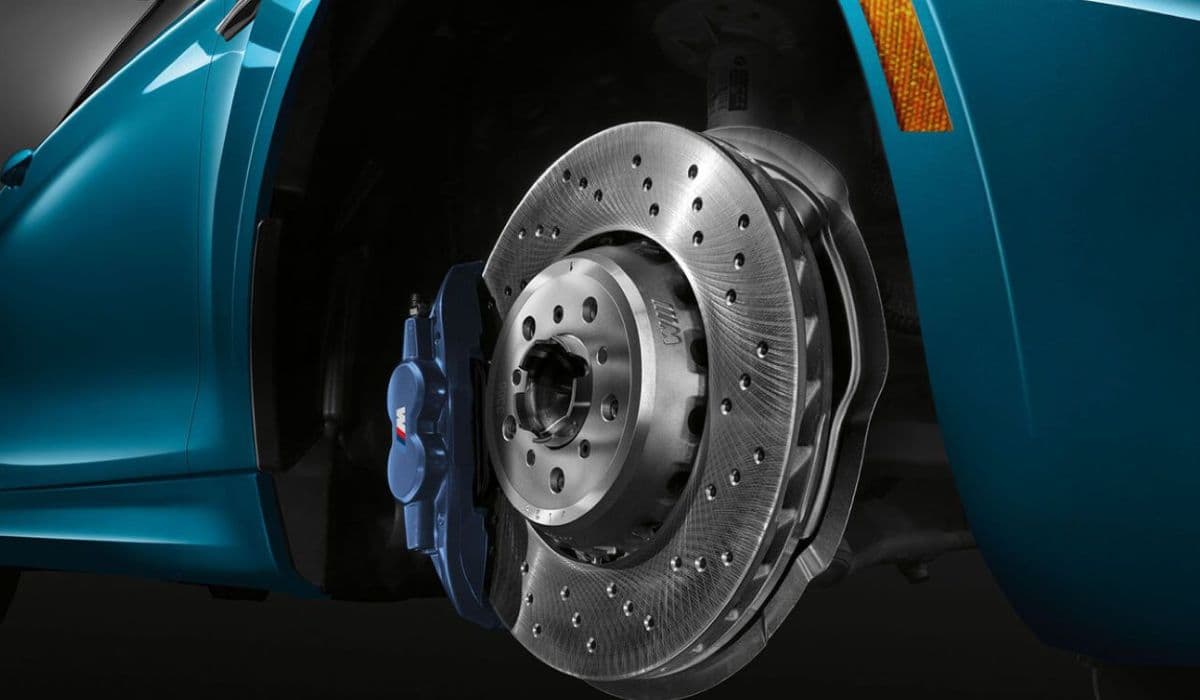
BMW's integrated brake system, often abbreviated as IB, combines hydraulic and electronic elements to provide enhanced braking performance, including power assist, anti-lock braking (ABS), and dynamic stability control (DSC). The defect stems from potential signal disturbances within the IB module, which can disrupt normal operation. These disturbances may arise from manufacturing variances or environmental factors during assembly, leading to inconsistent signal processing.
In technical terms, the IB module processes inputs from various sensors to modulate brake pressure. When signal interference occurs, it can result in reduced or absent power assistance, meaning drivers must apply greater force to the pedal to achieve the same stopping effect. Additionally, the ABS and DSC functions may become unavailable, compromising the vehicle's ability to prevent wheel lockup during hard braking or maintain stability on slippery surfaces. Importantly, the mechanical braking capability remains intact, allowing the vehicle to stop, albeit with increased effort. However, the emergency parking brake may engage automatically in severe cases to assist.
This issue was first identified through BMW's internal quality control procedures, prompting an initial investigation in early 2024. By February, the company had pinpointed the problem in a smaller batch of vehicles, but further analysis revealed a broader scope, leading to the massive recall expansion by August. The National Highway Traffic Safety Administration (NHTSA) classified this as Recall 24V-104, highlighting the potential for extended stopping distances that could elevate crash risks.
Which BMW Models Are Impacted?
The recall spans a wide array of BMW models, primarily those produced between June 2022 and the present, reflecting the integration of the affected IB module in newer generations. In the United States, around 270,000 to 278,000 vehicles are involved, but the global figure reaches 1.5 million, including markets in Europe, Asia, and beyond.
Key affected BMW models include the 2023-2025 5 Series and i5 (G60 chassis), which encompass both gasoline and electric variants known for their luxury sedan appeal. The flagship 7 Series and i7 (G70) are also hit, affecting high-end executive cars with advanced hybrid and EV powertrains. SUV enthusiasts should note the inclusion of the 2023-2025 X1 (U11), X2 (U10), X5 (F95/G05), X6 (F96/G06), X7 (G07), and the premium XM (G09) plug-in hybrid.
Specific trims vary, but examples include the X1 xDrive28i, X5 sDrive40i, X5 xDrive40i, X5 M60i, X5M, X5 xDrive50e, X6 xDrive40i, X6 M60i, X6M, X7 xDrive40i, X7 M60i, X7 ALPINA XB7, and XM models. The 530i, 540i, 740i, 760i, 750e, and electric i5 and i7 are part of the sedan lineup. Beyond BMW-badged vehicles, the recall extends to the Rolls-Royce Spectre, BMW's ultra-luxury electric coupe built on a shared platform, as well as certain MINI models like the 2023-2025 Cooper S Hardtop 2 Door (F66), Cooper S Hardtop 4 Door (F65), and Countryman (U25).
Production dates are crucial: vehicles assembled after August 2022 are most at risk, though owners are advised to check their VIN against official databases for confirmation. This broad model coverage highlights how interconnected modern automotive supply chains are, with the IB module sourced from a common supplier across multiple brands under the BMW Group umbrella.
Symptoms Indicating a Brake Issue
Drivers of affected vehicles may not immediately notice the defect, as it can manifest intermittently. The primary indicator is an illumination of the brake warning lamp on the instrument cluster, accompanied by a message alerting to a potential system malfunction. This could read something like "Brake System Fault" or specify reduced assistance.
Physically, operators might experience a stiffer brake pedal, requiring more foot pressure to slow down or stop. In scenarios demanding quick stops, such as highway merging or urban traffic, this could lead to longer braking distances. If ABS fails, wheels may lock during panic stops, reducing steering control. Similarly, DSC deactivation could make handling trickier on wet or icy roads, where electronic aids normally intervene to prevent skids.
In rare instances, the system might trigger the emergency brake automatically, which could surprise drivers but serves as a failsafe. No crashes or injuries were directly linked to this issue at the time of the recall announcement, but BMW emphasized the precautionary nature of the action to avert any future incidents.
Potential Risks for Drivers and Passengers
The core risk revolves around compromised braking efficiency, which amplifies the danger in emergency situations. Extended stopping distances—potentially by several feet at highway speeds—could result in rear-end collisions or failure to avoid obstacles. Without ABS, skidding becomes more likely, especially for less experienced drivers who might not modulate pedal pressure manually.
DSC's absence heightens rollover risks in SUVs like the X5 or X7 during evasive maneuvers, as the system typically adjusts brake force to individual wheels for stability. For electric models like the i5 or i7, the integration of regenerative braking with the IB could further complicate performance if signals are disrupted.
Passengers face indirect threats from these handling impairments, particularly in adverse weather or high-traffic environments. While the mechanical brakes ensure basic functionality, the overall degradation in safety features deviates from BMW's reputation for engineering excellence, potentially eroding driver confidence.
BMW's Response and Repair Process
BMW has taken a comprehensive approach to address the defect. The remedy involves replacing the faulty IB module with an updated version that mitigates signal disturbances. For vehicles with very low mileage—under 165 miles—a software update via the Integrated Service Technical Application (ISTA) version 4.49.31 or later can suffice, avoiding full hardware replacement.
The repair process includes diagnostic checks, module swap per specific repair procedures (like REP 34 51 601), and post-installation calibrations for DSC and driving dynamics sensors. Parts availability began ramping up in September 2024, with mobile repair options for convenience. Labor times vary by model but typically span several hours, all covered free of charge.
Owners will receive notification letters via first-class mail, detailing the issue and scheduling instructions. In the interim, BMW recommends continued safe driving practices and immediate attention to any warning lights. The company has also imposed delivery stops on new and used vehicles until repairs are completed, complying with federal regulations.
Steps for Affected Vehicle Owners
If you own a potentially impacted BMW, start by verifying your vehicle's status using the VIN lookup tool on official BMW or NHTSA platforms. Gather your 17-digit VIN from the driver's door jamb or registration documents.
Upon confirmation, contact your local authorized BMW dealer to schedule the repair. Prepare for the appointment by noting any symptoms experienced, and inquire about loaner vehicles if the fix requires extended shop time. BMW offers an Alternative Mobility Solution reimbursement for rental costs in qualifying cases.
Post-repair, monitor the system for any recurring issues, though the updated components are designed to prevent them. Registering your vehicle with BMW ensures you receive future alerts promptly. For those with recently purchased used models, insist on recall clearance documentation from sellers.
Financial Implications for BMW
This recall has not come without cost. BMW initially estimated warranty expenses in the high three-digit million euro range, prompting a downward revision of its 2024 financial outlook. Profit margins in the automotive segment were adjusted from 8-10% to 6-7%, reflecting the burden of parts, labor, and logistics.
The expansion to 1.5 million units amplified these figures, with analysts projecting total outlays exceeding 1 billion euros. Stock prices dipped following the announcement, though BMW's strong market position and diversified portfolio mitigated long-term damage. This event also spotlighted supply chain vulnerabilities, as the IB supplier faced scrutiny for quality lapses.
Historical Context of BMW Recalls
BMW's recall history includes notable actions like the 2018 coolant leak issue affecting over a million cars and the 2020 airbag inflater problems. The current brake recall fits into a pattern of addressing electronic and hydraulic integrations in newer models, driven by the shift toward electrification and advanced driver aids.
Compared to peers, BMW's recall rate aligns with industry averages, but the scale here rivals major events like Toyota's unintended acceleration saga. Lessons from past recalls have honed BMW's response protocols, emphasizing transparency and swift action to maintain brand trust.
Preventive Measures and Future Outlook
To forestall similar issues, BMW is enhancing supplier audits and incorporating redundant signal checks in future IB designs. Owners can adopt habits like regular brake inspections during maintenance and heeding dashboard warnings promptly.
Looking ahead, this recall may accelerate advancements in brake-by-wire technologies, promising even greater reliability. For BMW enthusiasts, it serves as a reminder that even premium vehicles require vigilance, but the company's commitment to safety positions it well for continued innovation in the luxury segment.