BMW iX reliability: Multiple recalls and HV failures
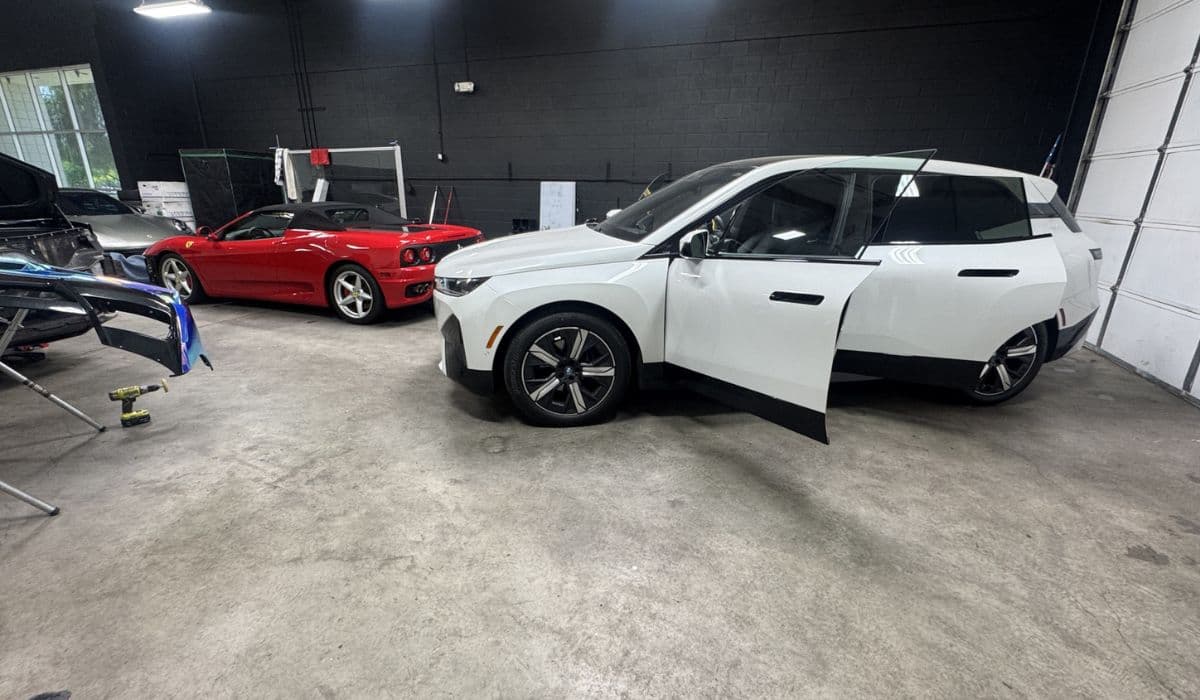
The BMW iX represents a bold step into the future of luxury electric mobility, combining striking design, powerful performance, and advanced technology. Yet beneath its futuristic appeal lies a more complicated story — one marked by repeated safety recalls and recurring concerns surrounding the high-voltage (HV) system. Owners and industry observers frequently discuss whether these issues point to deeper reliability challenges in this ambitious EV flagship.
A Pattern of High-Voltage System Recalls
The high-voltage battery and associated electrical architecture form the core of any electric vehicle, and for the BMW iX, this system has triggered several official recalls. These actions, initiated through regulatory channels, address risks ranging from sudden power loss to potential battery module stress.
Key recurring themes in these recalls include:
Software anomalies in the electric drive motor control that can trigger an unexpected shutdown of the high-voltage system, resulting in complete loss of propulsion while driving.
Manufacturing deviations during battery cell module assembly, where excessive compression forces create long-term stress on structural components, potentially leading to frame failure over time.
Improperly secured electrical connections within the battery monitoring circuits, raising the possibility of system faults or stalls.
Faulty components in the combined charging unit (CCU), which have been linked to short-circuit risks in earlier cases.
Many of these interventions involve over-the-air (OTA) software updates — a modern convenience — while others require physical replacement of specific battery modules or circuits. Although BMW often reports no confirmed incidents, crashes, or injuries tied to these problems at the time of announcement, the precautionary scope remains notable, affecting thousands of units across multiple model years.
Real-World Owner Experiences with HV System Issues
Beyond official recalls, online forums and owner communities reveal a more personal side of the reliability picture. Some drivers describe frustrating sequences of events:
Repeated workshop visits due to intermittent drivetrain warnings or sudden loss of power.
High-voltage system faults appearing multiple times within the first year or two of ownership.
Cases where dealers struggle to replicate issues, leading to extended diagnostic periods or even factory-level interventions.
Frustration with loaner car availability and lengthy repair timelines, especially when HV components are involved.
While many owners report trouble-free experiences — praising the smooth power delivery, quiet cabin, and overall build quality — a vocal subset expresses disappointment. These reports often come from early adopters who expected the pioneering nature of the vehicle to come with teething problems, yet found the frequency of HV-related interventions higher than anticipated.
Why High-Voltage Failures Matter So Much in EVs
In traditional combustion-engine vehicles, a failure might result in reduced performance or a limp-home mode. In an electric SUV like the iX, HV system problems carry amplified consequences:
Sudden loss of drive power at highway speeds creates a serious crash risk.
Potential thermal events (however rare) raise concerns about battery safety.
Complex diagnostics and specialized parts can extend downtime compared to conventional repairs.
Confidence in daily usability suffers when owners worry about unexpected shutdowns during commutes or long trips.
These factors explain why HV-related recalls attract particular attention — they touch the very essence of what makes an electric vehicle function.
Manufacturing and Software Challenges in Early EV Generations
The BMW iX arrived as one of the brand's first fully dedicated electric platforms, built around innovative battery technology and complex software integration. Early production runs often face tighter scrutiny, and deviations in battery assembly — whether from supplier processes or compression tolerances — can manifest months or years later.
Software plays a dual role here. On the positive side, OTA fixes allow rapid deployment of solutions without mandatory dealer visits. On the challenging side, the same complexity that enables advanced features can introduce edge-case scenarios where the system errs on the side of caution, shutting down power to prevent perceived hazards.
Many experts view these as characteristic hurdles in the transition to mature EV production rather than inherent design flaws. Still, for owners living through multiple service campaigns, the distinction feels academic.
How BMW Addresses These Reliability Concerns
The company has demonstrated a proactive stance through:
Voluntary recalls even when risks appear low-probability.
Free-of-charge remedies, including both software and hardware replacements.
Continued monitoring and data collection from the global fleet to refine future updates.
Evolution in later production batches, where many owners report fewer initial issues.
These steps reflect an effort to maintain trust in a segment where reliability perceptions can influence long-term brand loyalty.
Weighing the Luxury Experience Against the Risks
The iX delivers an exceptional blend of serenity, acceleration, and premium materials that few rivals can match. Its spacious interior, refined ride quality, and intuitive technology create a genuinely luxurious EV experience. Yet the shadow of repeated HV-related recalls and owner-reported failures forces potential buyers to consider whether the pioneering aspects outweigh the practical uncertainties.
For those prioritizing cutting-edge design and electric performance, the iX remains compelling. For others seeking maximum peace of mind, the pattern of interventions serves as a reminder that even established luxury brands navigate growing pains in the electric era.