BMW reliability in 2025: Better than expected per Consumer Reports
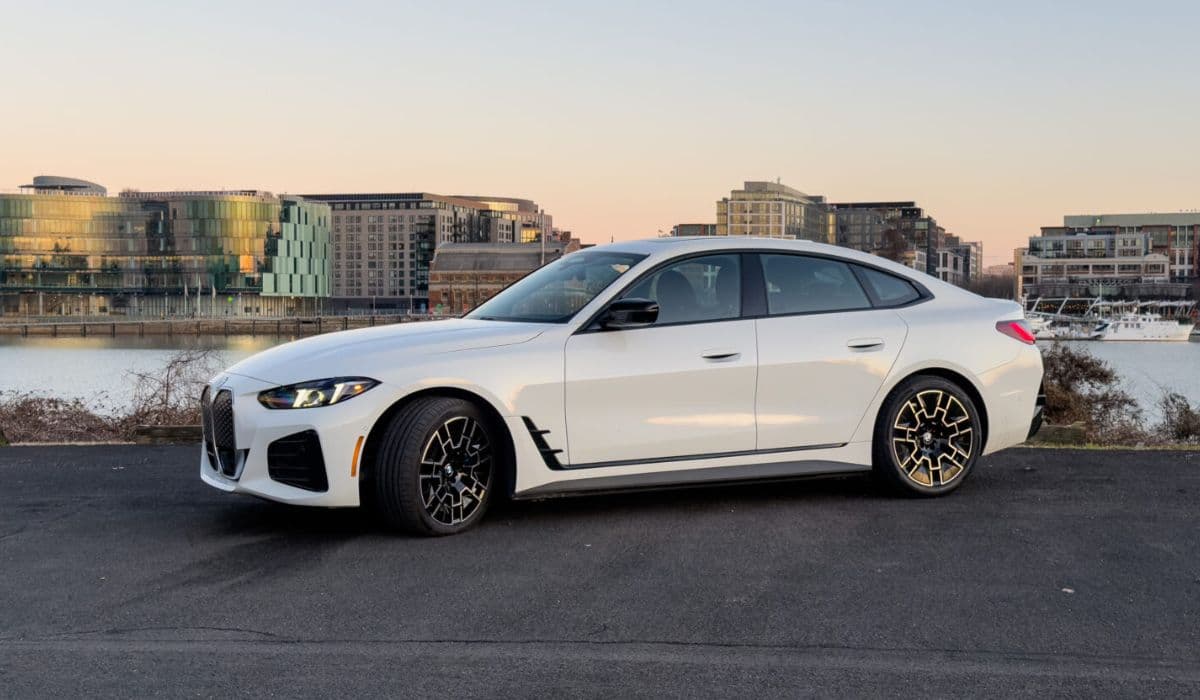
For decades, BMW has been celebrated for delivering exhilarating driving dynamics, precise handling, and unmistakable style. Yet when conversations turned to long-term dependability, the brand often faced skepticism. Recent data from Consumer Reports tells a markedly different story — BMW's reliability performance has improved significantly, surpassing many expectations and positioning the brand as a standout among European manufacturers.
This shift reflects years of focused engineering refinements, smarter component sharing across model lines, and a more conservative approach to major redesigns. The result? A lineup that balances thrilling performance with greater everyday dependability.
Why BMW's Reliability Reputation Is Changing
Consumer Reports' latest brand-level analysis places BMW among the top performers overall, frequently ranking it as the most reliable European marque. All current models earn average or better predicted reliability scores — a notable achievement in a segment where complex electronics, advanced driver aids, and performance-oriented powertrains can introduce potential weak points.
Several key factors drive this positive momentum:
Iterative rather than revolutionary updates — BMW avoids drastic overhauls that often bring unforeseen issues.
Shared component architecture — Engines, transmissions, and electronics benefit from proven, high-volume usage across the portfolio.
Targeted fixes to historical pain points — Cooling systems, fuel delivery, and certain electronic modules have seen meaningful improvements.
Strong performance in owner surveys — Real-world feedback shows fewer severe problems in critical areas compared with previous generations.
These elements combine to create vehicles that reward enthusiastic drivers without demanding constant attention.
Standout Models Leading the Reliability Charge
Several BMW models particularly shine in recent evaluations, demonstrating that performance and dependability can coexist effectively.
The compact sports sedan continues to impress with robust powertrains and fewer reported issues in electronics and drivetrain categories.
Midsize luxury SUVs show strong results, especially in body hardware, climate control, and major mechanical systems.
Entry-level crossovers benefit from conservative engineering updates, earning predictions of above-average reliability.
Coupes and convertibles maintain high marks, thanks in part to shared mechanicals with their more volume-oriented siblings.
Across the range, owners report declining complaints in areas that once drew criticism, such as electrical accessories, infotainment glitches, and minor trim issues.
The Role of Modern Technology in Reliability Gains
Advanced electronics and connectivity once posed reliability risks, but BMW's approach has evolved. The latest iDrive iteration proves more stable, with over-the-air updates resolving many concerns without dealer visits. Hybrid and plug-in variants also show progress, benefiting from refined battery management and thermal control systems.
Consumer Reports data indicates that while pure electric vehicles across the industry still lag in dependability, BMW's electrified offerings perform respectably within their category, with fewer charging and battery-related complaints than many rivals.
How BMW Compares to Other Luxury Brands
In head-to-head comparisons with German peers, BMW consistently emerges as the reliability leader among premium European brands. Several competitors face more frequent reports of climate system failures, in-car electronics quirks, and occasional powertrain concerns. This edge helps explain why BMW often ranks highest among luxury marques in owner satisfaction and long-term ownership studies.
Even against Japanese luxury stalwarts known for bulletproof reputations, BMW closes the gap significantly — especially when drivers prioritize engaging handling alongside solid dependability.
Practical Tips for Maximizing BMW Ownership
New owners can further enhance their experience with straightforward habits:
Follow the recommended maintenance schedule diligently, particularly for oil changes and brake fluid flushes.
Use genuine BMW parts for critical components like filters and fluids.
Take advantage of complimentary service plans and software updates when offered.
Address minor warning lights promptly to prevent small issues from escalating.
Consider extended coverage for peace of mind if planning very long-term ownership.
These simple steps build on the brand's engineering improvements, helping vehicles deliver years of enjoyable, trouble-free driving.
BMW's reliability story in 2025 represents one of the industry's most impressive turnarounds. What was once a common hesitation for potential buyers has become a genuine strength, backed by data from one of the most respected independent sources. For those seeking a blend of driving excitement, refined luxury, and reassuring dependability, today's BMW lineup offers a compelling — and increasingly dependable — choice.