BMW software updates bricking cars (OTA failures)
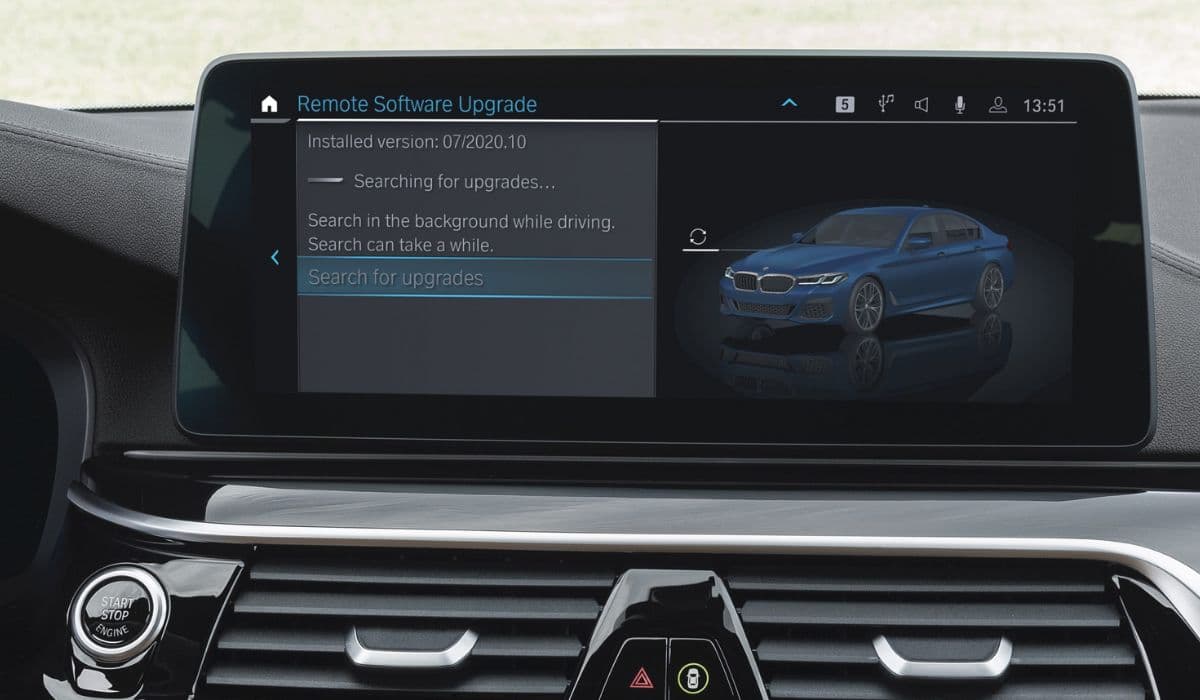
Modern BMW vehicles represent the pinnacle of automotive engineering, blending exhilarating performance with cutting-edge digital technology. Central to this experience is the Remote Software Upgrade (also known as OTA – Over-The-Air) system, which promises to keep your car current with new features, improved efficiency, enhanced driver assistance, and security patches — all without visiting a dealership.
Yet beneath this convenient promise lies a growing concern among owners: failed updates that render vehicles partially or completely inoperable — a situation commonly referred to as "bricking" the car.
The Allure and Promise of BMW OTA Updates
BMW has invested heavily in making software the heart of the driving experience. Through the My BMW App and the vehicle's iDrive system, owners can download and install updates that:
Refine infotainment responsiveness and graphics
Improve navigation accuracy and traffic handling
Optimize electric vehicle battery management and preconditioning
Enhance driving dynamics and chassis control algorithms
Fix known bugs in advanced driver assistance systems (ADAS)
Address minor emissions and efficiency parameters
When successful, these updates transform the ownership experience, often adding features that weren't available when the car was first purchased. The convenience is undeniable — new functionality arrives while the car sits in your driveway overnight.
How BMW OTA Updates Can Fail — Real-World Scenarios
Despite rigorous testing, OTA updates occasionally go catastrophically wrong. Owners have reported several distinct failure patterns:
Stuck or frozen download/installation — Progress bars halt at odd percentages (notably around 49%), with no further movement even after hours or days
Post-installation boot failure — The vehicle displays "Software Update Failed" followed by messages like "Drivetrain malfunction" or "Vehicle not ready to operate"
Key fob and security module rejection — After a failed update, the car refuses to recognize the key, activates immobilizer functions, and locks the owner out completely
Partial module corruption — Some systems (climate control, cameras, or parking sensors) become unresponsive while core driving functions remain partially operational
Complete electronic lockdown — In the worst cases, the parking brake cannot be released, gears cannot be engaged, and the vehicle becomes immovable without towing
These failures have affected various models, including popular electric and plug-in variants as well as conventional combustion-engine vehicles equipped with the latest iDrive generations.
Why Do These Bricking Incidents Occur?
Several technical factors contribute to these high-profile failures:
Unstable voltage during critical write operations — Modern vehicle electronics require extremely stable power. Even minor voltage drops (common during OTA installation periods that can last 20–60 minutes) can corrupt flash memory in control units
Interrupted data transfer — Poor cellular signal, Wi-Fi instability, or app glitches during the multi-stage download/install process can leave modules in inconsistent states
Complex multi-supplier software architecture — BMW vehicles contain dozens of electronic control units (ECUs) developed by different suppliers. When a new software package updates multiple modules simultaneously, compatibility issues can cascade into system-wide failures
Lack of robust rollback mechanisms — Unlike smartphones, many automotive systems have limited or no automatic recovery if an update is corrupted mid-process
Aggressive update scheduling — Some owners report that updates push through without sufficient warnings about prerequisites (battery charge level, stable connection, safe parking location)
These elements combine to create a perfect storm where convenience meets complexity — and occasionally ends in disaster.
Real Owner Experiences: From Minor Inconvenience to Major Headache
Forum discussions and owner reports paint a vivid picture of the frustration involved:
New vehicle owners sometimes find their pride-and-joy undrivable within weeks of delivery after attempting the first major OTA update
Drivers returning to their parked car discover it won't start, displays catastrophic warning messages, and requires immediate towing
In some documented cases, roadside assistance could only make the vehicle towable by temporarily disabling safety systems — a procedure not always successful
Multiple owners describe situations where the infotainment screen goes dark, remote services disconnect permanently, and the My BMW App loses communication with the vehicle
While not every update results in catastrophe, the severity of the worst cases — especially when they involve brand-new or recently leased vehicles — has left many owners deeply disappointed with the OTA promise.
What Should BMW Owners Do When Facing an Update Failure?
If your BMW becomes unresponsive or displays update-related error messages, follow these practical steps:
Do NOT attempt repeated restarts or battery disconnects — This can worsen module corruption in some situations
Document everything — Take photos/videos of error messages, note the exact software version, and record when the update was initiated
Contact BMW Roadside Assistance immediately — Many severe cases require professional intervention, often including towing to a dealership
Maintain battery health — Keep the 12V battery in excellent condition and consider using a maintainer during long update processes
Consider waiting before updating — Many experienced owners delay major updates by several weeks, monitoring forums for widespread reports of problems
Backup important settings when possible — Some personalization data can be lost during recovery procedures
Dealership technicians typically use specialized diagnostic equipment to reflash affected modules, though repair times vary from a few hours to several days depending on parts availability and module damage.
The Bigger Picture: Software as the New Frontier in Automobiles
As vehicles become more software-defined, the reliability of OTA updates will determine customer satisfaction more than ever before. BMW continues refining its processes, but the incidents highlight a universal challenge facing the entire industry: balancing innovation speed with rock-solid dependability.
For now, the promise of seamless, transformative updates remains tempered by the reality that — in rare but impactful cases — pressing "Install" can turn a dream car into an expensive paperweight awaiting professional rescue.