BMW vs Toyota/Honda reliability gap closing
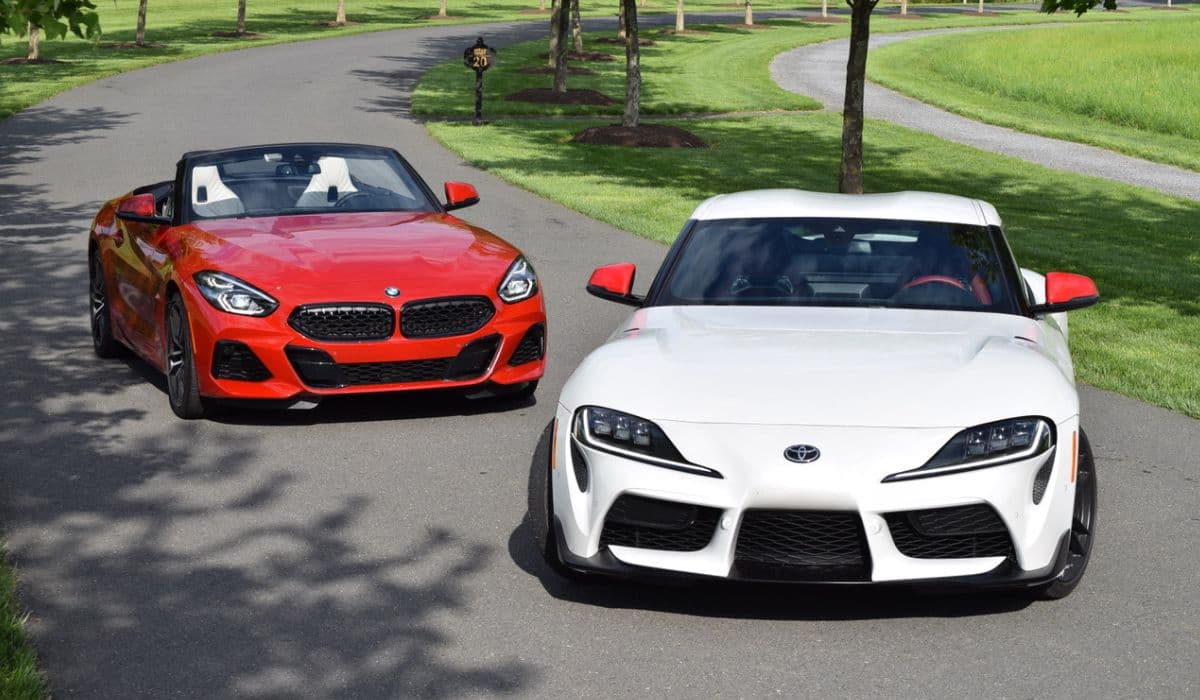
For decades, the automotive world has operated under a simple rule: if you want bulletproof dependability that laughs at high mileage and indifferent maintenance, you buy Toyota or Honda. If you want thrilling dynamics, precise handling, and premium feel, you choose BMW — and accept more frequent (and expensive) service visits as the trade-off.
That narrative, however, is being seriously challenged in recent years. Modern BMW models show remarkable progress in dependability metrics, while Toyota and Honda occasionally stumble after major redesigns. The once-massive gulf is narrowing faster than many enthusiasts expected.
Why Toyota and Honda Have Long Dominated Reliability Perceptions
Japanese brands built their reputation on a philosophy of over-engineering for durability rather than maximum performance:
Conservative powertrain designs that avoid pushing components to their limits
Simpler electronics and fewer luxury-driven features in base models
Exceptional build quality control and parts standardization across global factories
A corporate culture that treats small issues as major threats to brand integrity
These principles produced legends: million-mile Tacomas, Accords that refuse to die, and Camrys that become family heirlooms. Even today, high-mileage examples remain common sights on roads worldwide.
BMW's Traditional Reliability Challenges — and How They've Evolved
BMW's reputation for spotty dependability stemmed from several recurring patterns:
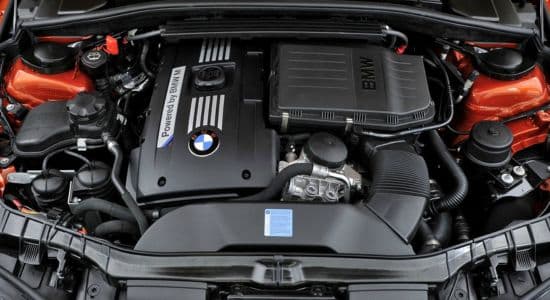
Complex turbocharged engines running high boost levels
Intricate cooling systems vulnerable to neglect
Electronics-heavy cabins prone to gremlins
Tight packaging that makes repairs more labor-intensive
However, the past several generations reveal systematic improvements:
The B58 inline-six and B48 four-cylinder engines proved far more robust than predecessors
Better sealing and material choices reduced oil leaks dramatically
Modular electrical architecture became more fault-tolerant
Manufacturing quality in plants worldwide reached new heights
Many current owners report driving modern BMWs past 100,000 miles with only routine maintenance — a scenario almost unthinkable two decades ago.
What Recent Dependability Data Actually Shows
Large-scale owner surveys tell a nuanced story. In the latest major reliability rankings:
Toyota continues leading overall brand scores
Honda maintains a very strong position among mainstream manufacturers
BMW has climbed into the top five — often sitting just behind or alongside Honda
This places the German brand as the highest-ranked European marque by a significant margin, frequently outperforming several Japanese and American competitors.
Individual model highlights further illustrate the shift:
Certain BMW 2 Series and 3 Series variants score near or above average in their classes
Toyota's redesigned models sometimes experience initial teething problems
Honda's post-refresh products occasionally dip before recovering
The gap that once measured 20–40 points in some indices has frequently shrunk to single digits.
Key Factors Driving BMW's Reliability Progress
Several strategic changes explain the upward trajectory:
Powertrain maturation — Newer turbo engines benefit from years of real-world refinement
Electronics discipline — BMW has become more conservative with software complexity in non-flagship models
Quality control investment — Higher standards at every assembly plant worldwide
Warranty experience feedback loop — Early problem identification leads to rapid running changes
Focus on core models — High-volume cars (3 Series, X3, X5) receive disproportionate engineering attention
These improvements are especially noticeable in vehicles built during the last five to seven years.
Areas Where Toyota and Honda Still Hold Clear Advantages
Despite BMW's gains, meaningful differences remain in several categories:
Long-term durability beyond 150,000 miles
Tolerance for deferred maintenance
Cost of routine upkeep and replacement parts
Simplicity of repairs for independent shops
Consistency across the entire model range
Japanese brands still deliver peace of mind for owners who plan to keep cars for 12–15 years with minimal intervention.
The New Reality for Luxury vs Mainstream Buyers
Today's choice increasingly depends on priorities rather than absolute reliability:
Want maximum driving engagement and prestige while accepting slightly higher service needs? Modern BMWs deliver more than ever before.
Prioritize ultimate set-it-and-forget-it ownership with rock-bottom long-term costs? Toyota and Honda remain the safest statistical bets.
Seek a balance between enjoyment and dependability? The gap has shrunk enough that many buyers now cross-shop these brands seriously.
The Bottom Line in 2025–2026
The old rule — "Toyota/Honda for reliability, BMW for driving pleasure" — is no longer black-and-white. BMW has made extraordinary strides, closing much of the dependability gap while preserving its dynamic soul. Toyota and Honda still hold advantages in absolute longevity and simplicity, but the margin is smaller than at any point in recent history.
For many buyers, the decision now comes down to lifestyle, driving style, and how much they truly value each extra point of reliability versus each extra degree of driving joy.