BMW X1: Affordable entry but maintenance warnings

The BMW X1 stands out in the compact luxury SUV segment as one of the most accessible ways to experience the brand's signature driving dynamics, premium interior quality, and unmistakable presence. With its sharp handling, refined cabin, and versatile size, it attracts buyers who want BMW ownership without committing to larger, more expensive models. Yet this accessibility comes with an important caveat: the X1 demands proactive care and realistic expectations about upkeep. Many owners discover that while the initial appeal is strong, the long-term experience heavily depends on maintenance diligence.
Why the X1 Feels Like an "Affordable" BMW Entry Point
The X1 delivers several premium features typically associated with higher-priced BMWs, making it feel like a smart gateway into the brand:
Exceptional driving refinement — precise steering, balanced chassis, and composed ride quality even on imperfect roads
High-quality interior materials and build — soft-touch surfaces, solid switchgear, and thoughtful ergonomics
Flexible practical layout — surprisingly spacious cabin for its class, with adjustable rear seats and generous cargo area when folded
Strong turbocharged performance — quick acceleration and responsive power delivery across the rev range
Modern technology integration — intuitive infotainment, advanced driver aids, and premium audio options
These qualities explain why many choose the X1 over mainstream compact crossovers, even when comparing similar equipment levels.
The Reality of BMW Maintenance Philosophy
BMW designs its vehicles with performance and engineering sophistication in mind, which naturally leads to higher maintenance requirements than mass-market brands. The X1 follows this pattern — it is not dramatically more expensive to maintain than other premium compact SUVs, but costs do exceed those of non-luxury alternatives. Regular service intervals, specialized parts, and the need for trained technicians contribute to the difference.
Key factors that influence long-term ownership costs include:
Use of high-performance components that wear faster under enthusiastic driving
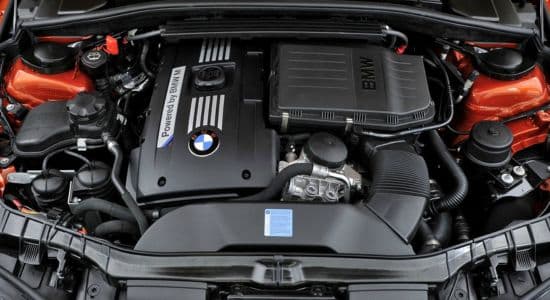
Complex turbocharged engines requiring precise oil quality and change intervals
Electronic systems that occasionally need software updates or module replacements
Suspension and brake setups tuned for sporty handling, leading to earlier replacement of wear items
Owners who follow BMW's recommended service schedule and use quality fluids/parts generally report reasonable experiences. Those who delay maintenance or use economy-grade consumables often face accelerated wear and bigger repair bills.
Most Common Maintenance Areas to Watch Closely
While the X1 has become increasingly dependable across generations, certain components deserve special attention:
Timing chain system — particularly in earlier turbo petrol engines; listen for any cold-start rattle and address tensioner/guide wear proactively to avoid catastrophic engine damage
Turbocharger health — watch for oil leaks, unusual whistling, power loss, or exhaust smoke; regular high-quality oil changes help prevent premature failure
Cooling system components — plastic parts (water pump, thermostat housing, expansion tank) can become brittle; monitor coolant levels and replace preventively around higher mileage
Oil leaks — common at valve cover gasket, oil filter housing, and turbo lines; small leaks often grow over time if ignored
Suspension wear — control arms, bushings, and ball joints experience accelerated wear on rough roads; listen for clunks and check alignment regularly
DPF (diesel models) — short-trip driving can lead to clogging and expensive regeneration or cleaning procedures; highway miles help significantly
Electrical gremlins — occasional battery drain, infotainment glitches, or sensor faults; software updates often resolve these issues
Most of these concerns become noticeable only after substantial mileage, especially when previous owners skimped on care.
How to Maximize Reliability and Minimize Surprises
Smart ownership practices make a huge difference with the X1. Consider these strategies:
Follow strict oil change intervals using BMW-approved synthetic oil (often shorter than mainstream recommendations)
Keep detailed service records — they help diagnose issues faster and support resale value
Choose independent BMW specialists over general shops once warranty expires — they often provide better value than dealers
Budget for preventive replacements — water pump, thermostat, and spark plugs at recommended intervals save money compared to roadside failures
Drive the car regularly on longer journeys — especially important for diesel variants to maintain DPF health
Invest in a diagnostic tool or app — early detection of small codes prevents major problems
Many long-term X1 owners report trouble-free experiences beyond 100,000 miles when these habits are followed consistently.
Who Should (and Shouldn't) Consider the X1
The X1 suits drivers who:
Prioritize driving enjoyment and premium feel over rock-bottom running costs
Are willing to invest in proper maintenance as part of the ownership experience
Plan to keep the vehicle long-term and value its blend of practicality and performance
It may be less ideal for those who:
Drive mostly short urban trips (especially diesels)
Want the absolute lowest possible five-year ownership expenses
Prefer a "set it and forget it" vehicle with minimal intervention
Final Thoughts on Living with the X1
The BMW X1 offers genuine luxury-SUV appeal at a more approachable level than larger models in the lineup. Its blend of agility, refinement, and everyday usability remains highly attractive. However, it rewards informed, proactive owners far more than those hoping to treat it like a mainstream crossover. Approach it with open eyes about its maintenance needs, maintain it diligently, and the X1 can deliver years of satisfying, engaging motoring.