BMW X3 styling controversy and interior quality drop
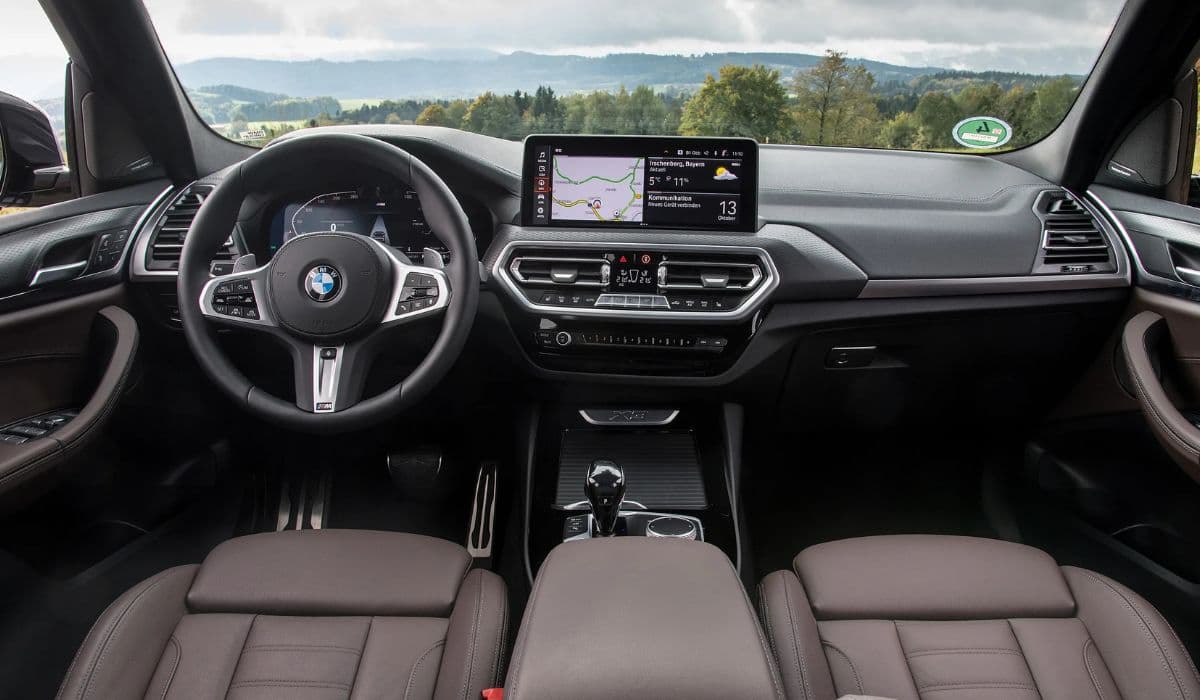
The BMW X3 has long been a benchmark in the compact luxury SUV segment, blending sporty driving dynamics with practical everyday usability. However, the latest generation has sparked unusually heated discussions among enthusiasts, owners, and automotive journalists. Two aspects stand out as particularly divisive: the bold exterior styling direction and a noticeable shift in interior material choices and overall perceived premium feel. This article dives deep into both controversies, exploring why they have generated such strong reactions.
The Exterior Design Divide: Bold Evolution or Polarizing Overreach?
BMW's design language has become increasingly assertive in recent years, and the current X3 represents one of the most dramatic applications of this philosophy. The front end features oversized kidney grilles that dominate the face, flanked by sharp, arrow-shaped headlights that create an almost aggressive expression.
Critics argue this approach sacrifices the balanced, athletic proportions that made previous X3 generations instantly recognizable as BMWs. Many describe the new look as overly busy or trying too hard to appear futuristic, with some comparing it unfavorably to more cohesive designs from competitors.
On the positive side, supporters point out that the design delivers strong road presence. In certain colors and lighting conditions, the sculpted lines and muscular stance can appear confident and modern. The rear, with its angular taillights and pronounced diffuser, continues this theme of sharp geometry.
Key points of contention regarding the exterior styling include:
The sheer size and prominence of the grille — love it or hate it, it defines the car's character
Loss of the elegant, understated athleticism found in earlier models
A design that feels more "statement-making" than timeless
Polarization that splits owners: some see it as necessary evolution, others as a misstep
This split reaction has turned the X3 into one of the most debated designs in BMW's current lineup, with opinions often formed within seconds of first sight.
The Interior Quality Debate: Minimalism or Cost-Cutting in Disguise?
Perhaps even more controversial than the exterior is the interior of the latest X3. BMW has embraced a highly minimalist, screen-centric cockpit, dominated by a large curved display that integrates both instrument cluster and infotainment functions. While the technology itself receives praise for its responsiveness and customization options, the materials and tactility have come under heavy scrutiny.
Many long-time BMW owners and cross-shoppers note a clear step back in perceived quality compared to the previous generation. Hard plastics appear in areas that frequently come into contact with hands, elbows, and knees — door cards, lower dashboard sections, and center console sides being the most frequently mentioned offenders.
Additional changes compound the perception of a downgrade:
Replacement of traditional physical controls with capacitive touch panels (door lock, seat memory functions)
Removal of certain comfort features that were standard before, such as an opening panoramic roof
Elimination of ambient lighting in the rear cabin
Greater use of piano black and matte plastic surfaces that show fingerprints easily
These elements create a cabin that feels significantly less luxurious at first touch than what many expect from a BMW in this price category. Reviewers and owners often describe it as "bleak," "basic," or "disappointingly ordinary" for daily interaction.
Why the Shift Feels So Pronounced
The previous X3 generation had built a reputation for solid fit-and-finish, soft-touch surfaces in most key areas, and a sense of solidity that justified its premium positioning. Owners frequently praised the tactile quality of switches, the pleasing weight of controls, and the overall "built-to-last" impression.
The latest model, by contrast, prioritizes visual drama, advanced technology, and a cleaner, more digital-first aesthetic. This philosophy works well in some BMW models, but in the X3 — a volume seller positioned as an accessible entry into the brand — the execution has left many feeling shortchanged.
Some observers speculate that resources were allocated heavily toward powertrain improvements, screen technology, and exterior presence, leaving less budget for traditional premium materials. Others see it as part of a broader industry trend toward cost optimization in the face of electrification investments and rising production expenses.
Owner and Expert Reactions
Feedback from forums, reviews, and dealership interactions shows a clear pattern. Many prospective buyers walk away after sitting inside, citing the interior as the deal-breaker despite appreciating the driving experience. Dealership staff report frequent comments about the cabin feeling "cheap" or "gimmicky," with some customers opting for rival vehicles that maintain more conventional luxury cues.
Even among those who purchase the new X3, opinions remain split. Enthusiasts who prioritize driving feel, infotainment speed, and bold design often defend the changes, arguing that the backlash is overblown and that material perception improves with specific color combinations and higher-spec upholstery.
Still, the volume and intensity of criticism suggest BMW may have underestimated how much owners valued the previous generation's traditional premium execution.
The Broader Implications for BMW's Compact SUV
The X3 has historically been one of BMW's strongest-selling models worldwide, appealing to both driving enthusiasts and family buyers. The current controversy raises questions about how far the brand can push design and material choices without alienating its core audience.
While the vehicle delivers impressive refinement on the move, refined engines, and a spacious cabin, the styling and interior decisions have created a rare moment of doubt around a model that once enjoyed near-universal praise.
As the X3 continues its lifecycle, it will be fascinating to watch whether customer feedback influences future updates — or if the bold direction proves to be a gamble that eventually wins broader acceptance.