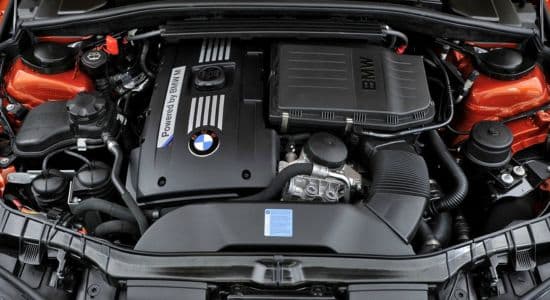
BMW X3 styling controversy and interior quality drop
The BMW X3 has long been a staple in the luxury compact SUV segment, evolving from its debut in 2003 as a rugged yet refined crossover. Early models emphasized practicality with a boxy silhouette that prioritized functionality over flair, appealing to drivers seeking a blend of performance and utility. By the second generation in 2010, BMW refined the aesthetics, introducing smoother lines and a more aggressive stance that aligned with the brand's "Ultimate Driving Machine" ethos. The third generation, launched in 2017, marked a significant leap with sleeker proportions, advanced LED lighting, and an aerodynamic profile that boosted efficiency without sacrificing the signature kidney grille.
However, the fourth-generation 2025 BMW X3, codenamed G45, represents a bold departure. BMW aimed to infuse the model with futuristic elements, drawing inspiration from its electric lineup like the iX. This shift incorporates sharper angles, a more pronounced front end, and integrated mild-hybrid technology across all powertrains. The chassis remains largely unchanged in dimensions but features a wider track for improved stability, along with additional underbody braces for enhanced rigidity. Critics note that these updates prioritize aerodynamics, achieving a lower drag coefficient, but at the potential cost of visual harmony. The redesign includes new infotainment systems and driver-assist features, yet the core debate centers on whether these changes enhance or detract from the X3's heritage.
The Divisive Exterior Styling Elements in the 2025 Model
At the heart of the BMW X3 styling controversy lies the front fascia, particularly the enlarged kidney grille. BMW amplified this design element, making it both vertical and diagonal, a move that echoes the polarizing grilles on the latest M3 and 7 Series. Leaked images in June 2024 sparked immediate backlash, with enthusiasts comparing the grille to an oversized nose that dominates the vehicle's face. The side profile draws criticism for incorporating iX-inspired vibes, including unconventional wheel arch designs that some describe as bulky and disjointed. The rear end, with its high-drama taillights and bulky proportions, has been likened to the infamous "Bangle butt" from earlier controversial BMW designs, but amplified for modern tastes.
BMW justified these choices by emphasizing aerodynamic efficiency. The 2025 X3's shape reduces wind resistance, contributing to better fuel economy and range in hybrid variants. For instance, the xDrive30 model achieves improved highway mileage thanks to these tweaks. Yet, detractors argue that the pursuit of efficiency has led to a loss of elegance. Online forums and social media erupted with comments labeling the design as "ugly" or "backwards," with some users speculating that BMW's designers were intentionally provocative. The M50 variant, with its sportier accents, attempts to mitigate this by adding quad exhaust tips and bolder wheels, but even here, the overall silhouette divides opinions. Sales figures from late 2024 and early 2025 suggest a mixed reception, with some markets showing hesitation compared to the outgoing model's popularity.
Aerodynamic Priorities Versus Aesthetic Appeal
BMW's focus on aerodynamics in the 2025 X3 isn't without merit. The redesigned bodywork, including flush door handles and optimized underbody panels, lowers the coefficient of drag to levels competitive with electric vehicles. This translates to real-world benefits, such as reduced noise at highway speeds and enhanced stability during cornering. The wider track and revised suspension geometry further improve handling, maintaining the X3's reputation for dynamic driving. However, critics contend that these functional gains come at the expense of visual cohesion. The front grille's size, for example, isn't just stylistic—it's engineered to improve airflow to the engine and cooling systems—but many feel it overwhelms the headlights and bumper, creating an unbalanced look.
Comparisons to competitors like the Audi Q5 or Mercedes-Benz GLC highlight the divide. While those models opt for evolutionary updates with subtle refinements, BMW's aggressive approach risks alienating loyalists. Enthusiast threads point out that previous generations struck a better balance, with the 2017-2024 X3 praised for its timeless appeal. The 2025 model's color options and wheel designs offer some customization, but core elements like the grille remain fixed, fueling ongoing debates about whether BMW is innovating or merely experimenting.
Shifts in Interior Materials and Build Quality
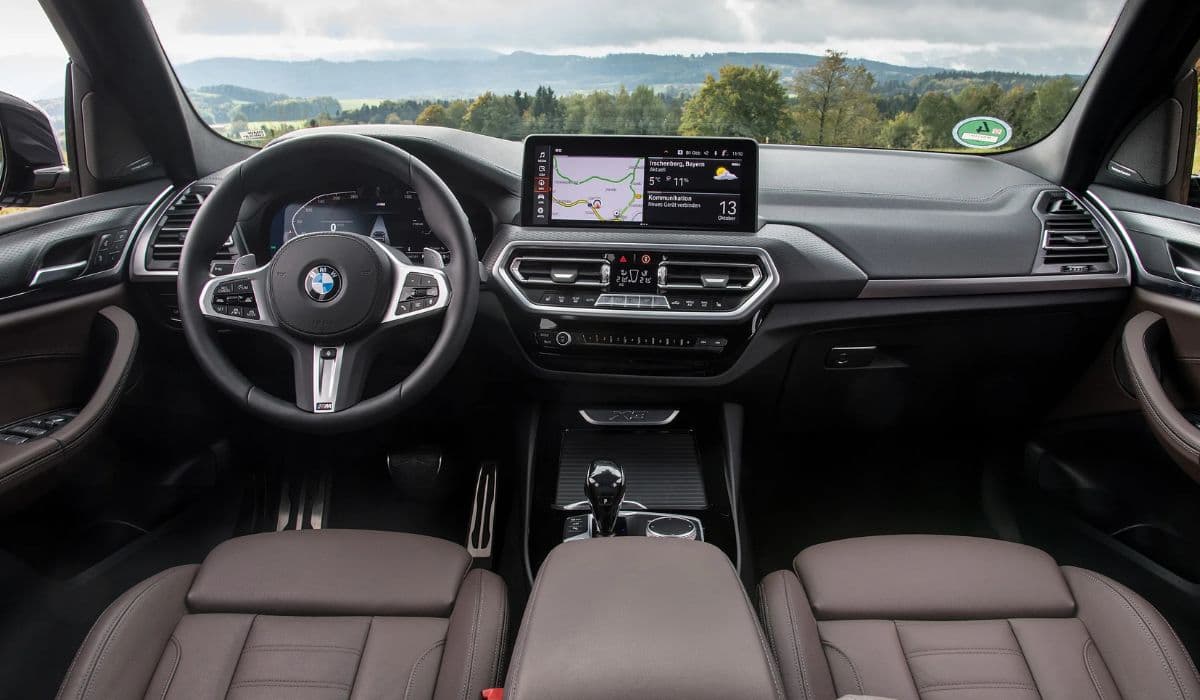
Turning inward, the BMW X3 interior quality drop has become a focal point of criticism for the 2025 model. Previous generations were lauded for premium cabins featuring soft-touch surfaces, genuine leather, and meticulous craftsmanship. In contrast, the new X3 introduces a minimalist layout dominated by a large curved display that integrates the instrument cluster and infotainment system. While this setup offers crisp resolution and intuitive iDrive software, the surrounding materials have drawn ire for feeling downgraded.
Hard plastics abound, particularly on door panels, dashboard tops, and center consoles, which critics describe as scratchy and cheap. The door handles, once metallic and substantial, now feel like injected-molded plastic reminiscent of entry-level vehicles. Seats in base models use leatherette that lacks the suppleness of prior genuine leather options, leading to complaints of flat contours and inadequate support during long drives. Even in higher trims like the M50, the interior feels bleak, with vast expanses of black materials creating a somber atmosphere. Reviewers note undamped clacking sounds from switches and a general sense of cost-cutting, despite the vehicle's luxury positioning.
Ergonomics and Technology in the Cabin
The 2025 X3's interior prioritizes digital integration, eliminating many physical buttons in favor of touchscreen controls. This includes climate adjustments and media functions, which some drivers find distracting while on the move. Voice commands and gesture controls aim to compensate, but reliability varies. Storage solutions remain practical, with ample cubbies and a spacious cargo area, but the overall build evokes comparisons to non-luxury brands. For instance, some owners liken the cabin to a loaded Honda Civic or Toyota Corolla, questioning BMW's premium pricing.
Assembly quality isn't entirely compromised—there are few reports of rattles or creaks—but the tactile experience disappoints. The steering wheel and gear selector retain some premium feel, yet surrounding elements like the glovebox and armrests fall short. Ambient lighting and optional crystal accents add flair, but they can't mask the perceived decline. Long-term tests reveal that while the seats are comfortable for short trips, extended use highlights the lack of bolstering, potentially leading to fatigue.
Feedback from Owners and Automotive Critics
Owner forums and reviews paint a vivid picture of discontent. On platforms like Reddit and Bimmerpost, users express shock at the interior's "appalling" plastics, with one commenter stating it makes the X3 feel like a step down from even mid-range competitors. Critics from outlets like Jalopnik and Forbes echo this, describing the cabin as a "black hole of leatherette" and a "big downgrade." Exterior styling fares no better, with threads debating the grille's dominance and rear end's bulkiness. Some praise the performance— the xDrive30's turbocharged engine delivers smooth power, and the M50's acceleration is thrilling—but aesthetics and quality overshadow these positives.
Professional reviews highlight specifics: Edmunds notes the interior is "good, not great," with complaints about plastics during long-term use. Car and Driver appreciates the chassis tweaks but criticizes the divisive looks. YouTube walkthroughs amplify these views, with creators pointing out the lack of buttons and material shortcomings. Despite this, a minority defends the design, appreciating its boldness and aero benefits, suggesting it's tailored for younger buyers or those prioritizing tech over tradition.
BMW's Design Philosophy and Market Implications
BMW's approach with the 2025 X3 reflects a broader strategy of pushing boundaries, as seen in models like the XM and iX. The company argues that controversial designs generate buzz and differentiate in a crowded market. Aerodynamic focus aligns with sustainability goals, supporting mild-hybrid systems that reduce emissions. However, the interior quality drop raises questions about cost management amid rising production expenses. BMW has introduced the electric iX3 as an alternative, which shares the platform but offers a more futuristic cabin, potentially addressing some criticisms.
Market response will dictate adjustments. Early sales dips in certain regions suggest buyers are opting for rivals or holding onto older X3s. BMW may respond with mid-cycle refreshes, refining the grille or upgrading materials. For now, the controversy underscores a tension between innovation and heritage, challenging the brand to balance bold moves with customer expectations.
Performance Aspects Amid Styling Debates
Beyond looks, the 2025 X3 excels in driving dynamics. The xDrive system provides confident all-wheel traction, and suspension tuning balances comfort with agility. Engine options include a 2.0-liter turbo in the xDrive30, producing 255 horsepower, and a 3.0-liter in the M50 with 389 horsepower. Mild-hybrid tech adds torque for smoother acceleration and better efficiency. Braking and steering remain precise, upholding BMW's sporty reputation. Yet, even here, the styling controversy intrudes—some drivers report the bold front end affects visibility, though adaptive headlights mitigate this.
Interior tech shines with wireless Apple CarPlay, Android Auto, and advanced driver aids like lane-keeping assist. Over-the-air updates ensure longevity, but the touchscreen-heavy interface demands adaptation. Cargo space expands to 62.7 cubic feet with seats folded, maintaining practicality for families.
Comparing the X3 to Competitors in the Segment
Against the Audi Q5, the X3's styling stands out as more polarizing, while the Q5 offers understated elegance and superior interior materials. The Mercedes-Benz GLC boasts richer cabins with ambient features that outshine BMW's efforts. Performance-wise, the X3 holds an edge in handling, but rivals counter with hybrid options and better fuel economy. Pricing starts around $47,000 for the base X3, climbing to over $60,000 for loaded models, positioning it competitively yet vulnerable to perceptions of diminished value.
Owners weighing upgrades often cite the previous generation's superior quality, suggesting BMW's changes risk eroding loyalty. As the segment evolves with electrification, the X3's controversies may influence future designs, prompting a reevaluation of priorities.