BMW X3 tire noise and ride quality complaints
BMW consistently stands out in Consumer Reports evaluations, particularly when it comes to how owners feel about their vehicles after months or years behind the wheel. In the latest assessments, the brand secures a strong position in owner satisfaction, often ranking near the top among luxury marques and even competing closely with mainstream leaders. This metric goes beyond mere reliability numbers—it captures the emotional connection drivers develop with their cars, reflecting enjoyment, pride of ownership, and the desire to choose the same model again if given the opportunity.
What makes BMW shine in this category is the blend of engineering precision and driver-focused design that creates lasting enthusiasm. Owners frequently highlight the thrill of precise steering, responsive acceleration, and balanced handling that make everyday drives feel engaging rather than routine. Unlike vehicles that prioritize comfort alone, BMW models deliver a sense of involvement that keeps drivers smiling mile after mile.
Why Owner Satisfaction Matters More Than Ever
Owner satisfaction surveys from Consumer Reports ask a direct question: considering all factors—performance, comfort, styling, reliability, and overall experience—would you buy the same vehicle again? For BMW, the answer is overwhelmingly positive across much of the lineup. This feedback comes from thousands of real-world owners who live with their cars daily, providing insights that lab tests alone cannot capture.
High satisfaction scores indicate that BMW delivers on its promise of "the ultimate driving machine." Drivers appreciate how the brand balances sporty dynamics with practical usability. Whether navigating city streets or cruising highways, the cars feel composed and confident. This emotional reward often outweighs minor inconveniences, leading to strong loyalty and enthusiastic recommendations.
Key Factors Driving BMW's High Satisfaction Scores
Several elements contribute to why BMW owners report such high levels of contentment:
Engaging Driving Dynamics — BMW's signature rear-wheel-drive layout (or intelligent all-wheel-drive systems) provides sharp handling and precise feedback. Owners love the way the cars respond to inputs, making even mundane commutes feel rewarding.
Premium Interior Quality — Thoughtful materials, ergonomic controls, and intuitive technology create a luxurious environment. Many praise the supportive seats that remain comfortable during long journeys and the quiet cabin that enhances refinement.
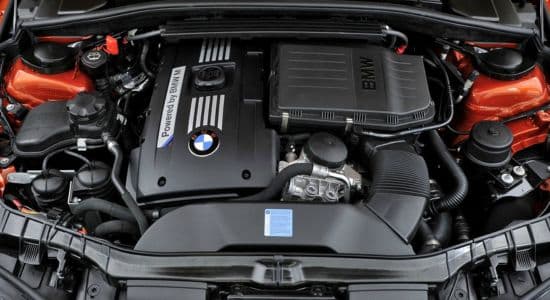
Powerful Yet Efficient Powertrains — Turbocharged engines deliver eager performance without excessive fuel consumption. Options like plug-in hybrids add versatility, allowing owners to enjoy electric driving for short trips while retaining the brand's signature power when needed.
Distinctive Styling and Presence — BMW's bold designs stand out on the road, fostering a sense of pride. Owners often mention receiving compliments and feeling elevated by their choice.
Advanced Technology Integration — Modern infotainment systems, driver-assistance features, and connectivity keep the experience fresh. While some controls require adaptation, most owners find them rewarding once mastered.
These aspects combine to create ownership experiences that feel special rather than ordinary, explaining the brand's strong performance in satisfaction metrics.
Standout Models in Owner Satisfaction
Certain BMW models particularly excel in making owners eager to repeat the experience:
The 3 Series remains a benchmark for sports sedans. Its nimble chassis, refined power, and compact proportions deliver pure driving joy. Owners rave about the car's agility in corners and the satisfying engine note that encourages spirited drives without sacrificing daily comfort.
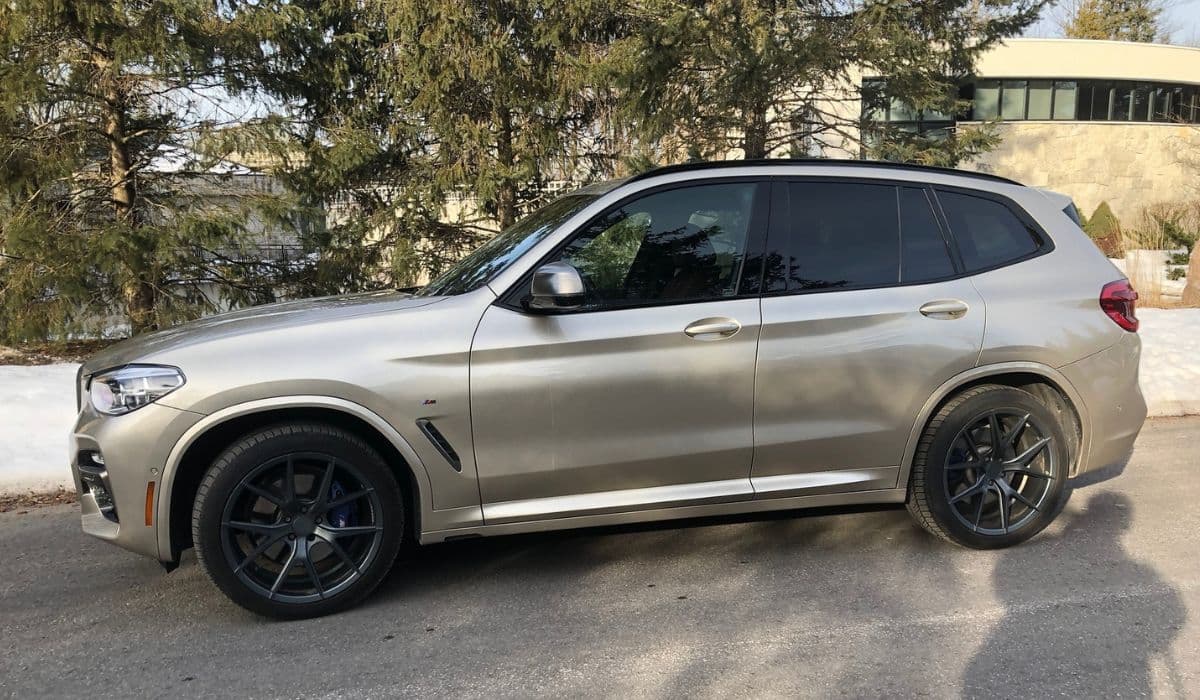
The X3 and X5 SUVs impress with their blend of versatility and athleticism. These models handle like smaller cars despite their size, offering confident road manners, spacious interiors, and efficient power delivery. Families appreciate the practicality, while enthusiasts value the dynamic edge.
Electric and hybrid variants, such as the i4 and plug-in options in the X series, surprise owners with instant torque and smooth operation. Many report higher satisfaction than expected, citing quiet cabins, low running costs, and the thrill of one-pedal driving.
Across these models, a common theme emerges: BMW creates vehicles that grow more appealing with time rather than losing their appeal.
How BMW Compares to Other Luxury Brands
In the luxury segment, BMW frequently outpaces competitors in owner satisfaction. While some brands emphasize ultra-luxurious isolation or cutting-edge features, BMW prioritizes driver involvement. This approach resonates with those who view their car as an extension of their personality rather than just transportation.
Compared to rivals, BMW owners report higher enthusiasm for long-term ownership. The brand's focus on balanced performance—without excessive complexity—helps maintain positive sentiment even as vehicles age. This contrasts with some luxury competitors where advanced tech occasionally leads to frustration or where comfort overshadows engagement.
The Lasting Appeal of BMW Ownership
The high owner satisfaction rankings reflect more than temporary excitement. They point to vehicles engineered for enduring enjoyment. BMW drivers often describe a deepening appreciation over time: the way the steering becomes second nature, how the seats mold perfectly after thousands of miles, or the confidence inspired by predictable handling in all conditions.
This loyalty stems from thoughtful design decisions that prioritize the human element. BMW understands that a great car does more than get you from point A to point B—it enhances the journey. The combination of performance heritage, modern refinement, and genuine driver connection keeps satisfaction levels elevated year after year.
For anyone seeking a vehicle that delivers both objective excellence and subjective delight, BMW's strong showing in Consumer Reports owner satisfaction rankings offers compelling evidence. The brand continues to prove that driving passion and everyday usability can coexist beautifully.