BMW X5 drivetrain failure and battery issues review
The BMW X5 stands as one of the most capable luxury SUVs on the market, blending dynamic handling, powerful engines, and premium comfort. However, even this sophisticated vehicle has its share of recurring challenges, particularly related to the drivetrain system (including xDrive all-wheel drive components) and electrical/battery performance. Owners frequently report warning messages that disrupt daily driving, sometimes escalating to reduced power or complete no-start conditions. This in-depth review explores the most common drivetrain malfunctions and battery-related problems, their typical symptoms, underlying causes, and practical approaches to diagnosis and resolution.
Understanding Drivetrain Malfunction Warnings
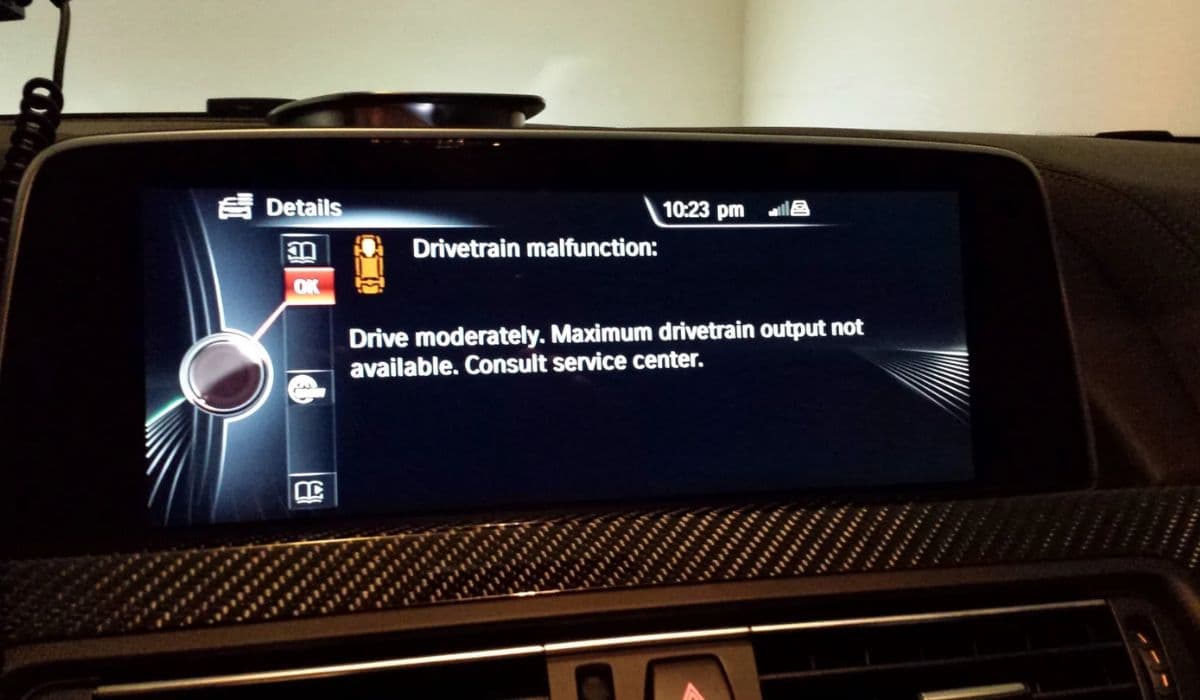
The infamous "Drivetrain Malfunction" message — often accompanied by phrases like "Drive moderately" or "Maximum drivetrain output not available" — ranks among the most frequently discussed issues. This warning can appear as a yellow caution (still driveable with reduced performance) or escalate to a red "Stop" alert that demands immediate attention.
Common triggers include:
Misfires in one or more cylinders — frequently tied to failing ignition coils, spark plugs, or fuel injectors
Sensor failures — camshaft/crankshaft position sensors, oxygen sensors, or mass airflow sensors sending incorrect data
Transmission or gearbox glitches — rough shifting, hesitation, or software-related communication errors
xDrive system faults — problems within the transfer case or related electronics
In many cases, the warning clears temporarily after a restart, only to return under load or after parking in cold weather. This intermittent nature frustrates owners, as the issue often disappears during dealer visits, delaying proper diagnosis.
Transfer Case and xDrive System Challenges
The xDrive all-wheel-drive system relies heavily on the transfer case to distribute torque between front and rear axles. While generally robust, it can develop serious problems when neglected.
Typical symptoms of transfer case trouble:
Juddering or binding during acceleration or low-speed turns
Vibration felt through the floor or steering wheel, especially when cornering
Hesitation or slipping sensation during takeoff
Noisy operation — whining or grinding from underneath the vehicle
Many failures stem from inadequate maintenance. BMW labels the transfer case fluid as "lifetime," but experts strongly recommend changing it every 60,000–80,000 miles. Contaminated or low fluid accelerates wear on internal chains, clutches, and gears.
Another major contributor involves mismatched tires. Even slight differences in tread depth, brand, or size force the transfer case to constantly compensate, leading to premature failure. Owners who rotate tires irregularly or mix run-flat and non-run-flat tires often face the highest risk.
Battery Drain and Electrical Gremlins
Battery-related complaints rank second only to drivetrain warnings. The "Increased Battery Discharge" or "High Battery Drain" message frequently appears after short trips, cold weather exposure, or prolonged inactivity.
Key culprits behind excessive drain:
Parasitic current draw — faulty modules (especially telematics/TCU, infotainment, or climate control units) that fail to enter sleep mode
Intelligent Battery Sensor (IBS) issues — this sensor monitors battery health and can malfunction, causing improper charging
Alternator problems — failing to fully recharge the battery during operation
Water pump (on certain engines) — continues running after shutdown, preventing the car from sleeping
Hybrid-specific components (in plug-in models) — high-voltage battery management faults or integrated electric pump failures
Parasitic drain often reveals itself when the vehicle sits for a few days, leaving owners with a completely dead battery despite recent replacement. Cold temperatures exacerbate the problem by reducing battery efficiency while increasing electrical demand from various systems.
Hybrid Variants: Where Drivetrain Meets Battery
Plug-in hybrid X5 models (especially xDrive45e/50e variants) combine combustion and electric powertrains, creating unique failure patterns. The "Drivetrain Malfunction" message frequently pairs with hybrid-specific errors, such as:
Electric mode restrictions — sudden switch to SAVE mode or inability to drive purely on battery
High-voltage battery management faults — communication errors with the integrated electric pump
Power supply warnings — progressing from drivetrain alerts to complete no-start conditions
These issues often appear early in ownership, sometimes within the first few thousand miles. Hybrid complexity amplifies the risk: a minor sensor glitch in the electric system can cascade into full drivetrain warnings.
Diagnostic Steps and Prevention Strategies
When facing these issues, start with proper diagnostics rather than guessing. Recommended steps include:
Scan for fault codes using a professional BMW-specific tool (ISTA/D or equivalent)
Perform a parasitic draw test to measure current when the vehicle is asleep
Check transfer case and differential fluid condition/level
Verify all four tires match in size, brand, and tread depth
Update vehicle software — many intermittent warnings resolve with ECU reprogramming
Test the battery and charging system under load
Preventive maintenance dramatically reduces risks:
Change transfer case and differential fluids proactively
Replace spark plugs and coils at recommended intervals
Use a battery maintainer during long periods of inactivity
Address any small leaks or warning lights immediately
Keep tire pressures and alignments correct
Early intervention often prevents minor glitches from evolving into expensive repairs. Many owners discover that regular attention to these known weak points transforms the X5 into a remarkably dependable luxury performer.