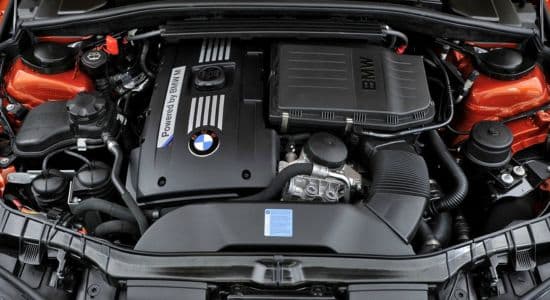
BMW X5 drivetrain failure and battery issues review
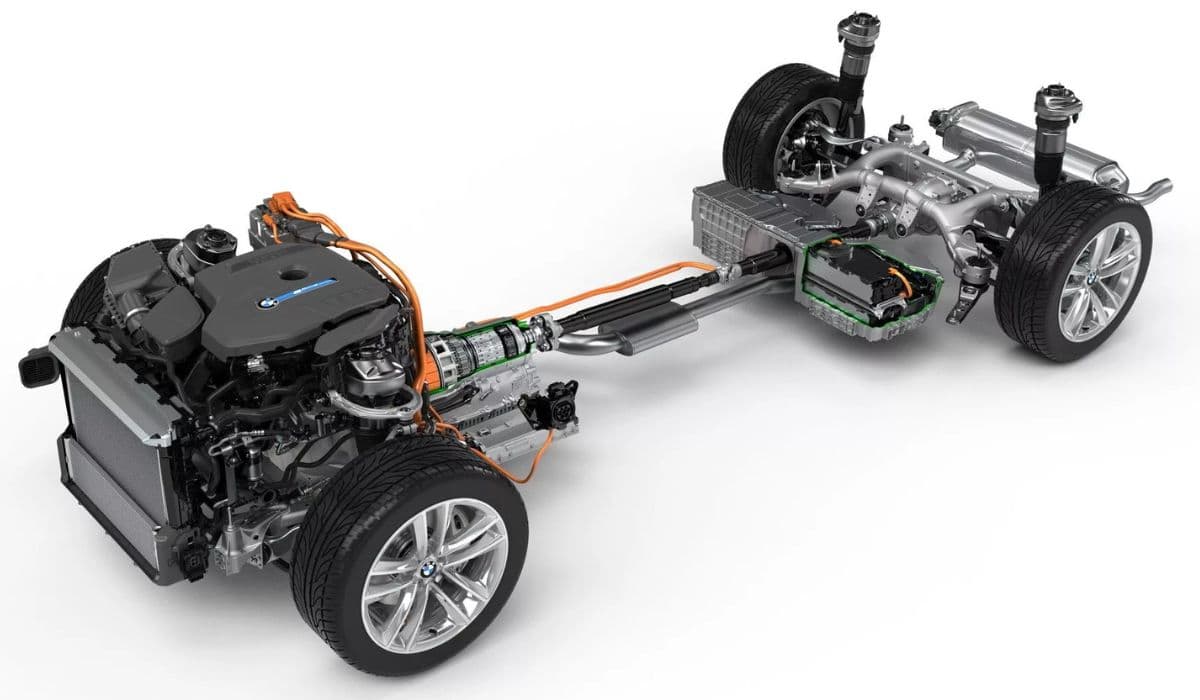
The BMW X5 has long been celebrated for its blend of luxury, performance, and versatility, but certain generations have drawn scrutiny for recurring drivetrain and battery-related problems. These issues predominantly affect models equipped with the xDrive all-wheel-drive system, particularly from the E70 (2007-2013), F15 (2014-2018), and more recent G05 (2019-present) series. Hybrid variants, such as the xDrive40e, xDrive45e, and xDrive50e plug-in hybrids (PHEVs), are especially prone to these complications due to their complex integration of electric and combustion powertrains.
In the G05 lineup, including the 2024 and 2025 models, owners have reported drivetrain malfunctions shortly after purchase, sometimes within the first few hundred miles. For instance, new 2025 X5 50e owners have encountered sudden warnings that limit engine performance, often linked to transmission glitches or sensor failures. Older E70 models frequently suffer from transfer case wear, while F15 hybrids face accelerated battery degradation. These problems aren't isolated; class-action lawsuits have highlighted defects in xDrive transfer cases across multiple years, potentially affecting thousands of vehicles and leading to repair bills exceeding $13,000 in severe cases.
Hybrid models amplify vulnerabilities because their drivetrains must seamlessly switch between electric and gasoline modes, putting extra strain on components like the electric motor, high-voltage battery, and transmission. Non-hybrid diesel and gasoline variants, such as the xDrive35i or xDrive50i, also experience issues, but hybrids account for a disproportionate share of complaints due to their intricate electronics.
Identifying Drivetrain Malfunctions
Drivetrain malfunctions in the BMW X5 often manifest through dashboard warnings that can alarm even seasoned drivers. The most common alert is the "Drivetrain Malfunction" message, which may appear in yellow (indicating drivable but reduced power) or red (requiring immediate attention). This warning is triggered by the vehicle's onboard diagnostic system detecting irregularities in components like the transfer case, differential, or driveshaft.
Owners describe symptoms such as unusual grinding or whining noises during acceleration or deceleration, particularly in over-run conditions where the vehicle coasts without throttle input. In hybrid models, a loud clunking sound might accompany mode switches, suggesting problems with the electric drive integration. Reduced acceleration, hesitation during gear shifts, or the vehicle entering limp mode—where top speed is capped and power is curtailed—are frequent indicators. For xDrive-equipped X5s, uneven power distribution to the wheels can cause vibrations or a sensation of the drivetrain "binding" on turns.
In extreme cases, complete loss of propulsion occurs, as reported in some 2024 X5 instances where the vehicle refuses to move after the warning. These malfunctions are more prevalent in cold weather or after prolonged idling, exacerbating wear on seals and fluids. Data from owner forums and repair databases show that models with over 100,000 miles are at higher risk, but brand-new vehicles aren't immune, pointing to potential manufacturing inconsistencies.
Root Causes of Drivetrain Problems
Delving into the underlying causes reveals a mix of mechanical wear, electrical faults, and design limitations. The transfer case, a core component in xDrive systems, is a primary culprit. It distributes power between front and rear axles but can fail due to fluid leaks, worn internal gears, or chain stretch. In a class-action suit targeting xDrive models, plaintiffs allege defective transfer cases that crack or seize, often without prior warning, leading to costly replacements.
Electrical issues compound these problems, especially in hybrids where the drivetrain relies on sensors, actuators, and control modules. Faulty wiring harnesses, particularly those routed near the battery or exhaust, can corrode or break, interrupting signals and triggering malfunctions. Low battery voltage is a surprisingly common trigger; when the main 12-volt battery dips below optimal levels, it can cause erratic behavior in the drivetrain electronics, mimicking more severe failures.
In PHEV variants like the xDrive50e, high current demands during electric mode accelerate component degradation. Overheating in the transmission or electric motor, often due to inadequate cooling, leads to fluid breakdown and seal failures. Turbocharged engines in models like the xDrive50i add another layer, where improper turbo boost transfer can strain the drivetrain. Contaminated transmission fluid from infrequent changes or aggressive driving habits further erodes gears and clutches, turning minor issues into major breakdowns.
Battery System Vulnerabilities in BMW X5
Battery issues in the BMW X5 span both conventional 12-volt systems and high-voltage packs in hybrids, creating a spectrum of reliability concerns. In non-hybrids, parasitic electrical draws—where accessories like infotainment systems or modules fail to power down—lead to rapid battery drain. Owners of E70 and F15 models often wake to dead batteries after short periods of inactivity, with warnings like "High Battery Drain" appearing on startup.
Hybrid models introduce more complexity with their lithium-ion high-voltage batteries, typically ranging from 9-20 kWh. The xDrive45e and xDrive50e suffer from accelerated degradation, where cells inflate or lose capacity after as little as 150,000 km. Despite active thermal management, high current rates in EV mode—supporting a powerful drivetrain with a relatively small battery—cause four times faster wear compared to full EVs. Real-world reports show batteries dropping to 38% charge overnight despite plugging in, or failing to hold charge above 92-97%, indicating module imbalances.
Aging auxiliary batteries, which manage start-stop functions and electronics, exacerbate problems. In some cases, a dead auxiliary battery (often undiscovered for years) drains the main battery, leading to drivetrain warnings. Water intrusion in battery packs, especially in older models, causes isolation faults and communication errors, as seen in diagnostics with codes like BMS_w027 or BMS_f110.
Symptoms Indicating Battery Failures
Battery failures announce themselves through subtle and overt signs that can overlap with drivetrain issues. A classic symptom is the vehicle struggling to start, with dimming lights or clicking sounds from the starter. In hybrids, erratic charging behavior—such as slow or incomplete charges, or unexpected range drops—signals degradation. Dashboard alerts for low voltage or charging faults are common, sometimes accompanied by fluctuating usable capacity.
Parasitic drains manifest as batteries dying overnight, even when fully charged the day before. Owners report "Heavy Battery Draw" messages, particularly after the car sits unused for hours. In PHEVs, swollen cells or leaks might produce unusual odors or visible bulging under the vehicle. Performance dips, like reduced electric-only range or hesitation in hybrid mode, point to battery health decline. Cold weather amplifies these, as low temperatures reduce efficiency and highlight weak cells.
Diagnostic Methods for Drivetrain and Battery Issues
Accurate diagnosis is crucial to avoid unnecessary repairs. Start with a OBD-II scanner to pull fault codes; common ones include those for transfer case actuators (e.g., P17E8) or battery management system errors (BMS_f050). For drivetrain problems, a road test can replicate symptoms, while lifting the vehicle allows inspection of fluid levels, leaks, and component wear.
Battery diagnostics involve multimeter checks for voltage (ideally 12.6V at rest) and load testing to assess capacity. In hybrids, specialized tools measure cell voltages and isolation resistance to detect imbalances or water ingress. Pressure tests on battery packs reveal leaks, and thermal imaging spots overheating in drivetrain parts. Professional scans using BMW's ISTA software provide deeper insights, tracing electrical faults to specific modules or harnesses.
Repair Strategies and Associated Costs
Repairing these issues varies in complexity and expense. For drivetrain failures, transfer case replacement can cost $5,000-$13,000, including labor, though rebuilding might halve that. Sensor or actuator fixes are cheaper, around $500-$1,500. Wiring harness repairs, often under the battery, run $300-$800 if caught early.
Battery replacements hit harder in hybrids; a new high-voltage pack for an xDrive45e exceeds €11,000 ($12,000 USD), not including installation. Conventional 12-volt batteries are affordable at $200-$400, but diagnosing parasitic draws adds $100-$300 in shop time. Auxiliary battery swaps cost similarly. In some cases, software updates or resets resolve electronic glitches for under $200.
Opting for independent specialists over dealerships can save 20-30%, but warranty coverage—up to 8 years/100,000 miles for hybrids—might offset costs if applicable.
Maintenance Practices to Mitigate Risks
Proactive care extends the BMW X5's lifespan and curbs these failures. Regular fluid changes—transmission and transfer case every 30,000-50,000 miles—prevent breakdowns. Monitor battery health with annual tests, and replace every 4-5 years. For hybrids, avoid full discharges and use preconditioning to manage temperatures.
Inspect wiring and seals during services, especially in harsh climates. Gentle driving reduces strain on hybrids, while software updates address known glitches. Parking in garages minimizes cold exposure, and using a trickle charger combats drains. Following these steps can transform potential headaches into reliable performance.