High repair costs for BMW: Worth it or nightmare?
BMW repair costs remain one of the most hotly debated topics in the automotive world. Enthusiasts often defend the brand with passion, claiming you pay for exceptional driving dynamics and engineering excellence. At the same time, many former owners share horror stories of unexpectedly large service bills that made them question their life choices.
The reality lies in a very wide gray zone — and where exactly your personal experience falls depends on several crucial factors.
Why BMW Maintenance Is Genuinely More Expensive
BMW has always positioned itself as an engineering-driven brand, and that philosophy comes with a price tag that extends far beyond the showroom.
Here are the main structural reasons:
Extremely complex multi-link aluminum suspensions that offer superb handling but wear expensive components faster
Widespread use of electronic dampers, active steering, and adaptive systems requiring specialized diagnostics
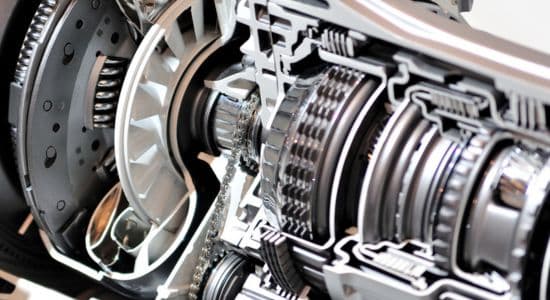
Engines with advanced (and complicated) valve timing systems like Valvetronic and Double-VANOS
Cooling systems heavily relying on plastic components in high-temperature zones
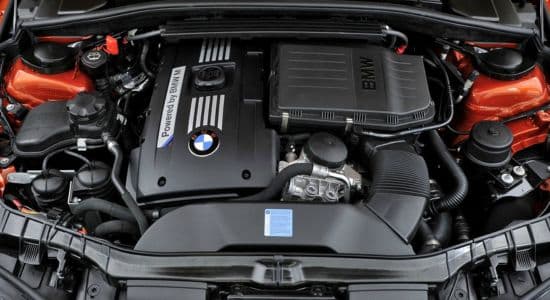
Tight engine bays where even basic jobs require partial disassembly of front end or intake manifold
Significantly higher margins on genuine parts compared to mass-market brands
Necessity of proprietary diagnostic software and special tools for many procedures
These factors create a noticeably higher cost baseline — even when nothing catastrophic happens.
When High Repair Bills Are Actually Justified
Surprisingly, in several scenarios premium maintenance costs feel completely reasonable:
You regularly enjoy the car's full performance potential — track days, mountain roads, spirited driving
The vehicle is kept long-term (10+ years) and you want to preserve factory driving character
You value the unique BMW driving feel so much that you consider maintenance part of the ownership experience
The car is relatively young (first 4–6 years) and still mostly covered by warranty or extended service plans
You mostly drive highway miles with occasional enthusiastic sessions rather than constant stop-and-go city traffic
In these cases, higher costs are simply the natural consequence of owning a very capable, high-performance machine.
Classic Expensive Weak Points That Scare Most Owners
Some components and engines have earned particularly notorious reputation among BMW owners. Here are the most frequently mentioned pain points:
Plastic water pumps and thermostat housings that crack and cause rapid overheating
Valve cover and oil filter housing gasket leaks requiring extensive disassembly
Timing chain stretching combined with plastic guide failure (especially on certain turbocharged four- and six-cylinder engines)
High-pressure fuel pump failures on direct-injection engines
Electric power steering racks that often require complete replacement
Transfer case issues on xDrive models after 120–180 thousand km of hard use
VANOS solenoid and Valvetronic eccentric shaft sensor failures
Expensive electronic modules (footwell module, junction box, head units) that tend to fail after 8–12 years
Knowing these typical weak points in advance allows owners to plan and budget much more effectively.
Practical Strategies to Make BMW Ownership Much Less Painful
Many experienced owners significantly reduce the financial sting without sacrificing too much of the original character:
Choose engines and model years that have proven better long-term reliability
Perform thorough pre-purchase inspection with proper BMW-specific diagnostic equipment
Use high-quality aftermarket components from respected manufacturers for non-critical systems
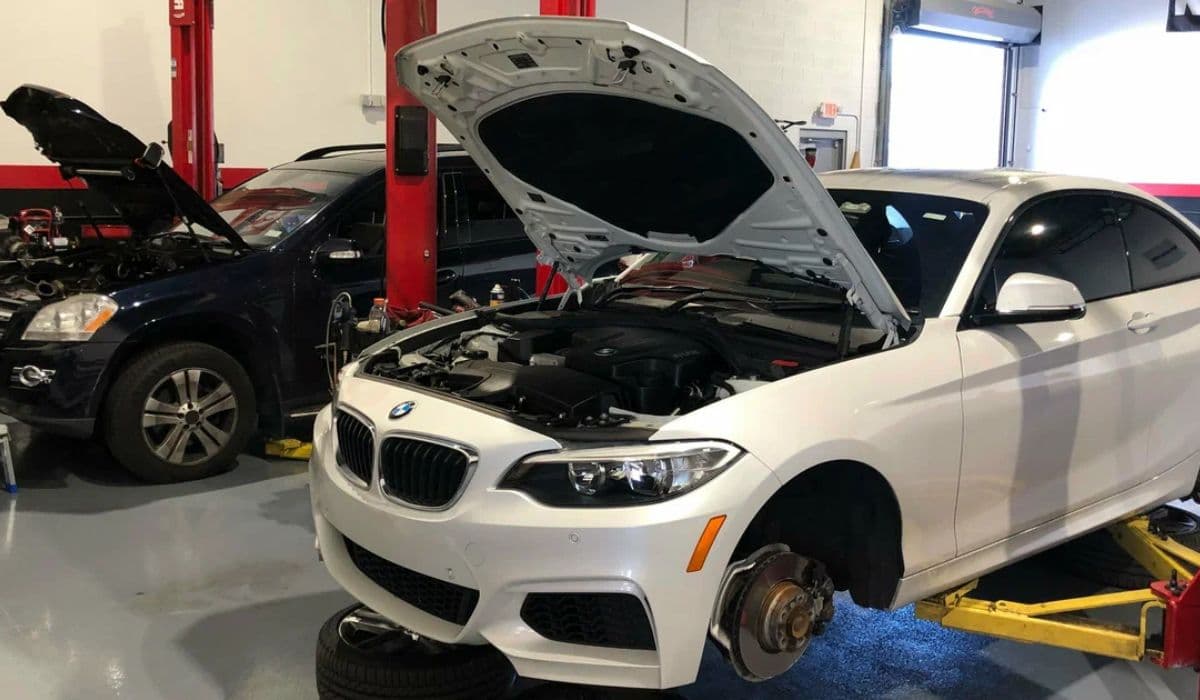
Find a reputable independent BMW specialist who knows the common failure patterns
Maintain the car proactively — change fluids more frequently than factory recommendations
Keep a dedicated "BMW maintenance fund" separate from regular budget
Avoid heavily modified examples unless you are prepared for accelerated wear
These steps can cut ownership costs by 40–60% compared to the "dealer + only genuine parts" approach.
The Psychological Side of Premium Ownership
Beyond pure numbers there exists a very important emotional component.
Some people genuinely love the feeling of owning something special and are willing to pay the price for it. For them, occasional large repair bills become part of the story they tell with a smile.
Others experience constant low-level stress, always waiting for the next expensive surprise. For this second group even moderate repair costs can feel unbearable because of the psychological weight of uncertainty.
Who Should Probably Look at Different Brands
Certain categories of drivers are much better off choosing alternatives:
People who want to spend minimal time and money on car maintenance
Owners with very strict and limited monthly automotive budget
Drivers living in areas with very few qualified independent specialists
Those who plan to keep the same vehicle for 12–15+ years without a large financial buffer
People who hate uncertainty and prefer predictable ownership costs
For these drivers, the mismatch between expectations and reality is usually the biggest source of disappointment.
High repair costs for BMW are neither complete myth nor absolute certainty. They represent the price of admission to one of the most engaging and rewarding driving experiences available on public roads.
Whether that price feels justified or turns into a nightmare depends primarily on your expectations, driving style, model choice, maintenance approach, and financial philosophy.
The most satisfied BMW owners are usually those who clearly understand what they are signing up for — and embrace it as part of the complete package.