Overall BMW ownership 2025: Precision driving vs high costs
BMW has long epitomized the blend of luxury, performance, and engineering excellence, but in 2025, the landscape of ownership reveals a stark dichotomy. On one hand, the brand's commitment to precision driving continues to captivate enthusiasts with responsive handling, powerful engines, and cutting-edge dynamics. On the other, escalating costs—from initial purchase to long-term maintenance—pose significant challenges for potential buyers. This article delves into the multifaceted experience of owning a BMW in 2025, exploring how the thrill of the drive stacks up against the financial realities. With advancements in electrification and autonomous tech reshaping the lineup, understanding these elements is crucial for anyone considering a BMW as their next vehicle.
The Essence of BMW's Precision Driving Dynamics
At the heart of BMW ownership lies the unparalleled precision driving experience, a hallmark that sets the brand apart from competitors. In 2025, models like the refreshed 3 Series and M4 Competition exemplify this with their rear-wheel-drive bias, adaptive M suspension, and variable-ratio steering systems. These features deliver razor-sharp cornering and immediate throttle response, making every drive feel like a symphony of engineering. For instance, the 3 Series' inline-six turbocharged engine produces up to 382 horsepower in the M340i variant, allowing for 0-60 mph acceleration in under 4 seconds while maintaining composure on winding roads.
BMW's xDrive all-wheel-drive system, available on most models, enhances traction without compromising the fun-to-drive ethos. Owners often praise the balanced chassis tuning, which prioritizes driver feedback over sheer comfort. In urban settings, the precise steering helps navigate tight spaces effortlessly, while highway cruising benefits from active dampers that adjust in real-time to road conditions. However, this precision comes from meticulous engineering, including lightweight materials like carbon fiber-reinforced plastics in high-performance trims, which contribute to agile handling but also influence repair complexities.
Enthusiasts in 2025 appreciate integrations like the iDrive 8.5 system, which pairs with augmented reality head-up displays to provide real-time driving aids. These tech enhancements amplify the precision feel, allowing drivers to push limits safely. Yet, for daily commuters, this focus on sportiness might translate to a firmer ride compared to softer rivals like Mercedes-Benz, emphasizing BMW's "Ultimate Driving Machine" philosophy.
Technological Innovations Shaping 2025 BMW Models
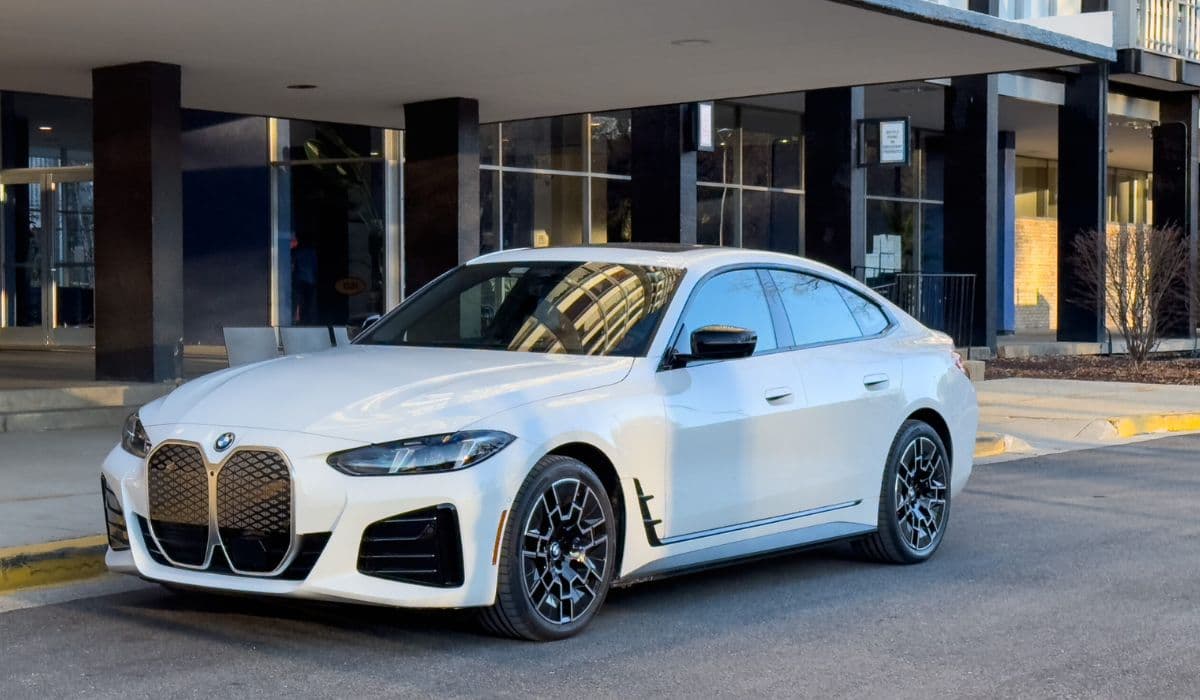
BMW's 2025 lineup integrates groundbreaking technology that elevates the ownership experience beyond traditional driving. The shift toward electrification is prominent, with the i4 Gran Coupe offering up to 536 horsepower from dual electric motors and a range exceeding 300 miles on a single charge. This model's instant torque delivery enhances precision driving, providing seamless acceleration without the lag of internal combustion engines. Advanced battery management systems ensure consistent performance, even in varying temperatures, addressing common EV concerns.
Autonomous features have evolved significantly, with Level 2+ driver assistance in vehicles like the 5 Series, including hands-free highway driving via the Driving Assistant Professional package. Sensors and AI algorithms predict road hazards, adjusting speed and lane position with pinpoint accuracy. The curved display setup, combining a 12.3-inch instrument cluster and 14.9-inch infotainment screen, offers intuitive controls that minimize distractions, allowing drivers to focus on the road's nuances.
Connectivity plays a pivotal role, with over-the-air updates keeping software current without dealership visits. MyBMW app integration enables remote preconditioning, vehicle locating, and even digital key sharing. For performance-oriented owners, models like the XM hybrid SUV incorporate adaptive air suspension and active roll stabilization, borrowed from motorsport tech, to maintain flat cornering at high speeds. These innovations not only boost driving precision but also introduce efficiencies, such as regenerative braking that recaptures energy during deceleration, subtly offsetting some operational costs.
Breaking Down the Purchase Price Spectrum
Entering BMW ownership in 2025 demands a substantial upfront investment, reflecting the brand's premium positioning. Entry-level models like the 2 Series Coupe start around $38,000, offering a gateway to precision driving with a turbocharged four-cylinder engine delivering 255 horsepower. Mid-range options, such as the 4 Series Gran Coupe, hover between $45,000 and $60,000, depending on trims and options like the M Sport package, which adds aerodynamic enhancements and sportier interiors.
Higher-end vehicles escalate quickly: the 7 Series sedan begins at over $95,000, featuring opulent amenities like massaging seats and a 31-inch rear theater screen. Electric variants command premiums; the iX SUV starts at $87,000, justified by its futuristic design and sustainable materials. Customization options abound, with packages for laser headlights, premium audio from Bowers & Wilkins, or carbon-ceramic brakes pushing totals well into six figures for M models.
Financing and leasing remain popular, with BMW Financial Services offering competitive rates around 3-5% APR for qualified buyers. However, regional variations apply—California incentives for EVs can reduce effective costs through rebates up to $7,500 under federal programs. Despite these, the initial outlay often deters budget-conscious buyers, especially when comparing to mainstream brands like Toyota, where similar-sized vehicles cost half as much.
Navigating Maintenance and Repair Expenses
One of the most debated aspects of BMW ownership is the elevated maintenance costs, which can accumulate rapidly post-warranty. In 2025, BMW's standard warranty covers four years or 50,000 miles, including complimentary scheduled maintenance for the first three years or 36,000 miles. This covers oil changes, brake inspections, and fluid top-ups, providing initial peace of mind.
Beyond that, routine services like oil changes average $150-$250 at authorized dealers, using synthetic oils tailored to high-performance engines. Brake pads and rotors, wearing faster due to aggressive driving dynamics, might cost $800-$1,500 per axle. Specialized components, such as the VANOS variable valve timing system in gasoline models, require expert handling, often exceeding $1,000 for repairs.
Electric models like the i5 introduce different challenges: battery diagnostics and high-voltage system checks add to service bills, though fewer moving parts mean less frequent interventions. Owners report annual maintenance averaging $1,000-$2,000, higher than competitors like Audi due to BMW's proprietary parts. Dealership networks, while extensive, charge premiums; independent shops can save 20-30%, but risk voiding warranties if not certified.
Unexpected repairs amplify costs—turbocharger failures in performance variants can reach $3,000-$5,000. Proactive measures, like extended warranties up to $4,000 for additional coverage, mitigate risks, but underscore the financial commitment required to sustain that precision driving edge.
Fuel Efficiency and Operational Expenditures
Fuel and energy costs form another layer of BMW ownership expenses in 2025, influenced by model choices amid rising global energy prices. Gasoline-powered vehicles, such as the X3 SUV, achieve around 25-30 mpg combined, thanks to efficient turbo engines and mild-hybrid tech in select trims that boost efficiency by 10-15%. However, premium fuel requirements—91 octane or higher—add $0.20-$0.50 per gallon over regular, leading to annual fuel bills of $2,000 for 12,000 miles.
Electrified options shine here: the iX boasts efficiency equivalent to 80-90 MPGe, translating to charging costs of $500-$800 yearly at average U.S. electricity rates of $0.15/kWh. Home Level 2 chargers, costing $500-$1,000 to install, enable convenient overnight recharges, though public fast-charging sessions at $0.40/kWh can double expenses for frequent travelers.
Hybrid models like the 330e plug-in offer the best of both, with 20-30 miles of electric-only range before switching to gasoline, achieving 70-80 MPGe in mixed use. Environmental regulations in 2025 push BMW toward lower emissions, with features like auto start-stop and eco modes optimizing consumption. Still, for high-mileage drivers, these efficiencies may not fully offset the premium pricing, especially in regions with volatile fuel markets.
Insurance Premiums and Safety Considerations
Insurance represents a notable ongoing cost for BMW owners, often 20-50% higher than average vehicles due to repair expenses and performance appeal. In 2025, full coverage for a 3 Series might range from $1,500-$2,500 annually, depending on driver history, location, and deductibles. Factors like advanced safety tech—adaptive cruise control, automatic emergency braking, and blind-spot monitoring—can qualify for discounts up to 15% from insurers like Geico or Progressive.
BMW's strong safety ratings from IIHS and NHTSA, with top scores in crash tests for models like the 5 Series, help temper premiums. However, theft rates for desirable M variants elevate costs in urban areas. Bundling with home insurance or opting for higher deductibles can reduce bills, but owners must weigh this against potential out-of-pocket expenses for minor incidents.
Telematics programs, integrated via the MyBMW app, track driving habits for personalized rates, rewarding safe, precise driving. Overall, while safety features enhance the ownership experience, they don't entirely alleviate the financial burden of insuring a luxury performance vehicle.
Resale Value and Long-Term Financial Viability
BMW vehicles in 2025 maintain robust resale values, a silver lining amid high costs. Models like the 4 Series depreciate around 40-50% over five years, better than many luxury peers, thanks to enduring demand for their driving dynamics. Electric variants, bolstered by growing EV adoption, retain value exceptionally well—the i4 often holds 60-70% of MSRP after three years.
Factors influencing resale include mileage, condition, and market trends; well-maintained examples with full service history fetch premiums. BMW Certified Pre-Owned programs extend warranties, boosting buyer confidence. However, rapid tech advancements can accelerate obsolescence for older infotainment systems.
For investors, leasing provides flexibility, with residuals around 50-60% ensuring predictable end-of-term values. Trading in for newer models minimizes losses, but high initial costs mean ownership requires careful financial planning to realize long-term benefits.
Community Insights and Real-World Experiences
BMW ownership fosters a vibrant community, where forums like Bimmerfest and Reddit's r/BMW share tips on maximizing precision driving while managing costs. Owners in 2025 highlight joys like track days with M models, where active differentials and torque vectoring shine, but caution against underestimating tire wear—performance rubber can cost $1,000 per set every 20,000 miles.
Daily drivers appreciate reliability improvements, with 2025 engines featuring reinforced components to handle higher outputs. Yet, anecdotes of electronic glitches in early EV adopters underscore the need for software updates. Regional differences matter: European owners benefit from denser service networks, while U.S. counterparts face higher parts shipping fees.
Enthusiast modifications, from ECU tunes to exhaust upgrades, enhance driving but can void warranties and inflate insurance. Ultimately, the community consensus affirms that the exhilaration of BMW's precision often justifies the premiums for those passionate about automotive excellence.