What to Do After a Car Accident?
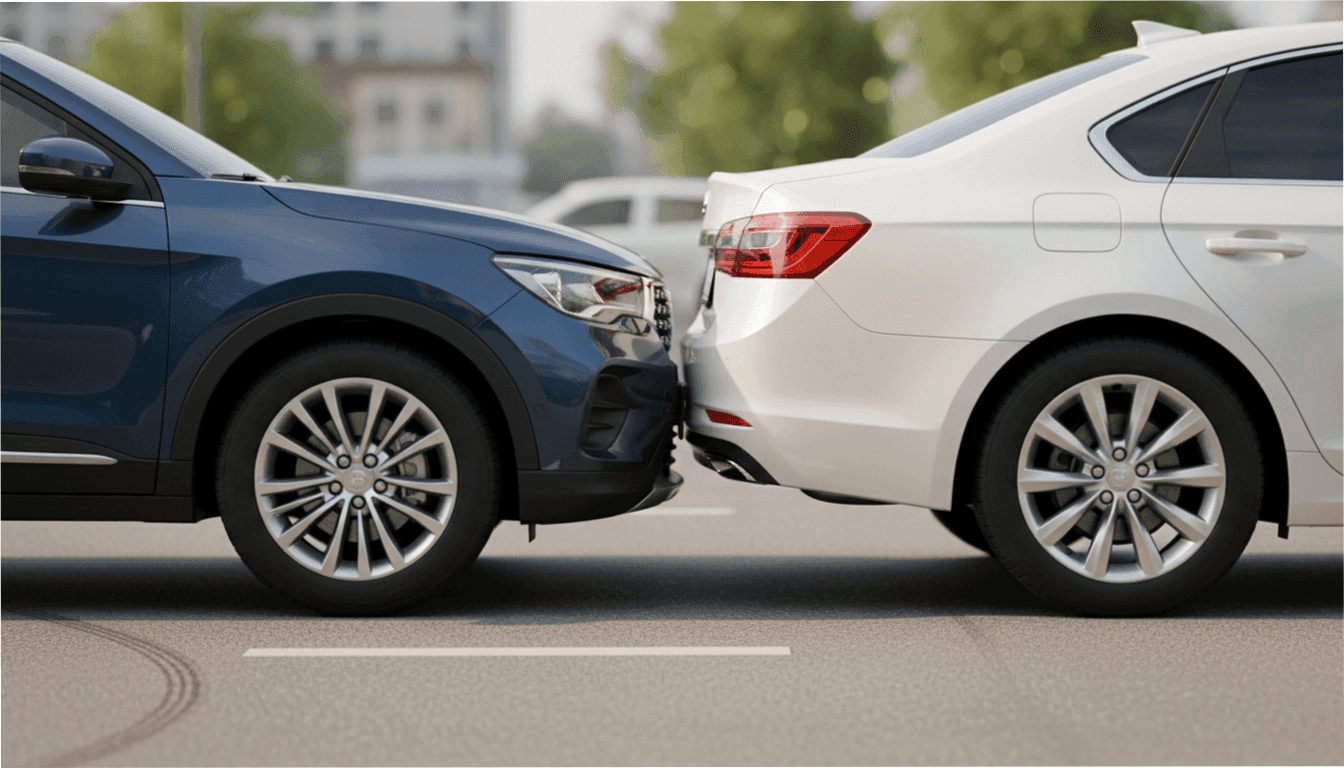
Getting into a car accident can shake anyone up, turning a routine drive into a chaotic ordeal. Whether it's a minor fender-bender or something more serious, knowing the right steps can make all the difference in protecting your safety, rights, and wallet. This guide breaks down the essentials, from immediate actions to long-term considerations, drawing on insights from traffic safety experts and legal pros. We'll cover a practical checklist, key legal tips, and common pitfalls to avoid, helping you navigate the aftermath with confidence.
Prioritizing Safety First
The moments right after a collision are critical. Your top priority should always be ensuring everyone's well-being before anything else. If the vehicle is drivable and it's safe, move it out of traffic to prevent further incidents. Turn on hazard lights to alert other drivers. If the car is damaged or in a hazardous spot, stay inside with seatbelts on until help arrives.
Check yourself and passengers for injuries. Even if nothing feels wrong immediately, adrenaline can mask pain—concussions or internal issues might not show up right away. If anyone is hurt, don't try to move them unless there's an immediate danger like fire. Call for medical help promptly; delaying could worsen conditions.
In terms of legal obligations, dialing 911 is mandatory in many areas if there are injuries, significant property damage (often over $1,000), or if the accident blocks traffic. Even without visible harm, it's wise to report if alcohol or drugs seem involved, as this protects you from hit-and-run scenarios or disputes later.
Contacting Authorities and Reporting the Incident
Once safety is secured, involve the police. In most U.S. states, you're required to report accidents involving injury, death, or substantial damage—thresholds vary, but think $500 to $2,000 depending on the location. Skipping this step can lead to fines or complications with insurance claims.
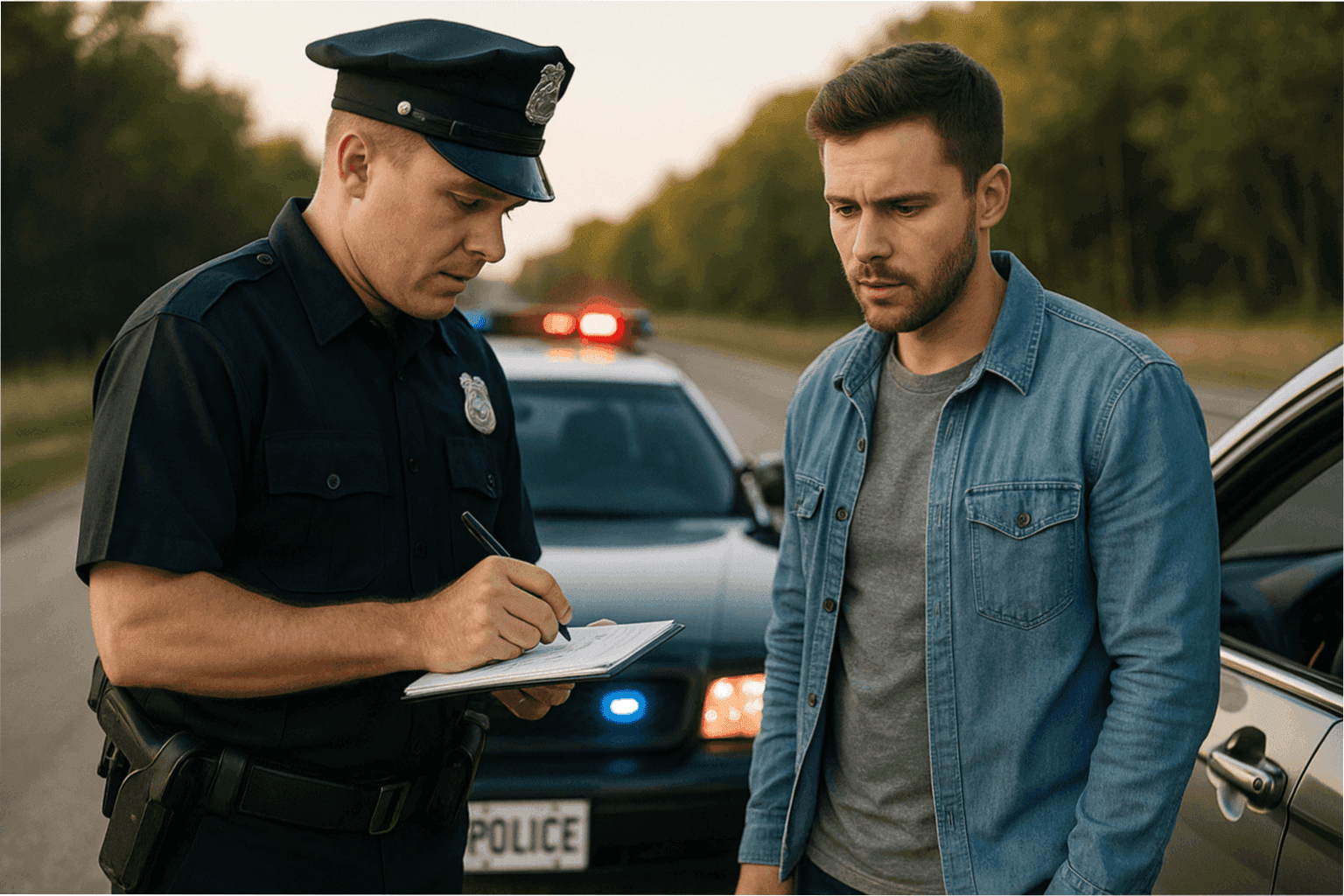
When officers arrive, provide factual details: what happened, where, and when. Stick to observables like "The other car turned left in front of me" rather than opinions like "They were speeding recklessly." Avoid admitting fault; phrases like "I'm sorry" or "It was my mistake" can be used against you in court or by insurers. Let the investigation determine responsibility.
If no one is hurt and damage is minimal, some jurisdictions allow exchanging info without police, but getting an official report is still smart. It serves as unbiased documentation for claims. In hit-and-run cases, note any details about the fleeing vehicle and report immediately—delays could weaken your case.
Exchanging Information with Involved Parties
With authorities on scene or en route, gather details from the other driver(s). This includes full names, contact info, driver's license numbers, vehicle registration, and insurance details. If there are witnesses, get their contact information too; their accounts can clarify disputes.
Be polite but cautious. Don't discuss fault or negotiate on the spot—emotions run high, and hasty agreements might not hold up. If the other party seems aggressive or uncooperative, let police handle it. In multi-vehicle scenarios, document everyone involved to avoid missing links in the claim process.
Legally, failing to exchange info can result in hit-and-run charges, even if unintentional. If language barriers exist, use translation apps or wait for help, but ensure accuracy to prevent misunderstandings.
Documenting the Scene Thoroughly
Photos and notes are your best friends here. Use your phone to capture the scene from multiple angles: vehicle positions, damage to all cars, skid marks, traffic signs, and road conditions. Include timestamps if possible.
When describing damages, be precise but neutral. Say "The front bumper is dented and the headlight shattered" instead of "It's totally wrecked." This helps insurers assess without exaggeration, which could flag fraud suspicions.
Also, jot down your recollection of events while fresh. Include weather, time of day, and any contributing factors like poor visibility. If you have a dashcam, preserve the footage—it's gold for proving sequences.
Remember, in no-fault states like Florida or New York, documentation focuses more on injuries for personal injury protection claims, while fault-based systems emphasize evidence of negligence.
Notifying Your Insurance Provider
Contact your insurer as soon as possible, ideally within 24 hours. Provide the police report number, photos, and exchanged info. Be honest but stick to facts; avoid speculating on blame.
Insurers will guide you through filing a claim, which might involve appraisals or adjusters. If you're not at fault, your rates might not spike, but always review policy details. In cases with injuries, consider consulting a lawyer before signing anything, especially if settlements seem lowball.
Legally, many policies require prompt notification; delays could void coverage. If uninsured motorists are involved, your policy's uninsured motorist clause might kick in, but solid documentation is key.
Step-by-Step Checklist for Post-Accident Actions
To make this actionable, here's a straightforward checklist covering the main phases:
Ensure Safety: Check for injuries, move vehicles if safe, and turn on hazards. Exit the car only if it's secure to do so.
Call Police/911: Dial emergency services if there's injury, major damage, or traffic obstruction. Report even minor incidents for documentation.
Exchange Information: Swap details with other drivers and witnesses. Include insurance, licenses, and contacts.
Take Photos and Notes: Document damage, scene, and conditions. Be factual in descriptions.
Contact Insurance: Notify your provider promptly with all gathered evidence. Follow up on claims.
Following this sequence minimizes risks and streamlines recovery.
Legal Nuances to Keep in Mind
Navigating the legal side requires care. Always call 911 for accidents with injuries, suspected DUIs, or when someone flees—it's not just advisable, it's often the law. For descriptions, use objective language to avoid misinterpretation; insurers and courts scrutinize words for liability hints.
Crucially, never say things like "I wasn't paying attention" or "It's all my fault," even casually. Such statements can be recorded and used to deny claims or in lawsuits. If questioned by the other party's insurer, politely decline and refer them to yours or a lawyer.
In some states, comparative negligence rules mean shared fault reduces compensation—accurate, neutral reporting preserves your position.
Common Mistakes That Can Worsen the Situation
Even well-intentioned actions can backfire. Here's a list of pitfalls to sidestep:
Leaving the Scene Prematurely: Fleeing, even accidentally, escalates to hit-and-run charges with severe penalties.
Admitting Fault On-Site: Casual apologies can be twisted into admissions of guilt, harming your case.
Neglecting Medical Checks: Skipping doctor visits might mean undiagnosed injuries surface later, complicating claims.
Poor Documentation: Forgetting photos or details weakens evidence against disputes or false claims.
Delaying Insurance Notification: Waiting too long risks policy violations and denied coverage.
Signing Documents Hastily: Agreeing to quick settlements often undervalues long-term costs like ongoing medical bills.
Ignoring Witnesses: Not collecting their info misses out on corroborating testimonies.
Avoiding these keeps things from spiraling.
Wrapping Up: Stay Prepared and Proactive
Handling the aftermath of a car accident boils down to staying calm, methodical, and informed. By following the checklist, heeding legal tips, and steering clear of common errors, you position yourself for a smoother recovery—whether that's getting your car fixed or securing fair compensation. Remember, preparation extends beyond the incident; review your insurance yearly and consider adding roadside assistance. If the situation feels overwhelming, don't hesitate to consult professionals like attorneys or accident specialists. Drive safe, and here's to fewer bumps in the road ahead.
Mini-FAQ
When should I definitely call 911 after a crash?
Call immediately if there are injuries, the accident causes a roadblock, or you suspect impairment. It's better to err on the side of caution for official records.
What if the other driver doesn't have insurance?
File with your insurer under uninsured motorist coverage if available. You might need to pursue legal action, so gather all evidence.
How long do I have to report an accident to my insurance?
Most policies require notification within 24-48 hours, but check yours. Prompt reporting prevents claim denials.
Can I handle a minor accident without police?
In some cases, yes, if no injuries and damage is light—but exchanging info and taking photos is still essential for protection.
What role does fault play in insurance claims?
It depends on your state; in at-fault systems, the responsible party pays, while no-fault focuses on your own coverage for injuries.
More from Traffic & Law
Top Reasons US Drivers Fail Their DMV Test in 2025
21.11.2025 16:47
Essential Guide to Buying Cars from Auctions for US Citizens: Pitfalls, Scams, and Key Documents
21.11.2025 12:34
Upcoming Traffic Regulation Changes in 2026: Insights from the US and Around the World
21.11.2025 12:34