How to replace electric water pump on BMW F30/F32 models
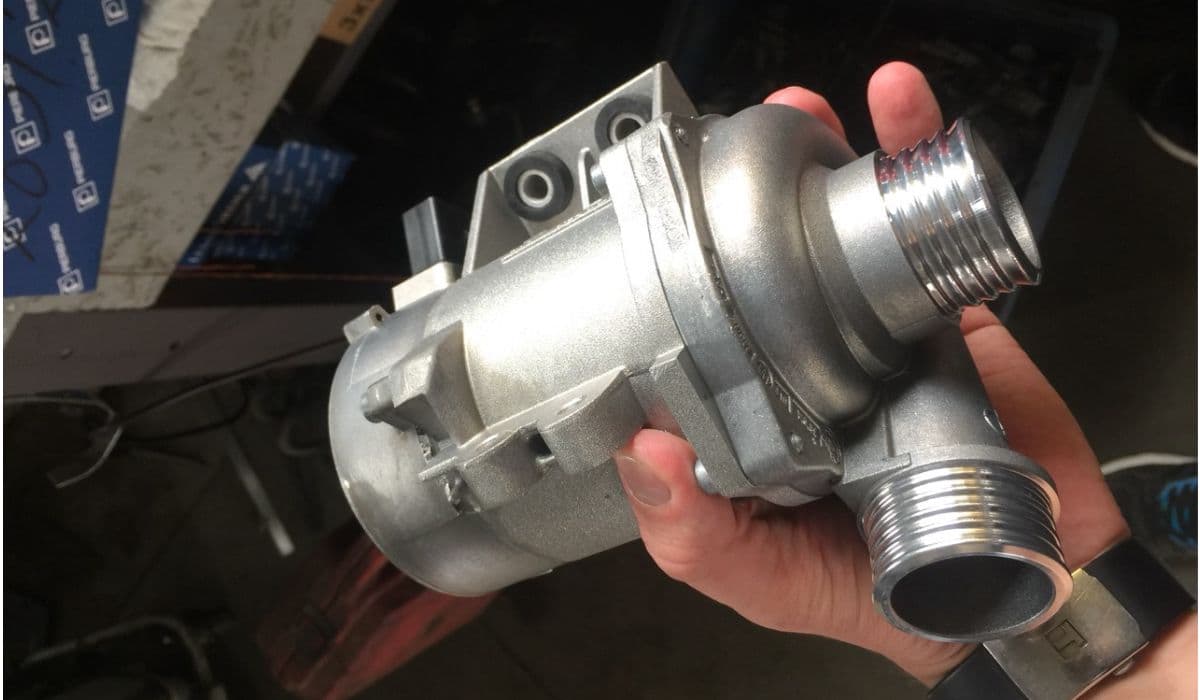
The BMW F30 3 Series and F32 4 Series represent a pinnacle of modern engineering, blending performance with efficiency. Central to their advanced cooling system is the electric water pump — a departure from traditional belt-driven designs. This component precisely regulates coolant flow using electronic control, improving fuel economy and engine temperature management. However, like many electric parts, it can fail over time due to bearing wear, electrical issues, or internal degradation, often leading to overheating warnings, coolant loss, or even parasitic battery drain when the pump runs continuously.
Replacing the electric water pump yourself saves significant expense while deepening your understanding of the car's systems. The job demands patience in a confined engine bay, but it's achievable with basic mechanical skills. This guide covers both common N20/N26 (4-cylinder) and N55 (6-cylinder) variants found in these chassis, highlighting key differences where relevant.
Why the Electric Water Pump Matters in F30/F32 Models
BMW shifted to electric pumps for better control over coolant circulation. Unlike mechanical pumps that spin constantly with engine RPM, the electric version activates only when needed — even after shutdown for turbo cooldown on N55 models. This smart operation reduces parasitic drag but introduces failure modes unique to electronics and seals.
Common failure symptoms include:
Overheating during idle or low-speed driving
Coolant leaks from the pump housing
Warning lights for coolant temperature or low level
Unusual noise from the front of the engine
Battery drain from constant pump operation
Addressing it early prevents cascading damage to the head gasket, radiator, or other components.
Essential Tools and Preparation
Gather these items before starting:
Socket set (6mm, 8mm, 10mm, 13mm)
Torx bits (T30, T40 commonly needed)
Ratchet with extensions and universal joints
Pliers for hose clamps (screw-type and spring clamps)
Drain pan and spill-free funnel
New coolant (BMW-approved blue antifreeze, mixed 50/50 with distilled water)
Rags, gloves, and eye protection
Optional: vacuum fill tool for cleaner refilling
Park on a level surface, let the engine cool completely (hot coolant poses burn risk), and disconnect the negative battery terminal to prevent electrical shorts or codes.
Draining the Cooling System Safely
Proper draining minimizes mess and air pockets later.
Raise the front of the car securely on jack stands.
Remove underbody splash shields (multiple 8mm fasteners) for access.
Locate the lowest coolant hose (often near the radiator or pump) or use the radiator drain plug if accessible.
Position a large drain pan underneath.
Release clamps and carefully disconnect hoses — expect 6-8 liters of coolant to flow.
For better drainage on some models, remove a lower hose connected to the pump itself.
Pro tip: If draining from a hose, consider puncturing a small hole in a low hose section for controlled flow before fully disconnecting.
Accessing the Water Pump Location
The pump sits at the front of the engine, near the thermostat housing, tucked behind hoses and components.
For N20/N26 engines (320i, 328i, etc.):
Remove the intake airbox and associated ducting (loosen clamps, disconnect MAF sensor).
This exposes the thermostat and pump area from above.
For N55 engines (335i, 435i, etc.):
Access often comes from below after removing splash shields.
The pump is positioned lower, sometimes requiring wheel well liner removal or steering full lock for side access.
Disconnect electrical connectors carefully — note their positions.
In both cases, work methodically: label hoses if needed, and take photos for reference during reassembly.
Step-by-Step Removal Process
Disconnect the electrical connector to the pump (press tab and pull gently).
Release all attached coolant hoses — use pliers on spring clamps or screwdrivers on worm-drive types. Expect residual coolant spillage.
Remove mounting bolts (typically 3-4, often aluminum stretch bolts — replace them with new ones to avoid breakage).
Wiggle the pump free from its housing — it may be tight due to O-ring seals.
Inspect the old pump: look for impeller damage, leaks, or burnt electrical smell.
Common challenge: tight clearance. Use extensions and swivel sockets; patience prevents stripped bolts.
Installing the New Water Pump
Compare the new pump to the old one — ensure identical connectors and ports.
Install new O-rings or seals if not pre-installed (light lubrication with coolant helps).
Position the pump and hand-thread new mounting bolts (torque to spec later — usually 10-15 Nm).
Reconnect hoses securely — ensure clamps are fully seated to prevent leaks.
Plug in the electrical connector until it clicks.
Replace associated hoses (e.g., to thermostat or "mickey mouse" flange) if they show cracks or swelling — preventive maintenance pays dividends.
Reassembly and Refilling the System
Reverse disassembly steps:
Reinstall airbox/ducting (N20).
Replace splash shields and lower the car.
Reconnect battery.
Refill carefully:
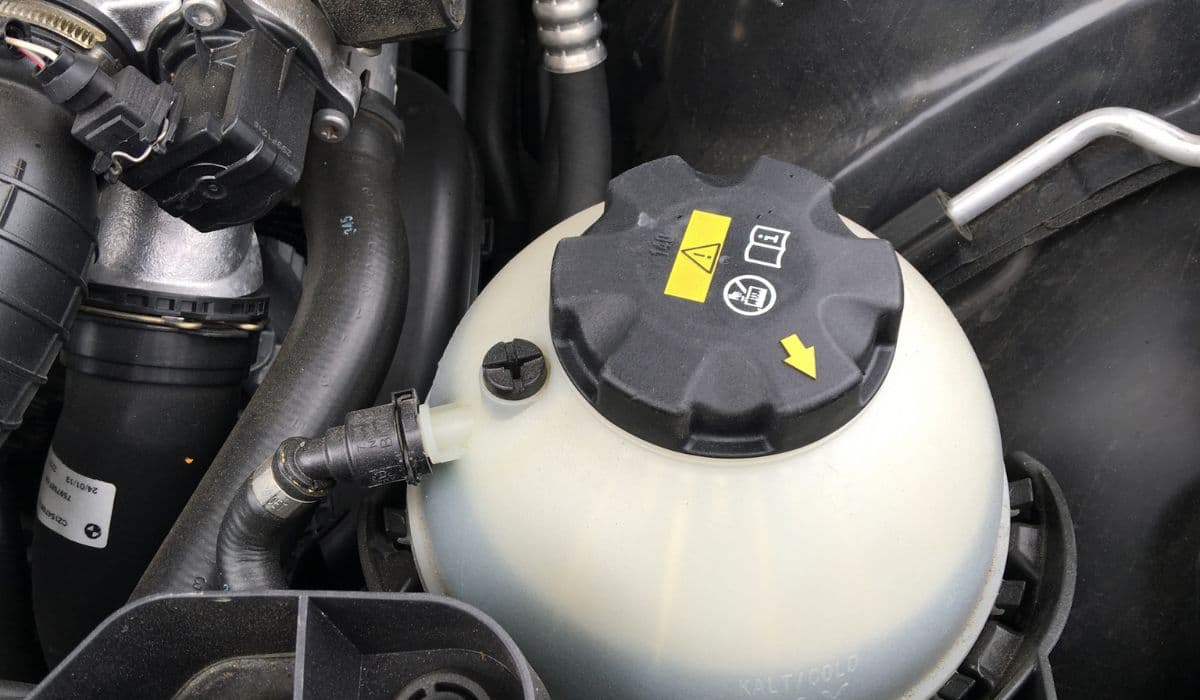
Use a spill-free funnel at the highest point (expansion tank).
Add 50/50 coolant mix slowly.
Top off as needed.
Bleeding air is critical — BMW's electric system simplifies this.
Bleeding Air and Testing the System
BMW's self-bleed procedure:
Ignition on (engine off).
Set heater to maximum temperature and lowest fan speed (fan must run).
Press and hold accelerator pedal fully for 10-15 seconds.
The DME activates the pump in cycles — listen for it running; coolant level may drop as air escapes.
Repeat 2-3 times, topping off coolant between cycles.
Start engine, monitor temperature gauge — let idle until warm, checking for leaks.
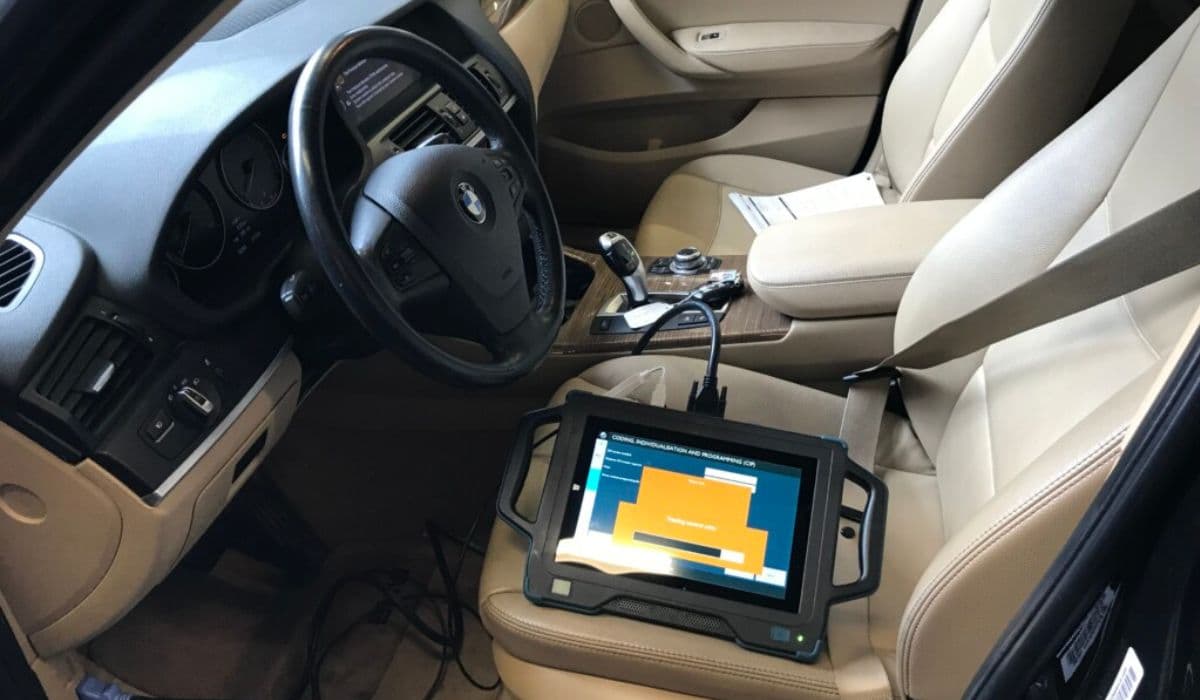
Scan for codes if available; clear any related to coolant if present.
Tips for Longevity After Replacement
Always use genuine BMW coolant — aftermarket mixes can cause issues.
Inspect/replace thermostat simultaneously (common practice).
Monitor coolant level weekly for the first month.
Consider refreshing all plastic coolant components around 100,000 km to avoid future headaches.
Mastering this repair empowers you to maintain your F30/F32's legendary performance reliably. The electric water pump replacement sharpens diagnostic skills and confidence for future projects under the hood.