How to replace electric water pump on F30/F32 models
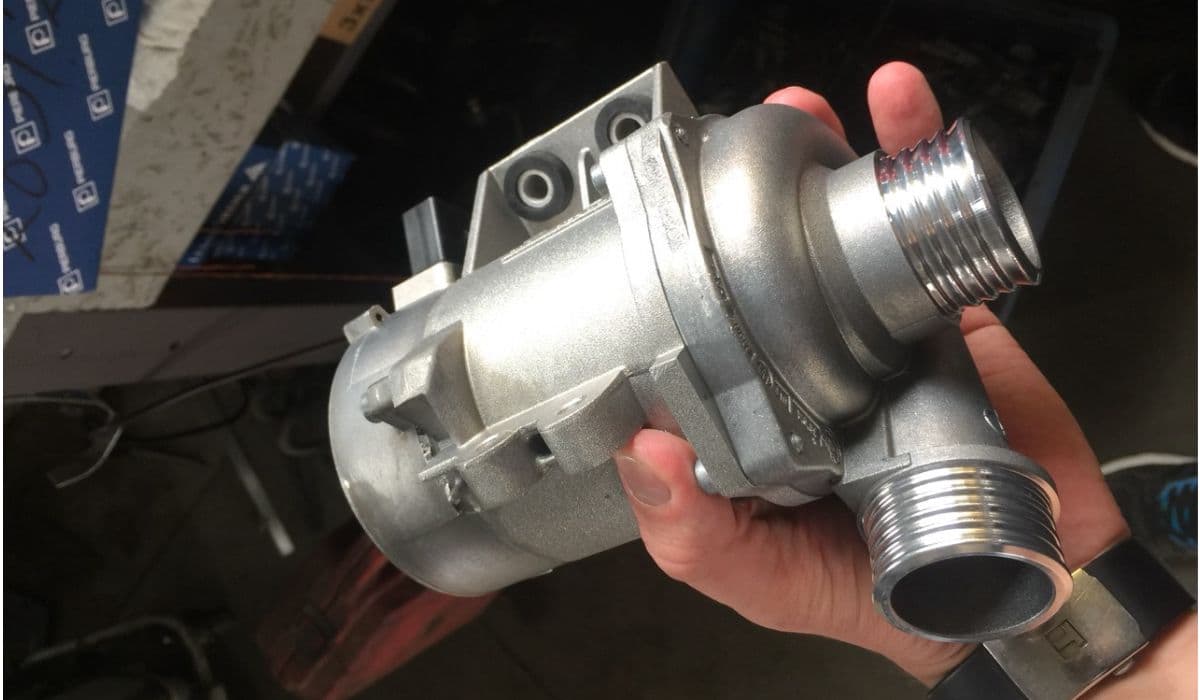
BMW's F30 3 Series and F32 4 Series platforms, equipped primarily with the N55 turbocharged inline-six engine, rely on an electronically controlled water pump for precise coolant circulation. This design optimizes flow based on engine load and temperature, improving efficiency over mechanical predecessors. However, these pumps often fail prematurely, typically between 60,000 and 100,000 miles, due to electrical motor degradation, impeller wear, or internal seal breakdowns.
High operating temperatures in the turbocharged N55 accelerate component fatigue, while voltage fluctuations from the alternator or poor grounding stress the pump's electronics. Contaminated coolant—often from skipped flushes or incompatible mixtures—corrodes internals, leading to restricted flow or complete seizure. In F30 sedans and F32 coupes, the pump's mounting position exposes it to road debris and heat soak from the exhaust side, compounding issues. Overboosted tunes increase thermal demands, hastening failures. Sudden electrical faults trigger limp mode, while gradual declines manifest as inconsistent circulation, risking cylinder head warping or turbo damage if ignored.
Detecting Indicators of Impending Water Pump Malfunction
Awareness of subtle cues prevents roadside breakdowns. Dashboard warnings for overheating or reduced engine power frequently signal pump faults, accompanied by diagnostic codes like 2EF7 (map thermostat activation) or pump communication errors. The temperature gauge rising during idle or low-speed driving, despite normal highway operation, points to inadequate flow at variable speeds.
A whining noise from the front underside, persisting after shutdown, indicates the pump running unnecessarily or struggling against resistance. Coolant leaks around the pump housing—visible as green/blue stains on the undertray—or milky oil contamination suggest seal failure. Heater output dropping to lukewarm air reflects poor circulation through the core. In F30 xDrive variants, symptoms may appear sooner due to added drivetrain heat. Frequent low coolant alerts without external leaks often trace to internal weeping that evaporates on hot surfaces.
Compiling Essential Equipment and Replacement Components
Efficiency demands the correct arsenal. Core hand tools include Torx bits (T30, T40), 10mm and 13mm sockets with extensions, spring clamp pliers for hoses, and a trim removal tool set for underbody panels. A large drain tray (minimum 10 liters) and absorbent mats manage spills. For diagnostics, a BMW-compatible scanner reads live data on pump RPM and flow rates.
Secure a genuine or Pierburg electric water pump (part 11518635090 for most N55 applications, around $300-450), new aluminum mounting bolts (three required, torque to 10 Nm), and fresh O-rings/seals. Pair it with BMW blue coolant (50/50 with distilled water) and consider a simultaneous thermostat swap, as both share failure timelines. Protective gear—gloves, goggles—and jack stands elevate safety when accessing underneath.
Performing Targeted Diagnostics Prior to Removal
Verification avoids needless labor. Scan for codes confirming pump-related faults, then monitor live data: Healthy units vary speed dynamically with demand. Pressure test the system to rule out concurrent leaks. Visually inspect from below for weep holes dripping or electrical connector corrosion.
Run the engine to temperature and feel hoses—upper should heat quickly if circulation is strong. If pump RPM reads zero despite commands, electrical issues dominate. For F32 models with tighter underbody shielding, remove panels early for clear views. Exclude thermostat faults by checking its opening via scanner or infrared thermometer on housing.
Navigating the Pump Extraction Sequence Step-by-Step
Approach only on a fully cooled engine, elevated safely with wheels chocked. Drain coolant via radiator petcock and block plug, recovering fluid for reuse if clean.
From underneath the passenger side (near downpipe), disconnect the electrical harness by releasing the locking tab. Loosen hose clamps on inlet/outlet—expect a coolant cascade, so position trays strategically. Remove three mounting bolts (10mm), noting their one-time-use nature.
Gently pry the pump free, twisting to break seals without damaging adjacent lines. In F30 xDrive, transmission components may obstruct slightly; F32 coupes offer marginally better access due to layout. Clean mating surfaces meticulously, removing old gasket residue to prevent leaks.
Install the new pump: Apply fresh O-rings, align precisely, and torque bolts evenly to spec. Reattach hoses with new clamps, ensuring full seating. Reconnect wiring securely.
Executing Thorough System Refill and De-Aeration
Air locks provoke false overheating readings, demanding meticulous bleeding. Refill slowly to the max mark with proper mixture.
Activate electric bleed via scanner if available, or manually: Start engine, heater max hot/fan low, idle while topping up as bubbles purge. Rev gently to 2500 RPM bursts to dislodge pockets. Open any auxiliary bleeders until steady flow emerges.
Monitor for several heat cycles, rechecking levels after cooldowns. Drive conservatively initially, scanning for anomalies. Full stabilization may require 100-200 miles as residual air works out.
Sidestepping Frequent Errors in the Replacement Workflow
Haste invites complications. Reusing stretched bolts risks stripping threads or loose mounting, vibrating the new pump prematurely. Incomplete draining contaminates fresh coolant, fostering corrosion.
Pinched or improperly routed hoses restrict flow, mimicking old failures. Neglecting electrical connector cleaning causes intermittent operation. Overtorquing plastic-adjacent fasteners cracks housings. In xDrive F30s, forgetting to realign splash shields allows debris ingress.
Bolstering Cooling System Resilience Moving Forward
Longevity hinges on discipline. Flush entirely every 60,000 miles with approved fluid, inspecting hoses and clamps concurrently. Monitor scanner data periodically for pump performance trends.
Address charge pipe heat shields if missing, reducing radiated stress. For modified N55 setups, auxiliary coolers mitigate loads. Replace thermostats proactively alongside pumps. Log coolant levels monthly—unexplained drops warrant immediate probes. These measures safeguard the intricate N55 ecosystem, preserving performance in F30 sedans and F32 coupes alike.