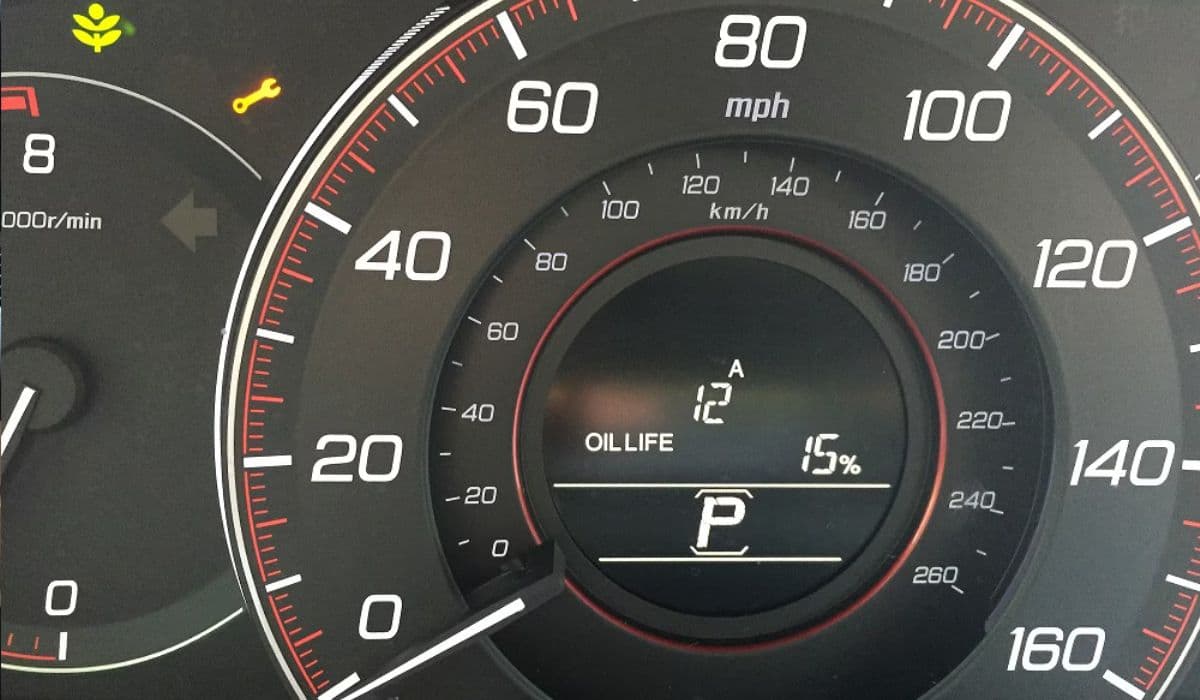
VTEC Not Working? 5 Reasons and How to Fix It Yourself
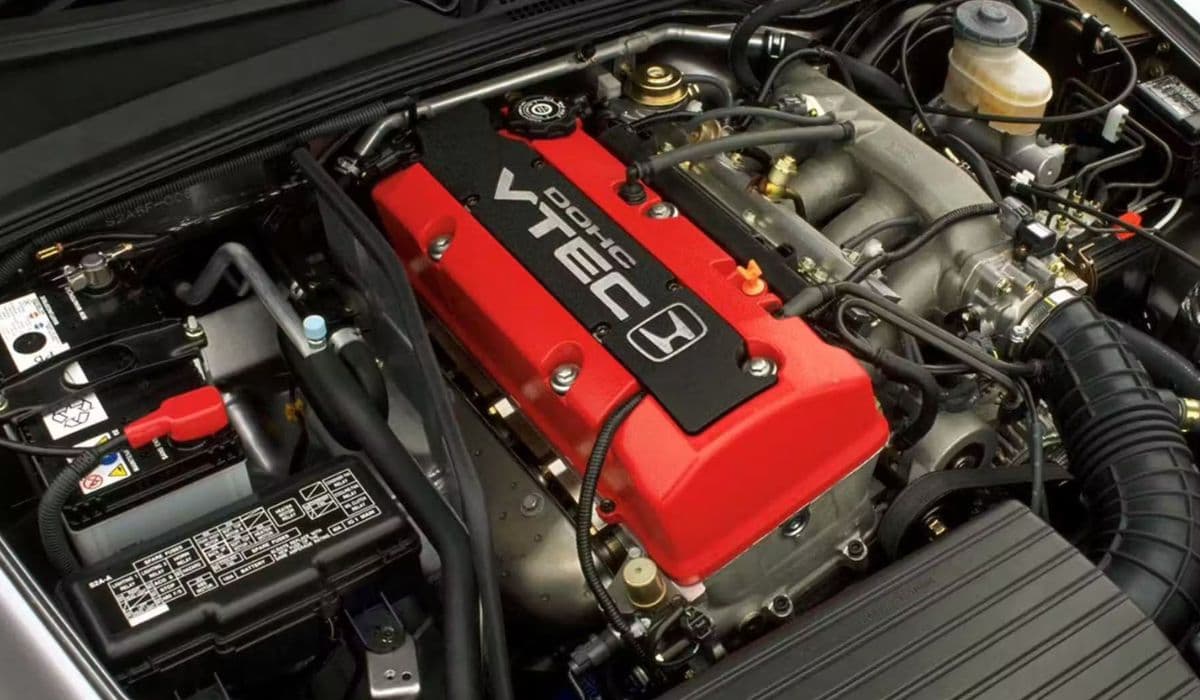
Honda’s VTEC system is legendary for turning ordinary engines into high-rev screamers, but when the iconic crossover to the wild cam profiles never happens, the disappointment is real. If your 2000–2020 Civic, Integra, RSX, Accord, S2000, TSX, or any other VTEC-equipped Honda feels flat above 5000–6000 rpm and you don’t get that famous kick, here are the five most common culprits — and exactly how to diagnose and fix them in your own garage.
1. VTEC Solenoid Leaking or Stuck Closed (The #1 Killer)
The VTEC solenoid (also called VTEC oil pressure switch assembly) is the heart of the system. If the internal spool valve sticks or the gasket leaks, oil pressure never reaches the rocker arm pins, and the high-lift cams stay locked out.
Symptoms
- No VTEC engagement at all (even with correct rpm and load)
- Check engine light with codes P1259 (VTEC system malfunction), P2646/P2647 (rocker arm oil pressure switch), or P2648/P2649
- Oil leaking from the solenoid gasket onto the alternator or exhaust manifold
How to Test
1. Unplug the solenoid connector (usually a single green or blue plug).
2. With the key ON, engine OFF, you should have 12 V on one pin (use a test light or multimeter).
3. Ground the other pin momentarily — you should hear a clear click.
4. If no click → solenoid is mechanically stuck or coil is dead.
DIY Fix
- Remove the solenoid (two 10 mm bolts on most B-, K-, and early R-series; three on J-series).
- Clean the spool valve and tiny oil passages with brake cleaner and compressed air.
- Replace the gasket/spool kit (Honda part 15825-P8A-A01 or 15825-RAA-A01 depending on year — ~$25–$40 aftermarket).
- On 2006+ models, the whole assembly is usually replaced as one unit (37250-PNE-G01, ~$120–$180).
Pro tip: Always change the crush washer on the banjo bolt and use Honda oil filter — cheap filters collapse and kill pressure.
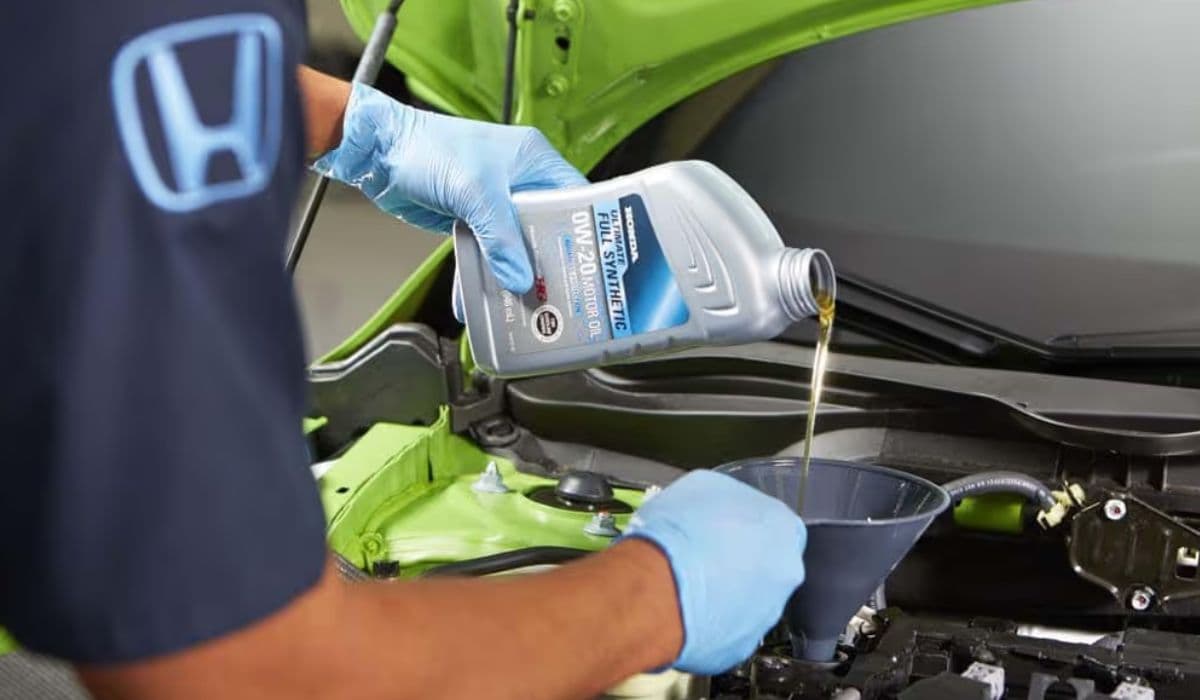
2. Low or Dirty Engine Oil / Wrong Viscosity
VTEC is 100 % hydraulic. No oil pressure = no VTEC. This is especially common on high-mileage engines that burn oil.
Common Scenarios
- Running 0W-20 in a 2000–2005 car that calls for 5W-30 (too thin at operating temp)
- Oil level half a quart low — enough to drive, not enough for VTEC
- 15 000 km oil change intervals with conventional oil → sludge blocks passages
Quick Check
Pull the dipstick hot after a drive. If it’s low or looks like chocolate milk, fix the oil first. Then do an “Italian tune-up” (high-rpm drive on the highway) — sometimes it clears minor blockages.
Permanent Fix
- Always use Honda-recommended viscosity (check your owner’s manual).
- Switch to high-mileage synthetic 5W-30 or 0W-40 in tired engines.
- Do two short 3000 km oil changes with quality filter to flush sludge.
3. Clogged VTEC Solenoid Screen / Filter
Every VTEC solenoid has a tiny mesh screen (or separate external filter on some K20Z3/K24A2). One piece of RTV silicone or bearing material can block it completely.
Where to Look
- B16/B18/H22/F20C: screen is inside the solenoid, visible after you remove it.
- D17/K-series 2001–2005: separate cylindrical filter next to the solenoid (part 36172-P8A-A01).
- K20Z3 (06-11 Civic Si), K24A2 (02-06 RSX Type-S): screen is built into the head under a 24 mm bolt near the VTEC solenoid.
Cleaning Procedure
1. Remove the screen/filter.
2. Soak in carb cleaner or brake cleaner for 10 minutes.
3. Blow backwards with compressed air — you’ll be shocked what comes out.
4. Reinstall with a new o-ring (cheap kit on eBay “K-series VTEC gasket kit”).
90 % of “dead” K-series VTEC cars are fixed just by cleaning this screen.
4. Faulty VTEC Oil Pressure Sensor (Not the Same as Solenoid)
2001+ cars have a separate pressure switch (not the solenoid itself). When it fails, the ECU thinks there is no oil pressure and disables VTEC.
Common Codes
- P2646 / P2647 (A rocker arm actuator system performance/stuck off)
- P2648 / P2649 (rocker arm oil control solenoid circuit)
Test
The switch is normally closed below ~50 psi and opens above. Use a 3-bar oil pressure gauge adapter (M12×1.5 or M14×1.5 depending on engine) and watch actual pressure at 6000 rpm hot. If you have 70+ psi but still get the code → replace the switch (~$40–$80 OEM).
Location:
- B-series: on the solenoid itself
- K-series: back of the block near oil filter (green or gray connector)
- J-series: passenger side of the head
5. Wiring or ECU Issues (Rarer but Deadly)
Broken wires, corroded pins, or aftermarket “VTEC controllers” installed wrong will kill engagement.
Most Common Breaks
- Chipped or melted wire where it touches the intake manifold (Civic Si 06-11)
- Pin 23 (A8 on OBD2 plug) corroded in the ECU harness
- Someone cut the VTEC wire to install an eBay “VTEC killer” chip
Diagnosis
1. Backprobe the VTEC solenoid wire at the ECU (pin A4 on most K-series ECUs) and watch for 12 V command at 5500 rpm in 2nd gear.
2. No 12 V → trace the wire or repair the break.
3. If the car was ever chipped or converted (K-Pro, Hondata, AEM), double-check the VTEC output settings.
Bonus: Quick Diagnostic Flowchart You Can Do in 15 Minutes
1. Check oil level and condition → fix if bad
2. Pull CEL codes → P1259 family? → solenoid or pressure
3. Listen for solenoid click (key on, ground the wire)
4. Remove and inspect/clean solenoid screen
5. Swap with a known-good solenoid (junkyard ones are fine for testing)
6. Measure actual oil pressure if still dead
In 15+ years of working on 2000–2020 Hondas, I’ve seen maybe two truly broken cylinder heads that wouldn’t let VTEC work. Everything else was one of the five issues above.
Fix the easy stuff first — 99 % of the time your VTEC will scream again the same day, no dealer visit required.
More from Honda
How to Choose the Right Engine Oil for Honda and When to Change It
02.12.2025 11:50
How to Change Oil and Oil Filter on Honda Civic – 5th Generation to Present (1992–2025+)
20.11.2025 22:08