
Top 10 Used Cars Under $5,000 You Can Actually Buy in 2026
Models that still make sense in 2026 based on real market prices, reliability, and ownership logic
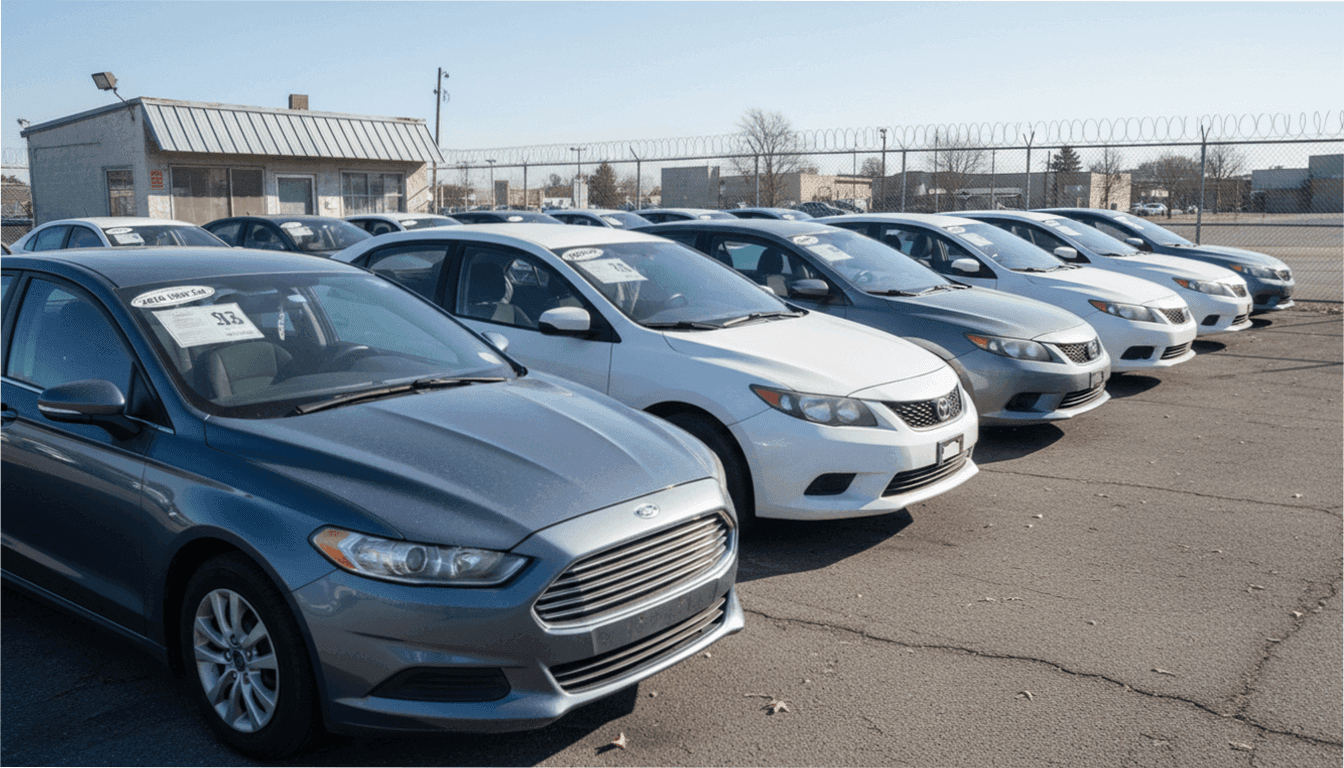
Top 10 Used Cars Under $5,000 Available in 2026
Buying a car under $5,000 in 2026 requires a very different mindset than it did even five years ago. Prices have stabilized at a higher baseline, “legendary cheap cars” have largely disappeared, and buyers now compete in a tighter, more rational market. The goal is no longer to find a perfect car — it is to find a predictable one.
This list is built around three criteria:
real availability under $5,000, tolerance to high mileage, and low ownership risk. These models consistently appear in working condition, have known maintenance patterns, and continue to be supported with affordable parts.
1. Ford Fusion (2009–2012)
 The Ford Fusion earns its place because it combines price stability and mechanical simplicity. Large production volumes and fleet usage pushed prices down without introducing complex engineering.
Why this model deserves a spot:
It offers midsize comfort at compact-car money, with engines and transmissions that are well understood by independent mechanics.
Typical market reality in 2026:
High-mileage but drivable examples are common between $3,800 and $5,000.
2. Chevrolet Malibu (2010–2013)
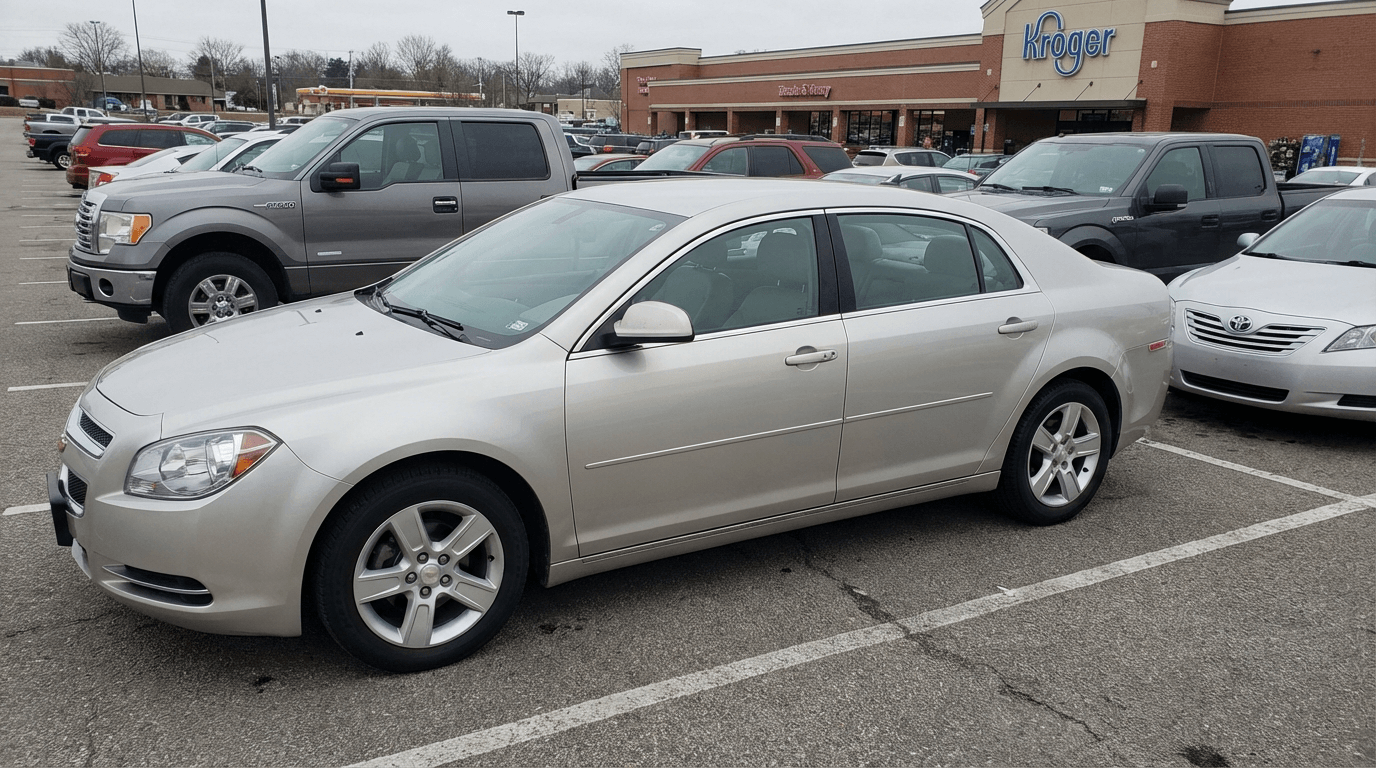
The Malibu is a classic example of a car that depreciated faster than its usefulness declined. It remains one of the most widely available sedans in this budget.
Why this model deserves a spot:
Availability matters. The Malibu is easy to find, easy to service, and cheap to keep running.
Typical market reality in 2026:
Plenty of listings under $4,800, especially former rental or fleet cars.
3. Hyundai Sonata (2010–2012)
 Sonatas from this period quietly became one of the strongest value buys as Korean brands gained credibility, but older models depreciated heavily.
Why this model deserves a spot:
You get a newer-feeling car — better interior, more features — for the same money as older Japanese rivals.
Typical market reality in 2026:
Commonly listed between $3,700 and $5,000.
4. Toyota Corolla (2008–2010)
 The Corolla is here not because it is cheap, but because it is forgiving. Even poorly maintained examples tend to outlast competitors.
Why this model deserves a spot:
Low risk ownership. When things go wrong, they usually go wrong slowly and cheaply.
Typical market reality in 2026:
High-mileage cars consistently sit near the top of the $5,000 cap.
5. Honda Civic (2007–2009)
 Civics no longer dominate the cheap-car market, but eighth-generation models still justify their prices through durability and fuel efficiency.
Why this model deserves a spot:
Strong engines, simple layouts, and one of the largest parts ecosystems in the country.
Typical market reality in 2026:
Mostly near the upper edge of the budget, often $4,000–$5,000.
6. Buick Regal (2011–2014)
 The Regal benefits from brand neglect. Buyers overlook it, which keeps prices low despite decent build quality.
Why this model deserves a spot:
Comfort, quiet ride, and often better maintenance histories due to older ownership.
Typical market reality in 2026:
Frequently available below $4,900 in clean condition.
7. Ford Focus (2008–2011, manual transmission)
 This is a very conditional pick — but a strong one if done right.
Why this model deserves a spot:
Manual versions avoid known automatic issues and offer a low buy-in cost with simple repairs.
Typical market reality in 2026:
Common between $3,000 and $4,500.
8. Nissan Sentra (2007–2011, manual preferred)
 Older Sentras without CVTs remain one of the cheapest ways into reliable transportation.
Why this model deserves a spot:
Simple drivetrains, massive supply, and very low entry prices.
Typical market reality in 2026:
Often under $4,500 in working condition.
9. Pontiac Vibe (2005–2009)
 The Vibe is effectively a Toyota Matrix in disguise, benefiting from Toyota engineering without Toyota pricing.
Why this model deserves a spot:
Strong reliability record with hatchback practicality.
Typical market reality in 2026:
Consistently found between $3,500 and $4,800.
10. Kia Forte (2010–2013)
 Early Fortes slipped into this budget while offering a newer design and acceptable reliability.
Why this model deserves a spot:
Better value than many older Japanese cars at similar prices.
Typical market reality in 2026:
Regularly appears near the $4,000–$5,000 range.
Final Buying Logic for 2026
At $5,000, you are buying predictability, not perfection. These cars earned their place because they still work, still appear in volume, and still make financial sense.
More from Car Market
What’s Happening in the U.S. Car Market Right Now: Price Trends, Demand Shifts, and Key Reasons Behind Them
A 2025 Deep Dive Into Pricing Dynamics, Market Behavior, and Consumer Demand
21.11.2025 13:23
Ford Scales Back EV Plans
The automaker takes a $19.5 billion hit and shifts its strategy toward hybrids
16.12.2025 11:19
What Will Happen to New Car Prices in 2026?
A Detailed Forecast of U.S. New Vehicle Pricing, Market Forces, and Buyer Expectations
21.11.2025 12:31
Where Is It Most Cost-Effective to Buy a Car in the U.S. in 2025?
A Deep, State-by-State Breakdown of Pricing, Taxes, Market Trends, and Real Savings
21.11.2025 11:09