Chevrolet ownership costs: Low maintenance vs repair surprises
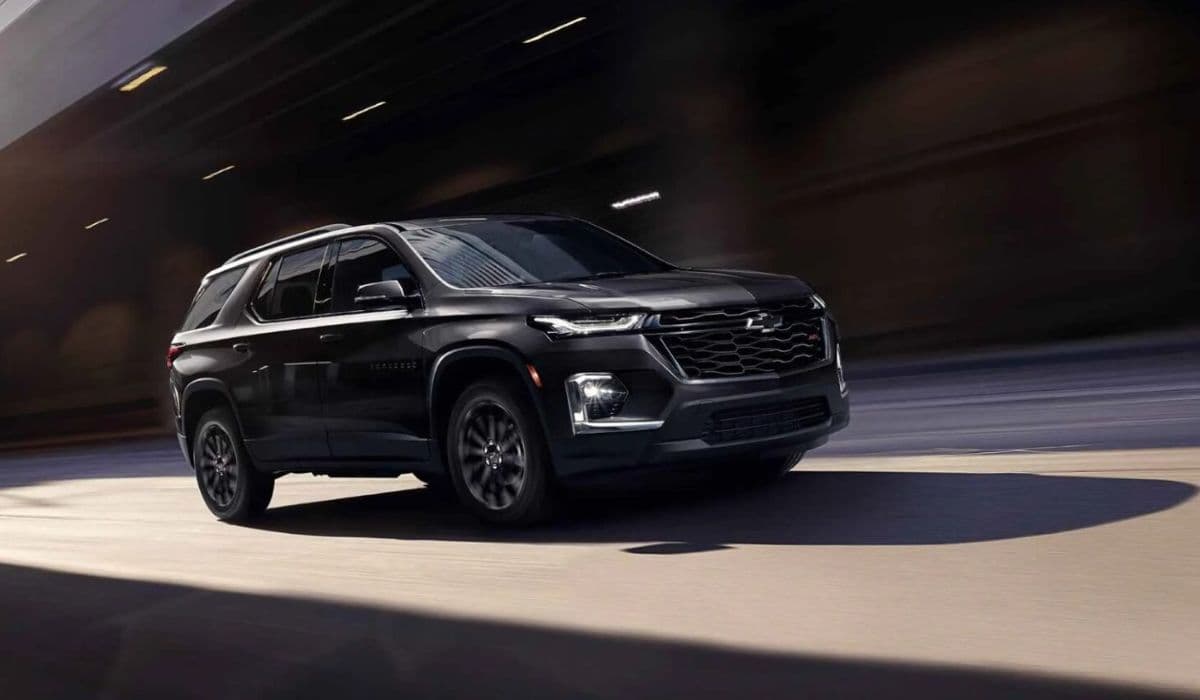
Owning a Chevrolet offers a blend of American engineering, versatile performance, and accessible everyday driving. Many drivers choose Chevy vehicles for their robust design and widespread availability of parts, which contribute to manageable routine care. However, like any brand, Chevrolet ownership involves a balance between predictable low-maintenance advantages and potential unexpected repair challenges. Understanding this dynamic helps owners plan effectively and enjoy their vehicles longer.
The Appeal of Low Routine Maintenance
Chevrolet vehicles often shine when it comes to day-to-day upkeep. The brand's engineering prioritizes straightforward service intervals, making scheduled maintenance straightforward and less disruptive.
Oil changes and filter replacements follow standard recommendations that align with most domestic brands.
Tire rotations, brake inspections, and fluid checks are simple tasks that many owners handle at independent shops or dealerships.
Widely available genuine and aftermarket parts keep routine services efficient without exotic component hunts.
This accessibility stems from Chevrolet's long history in the mass market, where designs emphasize durability in common components like suspension bushings and belts. For fleet operators or daily commuters, this translates to fewer shop visits compared to some imported alternatives with proprietary systems.
Factors Contributing to Affordable Upkeep
Several elements make Chevrolet ownership appealing for budget-conscious drivers. The brand uses shared platforms across models, which standardizes many parts and reduces complexity in servicing.
Engines and transmissions often feature proven architectures that respond well to regular care.
Electrical systems, while advanced in modern models, benefit from diagnostic tools readily available to technicians.
Body and chassis components are built with corrosion-resistant materials in many cases, extending the life of exterior and underbody elements.
Owners who follow the manufacturer's guidelines typically experience smooth operation with minimal interruptions. This proactive approach—combining timely fluids top-ups and alignments—helps preserve fuel efficiency and ride quality over high mileage.
Common Repair Surprises in Chevrolet Vehicles
Despite the strengths in routine care, certain Chevrolet models have faced recurring issues that can catch owners off guard. These often emerge after warranty periods, turning minor quirks into notable repairs.
Transmission behavior stands out as a frequent concern across sedans, SUVs, and trucks. Drivers report shifting hesitations or unexpected jerks, sometimes linked to solenoid or fluid degradation.
Engine-related matters, such as excessive oil consumption in V8 configurations, can lead to monitoring needs.
Electrical glitches, including battery drain or instrument cluster malfunctions, appear intermittently in various lineups.
Suspension and steering components in trucks may wear faster under heavy loads, prompting alignment or part replacements.
Water leaks around sunroofs or windows in crossovers add another layer, potentially affecting interiors if not addressed early. These issues vary by model and driving conditions, but they highlight the importance of vigilance.
How Driving Habits Influence Costs
Owner behavior plays a significant role in whether maintenance stays low or repairs escalate. Aggressive acceleration, frequent towing, or neglect of basic checks can accelerate wear on critical systems.
Regular monitoring of warning lights and fluid levels prevents small problems from growing.
Adapting to road conditions—avoiding potholes or overloading—preserves suspension and frame integrity.
Choosing quality fuels and adhering to severe-duty schedules in harsh climates extends component life.
Conversely, gentle driving and garage storage often reward owners with extended trouble-free periods, maximizing the low-maintenance potential.
Strategies to Minimize Unexpected Expenses
Savvy Chevrolet owners employ several tactics to keep surprises at bay and maintain affordability.
Performing visual inspections under the hood and chassis reveals early signs of wear.
Utilizing diagnostic scans at routine services catches codes before they trigger failures.
Considering extended protection plans bridges the gap after factory coverage ends.
Building relationships with trusted mechanics familiar with Chevy specifics ensures accurate diagnoses, avoiding unnecessary work. Many forums and owner communities share model-specific insights, helping newcomers spot patterns.
Long-Term Ownership Perspective
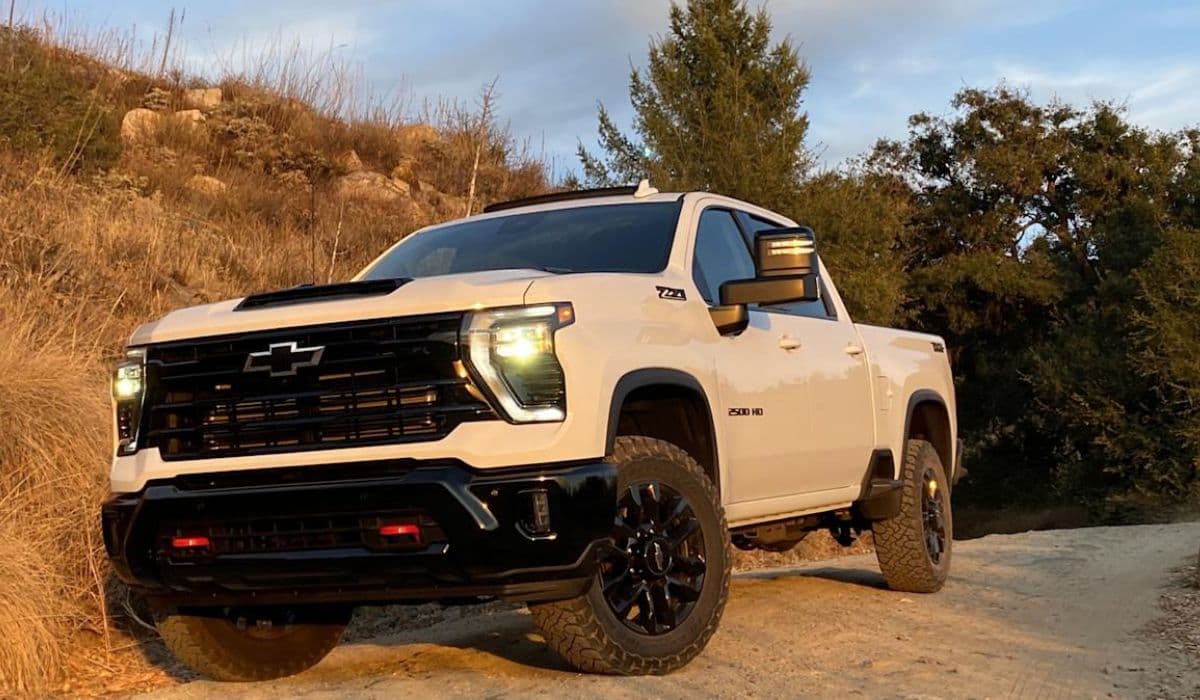
Over extended periods, Chevrolet vehicles often prove resilient for those who invest in consistent care. Trucks like the Silverado demonstrate toughness in demanding roles, while compact models offer efficient urban reliability.
The brand's network of service centers and part suppliers supports longevity, making high-mileage examples common on roads. Balancing the low routine costs against potential targeted repairs creates a realistic view—rewarding prepared owners with dependable transportation.
More from Chevrolet
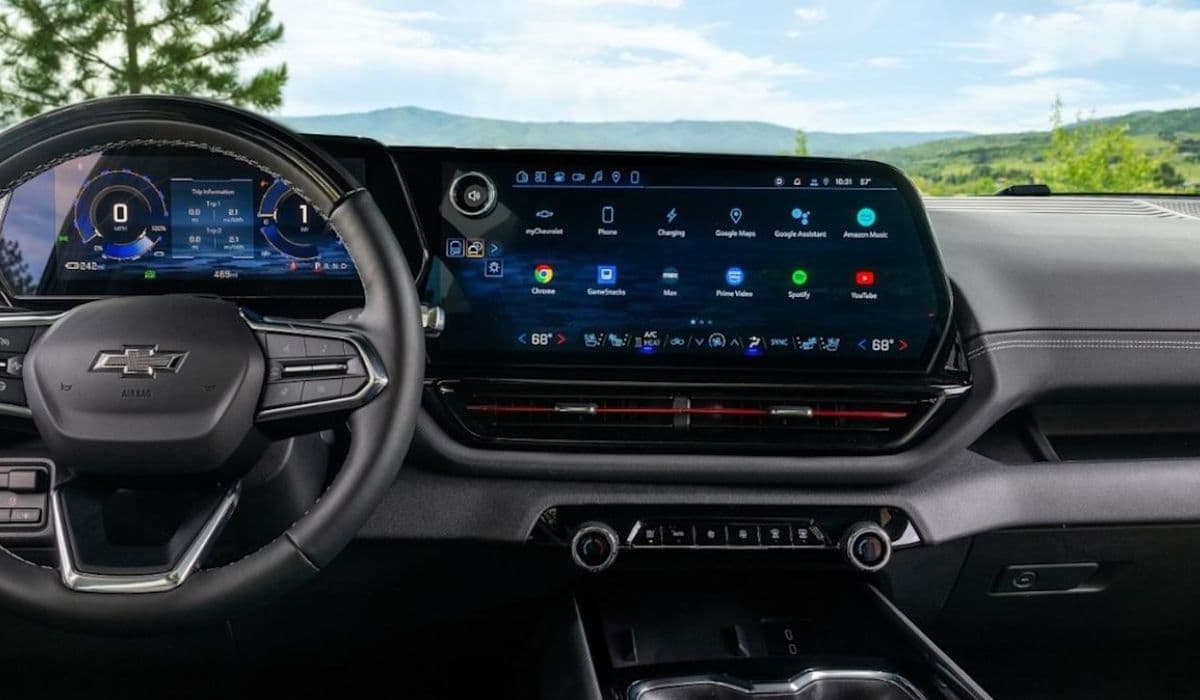
Chevrolet infotainment: Google built-in pros and cons
11.01.2026 15:25
Chevrolet overall reliability: Strong in trucks per recent studies
11.01.2026 13:23
Chevrolet Equinox EV: Charging experience and Tesla compatibility
11.01.2026 11:46
Stylish midsize SUV but narrow seats: Chevrolet Blazer
11.01.2026 06:51
Chevrolet Suburban: Ultimate space vs fuel economy trade-off
10.01.2026 11:34