5.0L Coyote V8: The Modern Legend of Ford Performance
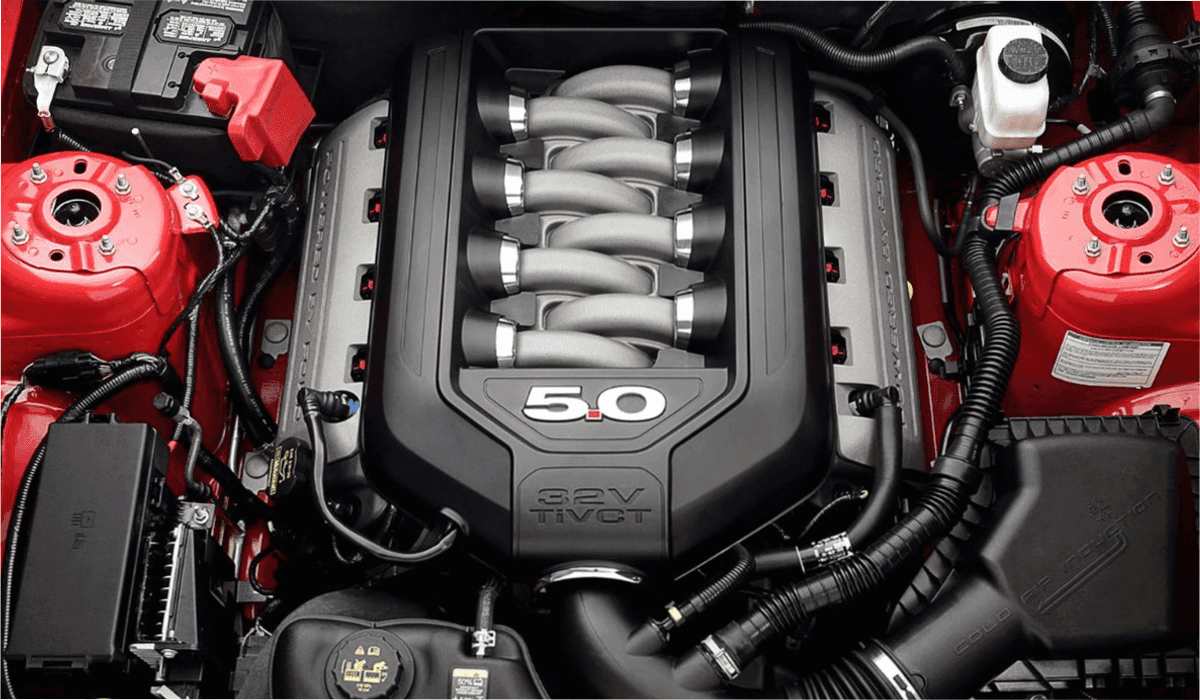
The 5.0L Coyote V8 is not just another small-block—it’s the beating heart of modern Ford performance that successfully married classic American muscle with 21st-century technology. Introduced in 2011 for the Mustang GT and F-150, the Coyote quickly became one of the most beloved and versatile engines in automotive history.
Genesis and First Generation (2011–2014)
The Coyote debuted as the replacement for the aging 4.6L and 5.4L modular V8s in the 2011 Mustang GT, delivering 412 hp and 390 lb-ft right out of the gate—numbers that embarrassed many naturally aspirated competitors. Codenamed “Coyote” during development, the all-new aluminum block engine featured Twin Independent Variable Camshaft Timing (Ti-VCT), 11.0:1 compression, and a relatively high 11,000 rpm redline capability in factory form.
Key specifications of Gen 1:
- Displacement: 4,951 cc (302 cu in)
- Bore × Stroke: 92.2 × 92.7 mm
- Compression ratio: 11.0:1
- Power: 412 hp @ 6,500 rpm (2011–2012), 420 hp @ 6,500 rpm (2013–2014)
- Torque: 390 lb-ft @ 4,250 rpm
- Block and heads: Aluminum
- Valvetrain: DOHC 4 valves per cylinder with Ti-VCT
Second Generation (2015–2017): Bigger Valves and More Power
The 2015 refresh brought significant internal upgrades while keeping the same external dimensions. Larger intake and exhaust valves, revised camshafts, new piston tops, and strengthened connecting rods pushed output to 435 hp and 400 lb-ft in the Mustang GT. The F-150 version used a slightly detuned calibration (385 hp) for better low-end torque and truck duty cycles.
Third Generation (2018–2023): The Gen 3 Revolution
The biggest leap came in 2018 with direct injection (DI) added alongside port injection—creating Ford’s “Dual-Fuel” system. Higher 12.0:1 compression, larger 37.7 mm intake valves, and an increased redline to 7,500 rpm transformed the Coyote into a genuine high-revving performance engine.
Gen 3 highlights:
- Power: 460 hp @ 7,000 rpm (Mustang GT 2018–2023)
- Torque: 420 lb-ft @ 4,600 rpm
- Added high-pressure direct injection (up to 200 bar)
- Plasma-transferred wire arc cylinder coating (similar to Nissan GT-R)
- New intake manifold with charge motion control valves
- Oil pump moved to crankshaft-driven design
The dual-injection system virtually eliminated carbon buildup on intake valves—a common DI headache—and allowed aggressive tuning without sacrificing drivability.
Fourth Generation (2024–Present): Gen 4 and the Dark Horse Peak
The S650 Mustang era introduced the most advanced Coyote yet. While displacement and basic architecture remain unchanged, nearly every internal component was redesigned for the Dark Horse’s 500-horsepower target—the highest naturally aspirated rating ever for a factory 5.0L Coyote.
Gen 4 upgrades include:
- Forged steel crankshaft (shared with Predator 5.2L)
- Stronger connecting rods borrowed from the Shelby GT500
- Dual 80 mm throttle bodies (up from single 80 mm)
- Revised camshaft profiles and lighter sodium-filled exhaust valves
- New intake manifold with dual air inlets
- Active exhaust mandatory for full power
The result? 500 hp @ 7,500 rpm and 418 lb-ft in the 2024 Mustang Dark Horse—making it the most powerful naturally aspirated production V8 Ford has ever sold.
Cylinder Block and Rotating Assembly Evolution
Every generation brought block improvements:
- Gen 1 & 2: Deep-skirt aluminum block with six-bolt main caps
- Gen 3: Added boss reinforcements and improved oil drain-back
- Gen 4: Thicker main webs and revised cooling passages
The plasma coating introduced in Gen 3 eliminated the need for iron liners, reducing weight and improving heat transfer.
Cylinder Heads and Camshaft Timing Magic
The Coyote’s Ti-VCT system allows 50–60 degrees of crankshaft authority on both intake and exhaust cams—far more than traditional VCT systems. Combined with cam torque actuated phasers, the engine achieves lightning-fast phase shifting even at low oil pressure.
Intake and Exhaust Innovations
From the acoustic-enhancing “sound symposer” in early cars to the active exhaust valves that debuted in 2018, Ford obsessed over the Coyote’s soundtrack. The 2024 Gen 4 dual-throttle-body setup feeds a completely redesigned runner-length-switching intake manifold.
The F-150 Coyote: Truck Duty Without Compromise
While the Mustang gets the glory, the F-150 Coyote (2011–2014 and 2018–2020 in limited runs) proved the engine’s durability. Lower compression (10.5:1 in some years) and conservative tuning still delivered 360–395 hp while towing up to 11,500 lbs.
Aftermarket Potential and Legendary Tuning Results
The Coyote responds dramatically to modifications:
- Whipple or VMP superchargers regularly push 800–1,000+ hp on stock bottom ends
- NA Gen 3/4 builds with cams and heads exceed 550 hp
- Fully built Gen 4 short-blocks handle 2,000+ hp in drag racing
Companies like Ford Performance, Roush, and Shelby American offer crate versions rated up to 460 hp with warranties.
Swaps and Universal Appeal
The Coyote’s compact dimensions (similar to old 289/302) and massive aftermarket support make it the modern king of engine swaps. Everything from Fox-body Mustangs to Land Rovers, kit cars, and drift machines now runs Coyote power.
Reliability and Real-World Longevity
Properly maintained Coyotes routinely surpass 200,000 miles. Common issues are minimal:
- Early Gen 1 “tick” from cam phaser wear (largely resolved)
- Occasional oil pump gear failure in heavily tracked Gen 3 cars
- Carbon buildup almost nonexistent thanks to dual injection
Racing Pedigree
The Coyote dominates multiple series:
- Australian Supercars (700+ hp restricted versions)
- Trans Am TA2 class
- Factory Stock Showdown drag racing
- Drift (Formula Drift champions running Coyote power)
- NASCAR Cup Series (2022–present under “Next Gen” rules)
The engine that started life making 412 hp now wins professional races in naturally aspirated, supercharged, and restricted forms worldwide.
The 5.0L Coyote V8 didn’t just bring Ford’s legendary 302 badge into the modern era—it redefined what a mass-produced performance V8 could be: high-revving, efficient, durable, tunable, and above all, thrilling. Fourteen years after its debut, the Coyote remains not only relevant but dominant—proof that reports of the naturally aspirated V8’s death have been greatly exaggerated.