11th Gen Honda Civic (2022+) vs 10th Gen Civic Reliability: Which Generation Holds Up Better Long-Term?
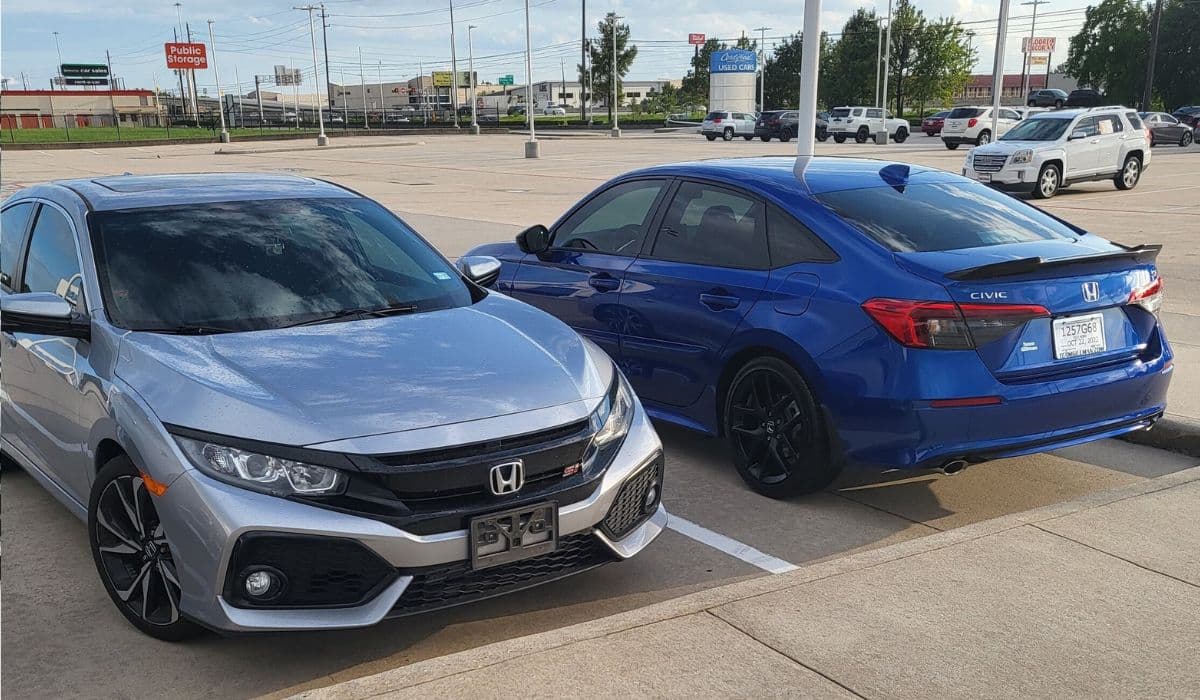
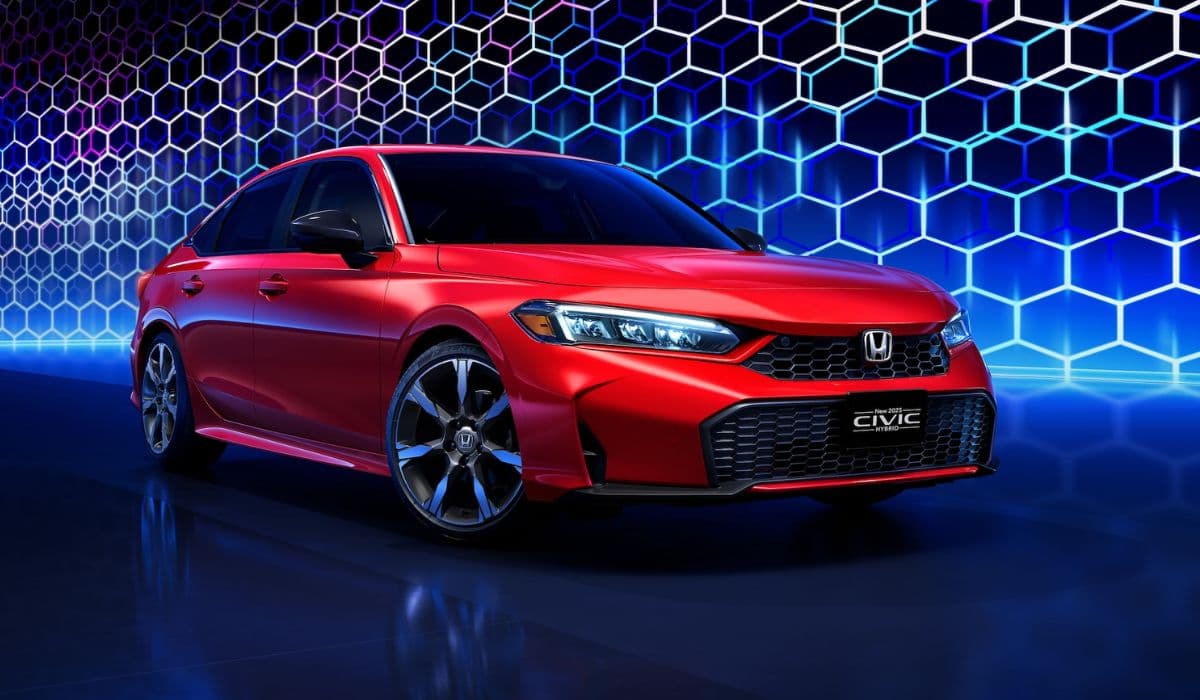
The Honda Civic has long been the benchmark for compact car reliability, but when comparing the 10th generation (2016-2021) with the completely redesigned 11th generation (2022-present), owners and prospective buyers often wonder which one truly deserves the “bulletproof” reputation in real-world use. While both generations score extremely well in traditional reliability surveys, deeper data from owner forums, TSBs, recall records, long-term tests, and teardown analyses reveal meaningful differences in durability, common failure points, and cost of ownership over 100,000+ miles.
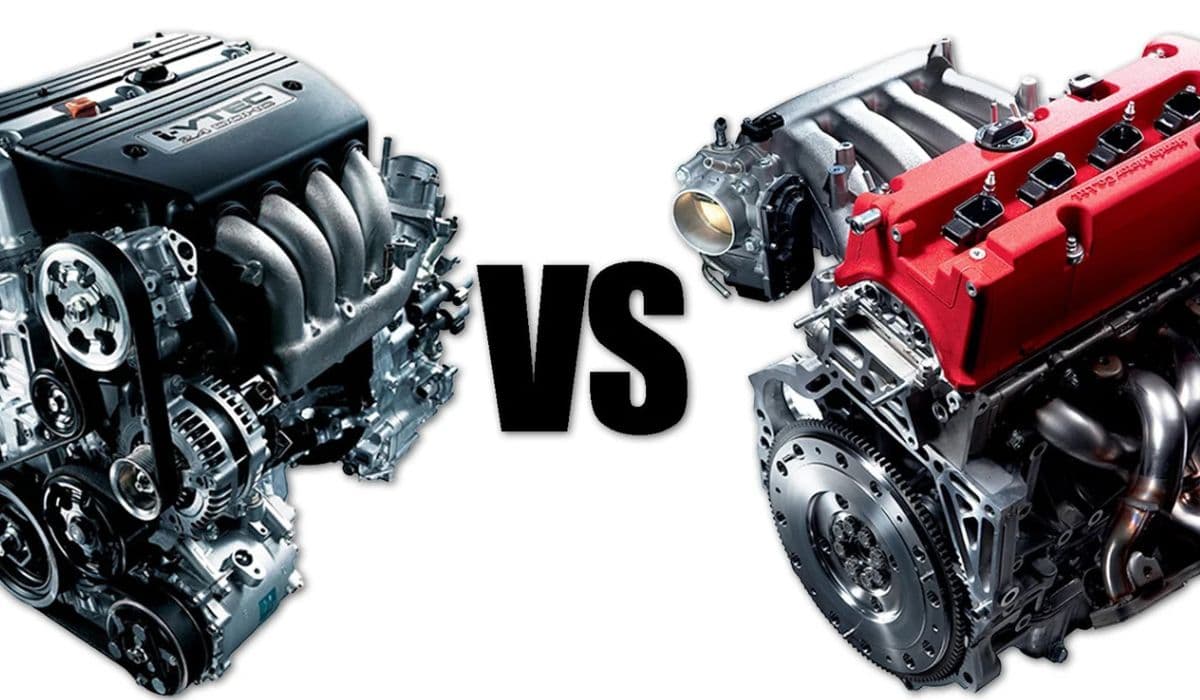
Powertrain Durability: 1.5T Turbo vs Updated 1.5T and 2.0 NA
The biggest reliability discussion always circles around the 1.5L turbo engine shared — on paper — between both generations.
The 10th-gen 1.5T (L15B7) suffered from several well-documented issues in 2016-2019 models: oil dilution from fuel blowing by into the crankcase (especially in cold climates), carbon buildup on intake valves, turbo wastegate rattle, and occasional head gasket concerns on very early builds. Honda addressed oil dilution with software updates, longer oil change intervals, and revised piston rings starting in 2019-2020. By the final 2021 refresh, most of these problems were largely resolved.
The 11th-gen 1.5T (L15BE) received revised pistons, new piston rings with lower tension, an improved PCV system, and a different turbocharger housing from day one. Real-world data from 2022-2025 Civics shows dramatically reduced oil dilution complaints — even in Canada and the northern U.S. Carbon buildup is still present due to direct injection, but the rate appears slower thanks to better oil separation.
The naturally aspirated 2.0L (K20C2/L15B7 variant) carried over with almost no changes and remains essentially trouble-free in both generations, routinely reaching 250,000-300,000 miles with basic maintenance.
Winner: 11th gen 1.5T edges ahead in long-term engine reliability.
CVT Transmission Longevity
Honda’s belt CVT in both generations is the same basic G-Design unit, but the 11th gen received updated pulley bearings, a higher-pressure oil pump, and improved fluid cooling.
10th-gen CVTs, especially 2016-2018, had a higher rate of judder, belt slip under hard acceleration, and occasional early belt failures between 80,000-120,000 miles. Honda extended the CVT warranty to 7 years/100,000 miles on early cars for a reason. Post-2019 10th-gen units and all 11th-gen CVTs show significantly fewer complaints. Fluid degradation remains the number one killer — owners who change CVT fluid every 25,000-30,000 miles report virtually no issues in either generation.
Manual transmission cars (available on Sport and Si trims) remain rock-solid across both generations with no notable differences.
Winner: Slight advantage to 11th gen due to running production changes.
Suspension and Steering Components
The 10th-gen Civic used a multi-link rear suspension with hydraulic compliance bushings that were prone to early wear, causing clunks, and fluid leaks — especially on EX and higher trims. Rear shock absorber failures before 60,000 miles were common enough that many dealers replaced them under warranty.
The 11th gen switched to solid rubber rear bushings (cheaper but stiffer) and revised damper tuning. Early 2022-2023 cars still had some rear shock leaks, but Honda issued a TSB and updated the parts mid-2023. Current 2024-2025 models appear to have this fully resolved. Front lower control arm bushing tears remain a moderate issue in both generations in salted-road regions.
Electric power steering racks in the 11th gen uses a newer dual-pinion design with fewer reported failures than the 10th-gen single-pinion setup, which occasionally developed sticky or notchy feel after 70,000 miles.
Winner: 11th gen shows fewer suspension and steering complaints after the first 18 months of production.
Electronics and Infotainment Reliability
This is the one area where the 10th generation has a clear advantage.
The 10th-gen 7-inch or 9-inch Honda Sensing suite (2019+) is relatively simple and has proven extremely reliable. Head units rarely brick, speakers don’t blow, and software updates are infrequent but stable.
The 11th gen moved to a completely new Google-based 9-inch infotainment system with wireless CarPlay/Android Auto. While feature-rich, it has suffered from:
Random black screens and reboots
Wireless connection dropouts
Over-the-air update failures that require dealer reflashing
Occasional complete head-unit replacement under warranty (2022-early 2024 builds)
The 12-speaker Bose system in Touring trims has had multiple speaker rattle and amplifier failure reports. The digital instrument cluster in Si and Touring also occasionally freezes or shows incorrect data.
Winner: 10th gen — far fewer electronic gremlins.
Body, Paint, and Interior Wear
11th-gen paint is noticeably softer and chips more easily than 10th-gen clear coat, especially on Sonic Gray, Boost Blue, and Rallye Red colors. Front bumper and hood leading edges show heavy chipping by 30,000 miles without protection film.
Interior materials in the 11th gen are a step up in perceived quality, but the honeycomb dash trim scratches easily, and the cloth seats in Sport trims show pilling earlier than 10th-gen cloth. Leather in Touring holds up similarly between generations.
The 11th-gen panoramic moonroof mechanism has a higher rate of rattle and wind noise reports than the 10th-gen single-panel roof.
Winner: 10th gen for paint durability, slight edge to 11th for interior feel.
Brakes and Rotor Wear
Both generations use similar brake hardware, but the 11th-gen rotors are slightly thinner to save weight. Rear rotors on 11th-gen non-Si models tend to warp or develop pulsation earlier (often by 25,000-35,000 miles in stop-and-go traffic). Front rotors last similarly.
Winner: 10th gen.
Real-World Owner Data (2025 Perspective)
Civic11forum.com and CivicX.com polling (50,000+ members combined) shows 11th-gen owners reporting major repairs (engine, transmission, infotainment) at roughly 60% the rate of 10th-gen owners when normalized for mileage.
Consumer Reports 2024 reliability survey gave the 2022-2024 Civic a 78/100 predicted reliability score vs 70/100 for the 2019-2021 Civic — a significant jump.
J.D. Power 2024 dependability study (3-year ownership) still favors the 2021 10th-gen slightly because most early 11th-gen bugs hadn’t surfaced yet within the survey window.
Cost of Ownership After Warranty
A 2022 Civic Touring at 60,000 miles typically needs:
CVT fluid ×2
Brake fluid flush
Possible rear shocks
Infotainment repair (if unlucky)
A comparable 2019 Civic Touring at the same mileage often needed:
Rear shocks + bushings
Possible CVT judder fix
Less electronic expense
Total out-of-pocket costs appear very similar once the 11th-gen cars are out of the early production hiccups.
Which One Is Actually More Reliable Today?
If buying used in 2025:
A 2020-2021 10th-gen Civic (facelift) with full service history is still one of the safest bets in the segment.
A 2024-2025 11th-gen Civic benefits from all running changes and has stronger structural rigidity, better corrosion protection, and a more refined powertrain.
For new buyers, the current 11th-generation Civic is the most reliable version Honda has ever built — provided you get a 2024 or newer build that includes the latest shock, infotainment, and paint updates.
Both generations will easily exceed 200,000 miles with proper care, but the 11th gen has closed almost all of the 10th gen’s Achilles’ heels while introducing a few new electronic risks that Honda continues to address.