
Nissan Frontier vibration at idle and engine roughness
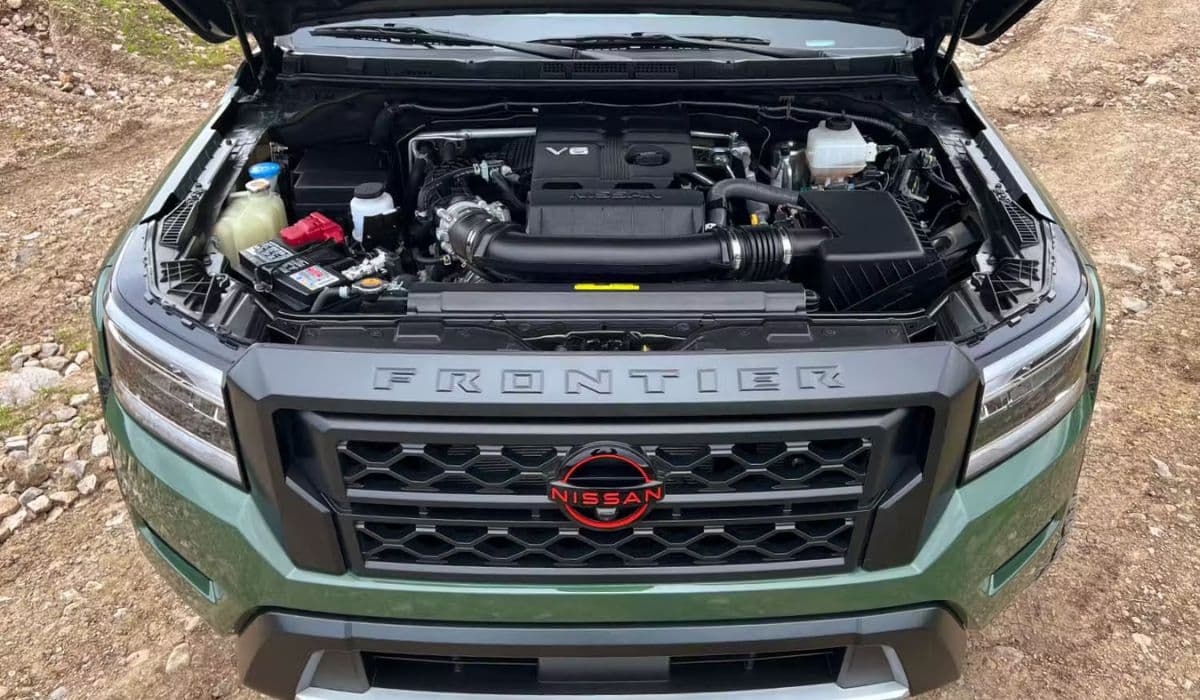
Many Nissan Frontier owners experience an annoying vibration through the steering wheel, seat, or floorboards when the truck is sitting at a stoplight or warming up in the driveway. This roughness at idle often feels like the engine is struggling to maintain smooth operation, even though it runs fine once you start driving. While some owners accept it as "truck character," the issue frequently has identifiable causes that can be addressed for a noticeably smoother experience.
This guide explores the most common reasons behind idle vibration and engine roughness in the Frontier, explains why they occur, and provides practical diagnostic steps and solutions.
Understanding the Nature of Idle Vibration in the Frontier
The Nissan Frontier's V6 engine (both older VQ40DE and newer 3.8L V6 variants) tends to exhibit more noticeable idle characteristics than many passenger cars. Several design factors contribute:
Truck frame and suspension transmit engine pulses more directly
Relatively low factory idle speed (often 600-650 RPM when warm)
Engine balance inherent to V6 layout with certain firing intervals
Automatic transmission load in Drive versus Park/Neutral
When everything functions correctly, these factors create mild vibration. Problems arise when components degrade or fall out of adjustment, amplifying the sensation into something bothersome.
Most Common Cause: Factory Idle Speed Set Too Low
Countless Frontier owners report that simply raising the idle speed by 50-100 RPM transforms the truck from "rough and shaky" to "perfectly acceptable."
Why this happens so frequently:
Modern emissions and fuel economy standards push manufacturers to lower idle RPM
The Frontier's relatively heavy engine and truck chassis amplify low-RPM pulses
When RPM drops below ~600 (especially with A/C or electrical load), vibration becomes pronounced
Signs this might be your primary issue:
Vibration disappears or greatly reduces when shifting to Neutral or Park
Problem is present from new or low mileage
No check engine light or obvious misfire
Many owners have resolved this permanently through ECU reprogramming or idle relearn procedures that target a slightly higher target RPM.
Worn or Failed Engine and Transmission Mounts
Engine mounts serve as the critical bridge between the powerplant and the chassis. When they deteriorate, the engine moves excessively during idle, transmitting vibration directly into the cabin.
Key indicators of mount problems:
Vibration changes dramatically when shifting between Drive and Reverse
Clunking or thudding when shifting gears
Visible cracks, collapsed rubber, or leaking fluid in hydraulic mounts
Excessive engine rocking when revving in neutral
Frontier mounts tend to show wear earlier in high-mileage examples or trucks used for towing and heavy loads. Replacing worn mounts often brings the single biggest improvement in idle quality.
Dirty Throttle Body and Carbon Buildup
Over time, the throttle body accumulates carbon deposits that disrupt smooth airflow at low RPM. This creates uneven air distribution, leading to inconsistent combustion and roughness.
Symptoms pointing to throttle body issues:
Roughness that improves after cleaning
Hesitation during light throttle transitions
Occasional low-RPM stumble when coming to a stop
Cleaning the throttle body with appropriate solvent and a soft brush often restores smoothness, especially when combined with an idle relearn procedure afterward.
Ignition System Components: Spark Plugs and Coils
Worn spark plugs or failing ignition coils create subtle misfires that become most noticeable at idle when combustion events are spaced farther apart.
Common ignition-related clues:
Slight miss or "lope" that smooths out above 1000 RPM
Occasional stumble during initial acceleration from stop
Reduced fuel economy alongside roughness
Regular inspection and timely replacement of plugs (and coils when needed) prevent small issues from growing into larger drivability concerns.
Vacuum Leaks – The Sneaky Idle Destroyer
Any unmetered air entering the intake after the mass airflow sensor confuses the engine computer, leading to unstable idle and vibration.
Typical vacuum leak locations on Frontier:
Cracked or disconnected intake manifold gaskets
Failing PCV valve or hose
Split vacuum lines to brake booster or EVAP system
Loose throttle body gasket
A simple smoke test or careful listening with a stethoscope often reveals these leaks quickly.
Additional Less Common Contributors
Several other factors occasionally cause or amplify idle roughness:
Dirty or failing MAF sensor sending incorrect airflow data
Weak fuel pressure from aging pump or clogged filter
Harmonic balancer degradation (rare but possible on high-mileage trucks)
Airbag clock spring or steering column issues creating perceived vibration
Low-quality fuel causing slight detonation/knock at low RPM
Systematic Diagnostic Approach
When tackling idle vibration, follow this logical sequence:
Check for stored diagnostic trouble codes even without a check engine light
Observe RPM behavior in Park vs Drive and with A/C on/off
Inspect all engine mounts visually and with a pry bar test
Clean throttle body and MAF sensor
Perform idle air volume relearn procedure if applicable
Test/replace spark plugs if due
Check for vacuum leaks with smoke or carb cleaner spray method
Consider slight idle speed increase if everything else checks out
Many Frontier owners discover that multiple small issues compound to create the annoyance. Addressing them systematically usually yields excellent results.
More from Nissan
Nissan Sentra CVT jerkiness and premature failure reports
16.01.2026 09:33
Nissan Sentra budget-friendly compact with solid fuel economy
15.01.2026 17:31
Interior quality and outdated tech complaints Nissan Frontier
15.01.2026 15:26
Nissan Frontier reliable V6 engine for truck duties
15.01.2026 13:17
Nissan Pathfinder off-road capability in Rock Creek trim
14.01.2026 17:12