Nissan Sentra CVT jerkiness and premature failure reports
The Nissan Sentra has long appealed to budget-conscious drivers seeking reliable daily transportation with good fuel economy. Its Xtronic Continuously Variable Transmission (CVT) promised seamless acceleration and efficiency — but for many owners, the reality has been far different. Reports of jerkiness, shuddering, hesitation, and surprisingly early transmission failures continue to surface across various forums, complaint databases, and owner communities.
This article explores the most frequently reported issues, underlying technical causes, real-world driving experiences, and practical strategies for dealing with these persistent problems.
Understanding the Nissan Xtronic CVT Design
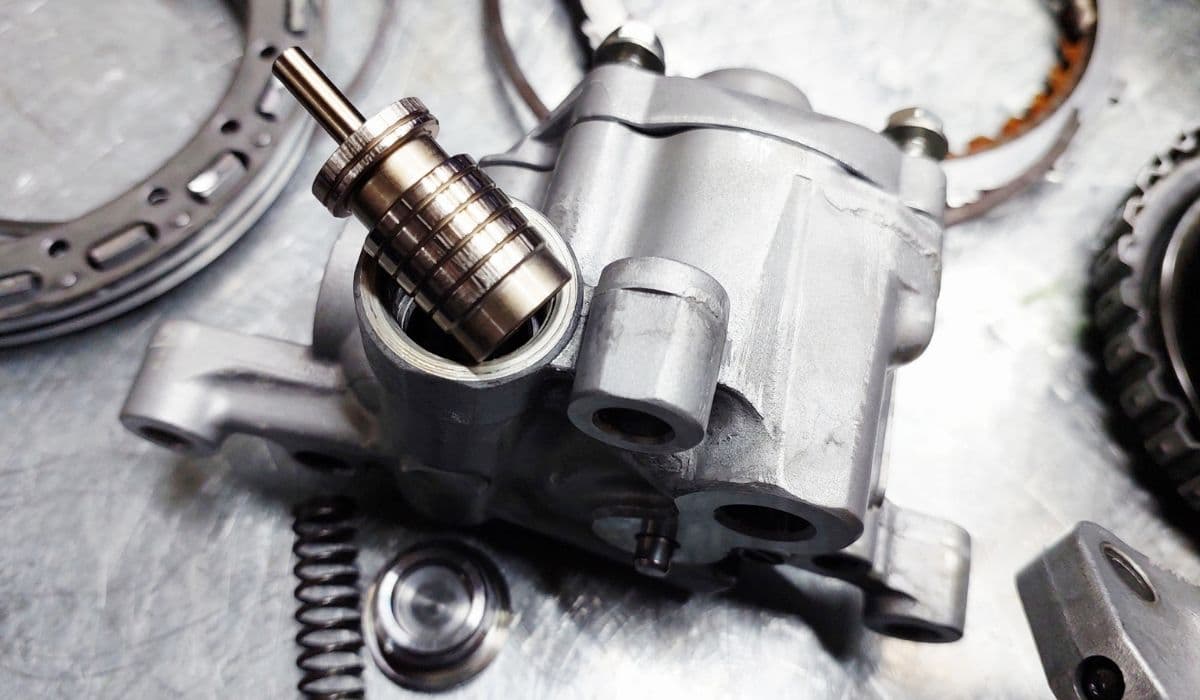
 Unlike conventional automatic transmissions with fixed gears, the Xtronic CVT uses a steel belt (or chain in some later versions) running between two variable-diameter pulleys. This setup allows an infinite range of gear ratios, theoretically delivering smoother power delivery and better efficiency.
In practice, however, the system demands extremely precise control of belt tension, pulley position, and hydraulic pressure — all managed by the transmission control module (TCM) and dependent on clean, high-quality fluid. Any deviation quickly leads to noticeable drivability issues.
Most Common Symptoms Owners Report
Owners frequently describe a cluster of similar experiences that typically begin subtly and worsen over time. Here are the hallmark signs:
Shuddering or juddering during light to moderate acceleration, especially between 20–45 mph
Abrupt jerking when taking off from a stop or during low-speed maneuvers
Hesitation or delayed response when pressing the accelerator — the engine revs but the car feels reluctant to move
Rubber-band sensation followed by sudden lurch forward
High RPMs without matching speed increase (classic slipping behavior)
Vibrations through the floorboard or steering wheel during steady cruising
Unexpected surging or harsh engagement after slowing down
Whining, buzzing, or grinding noises from the transmission area
Many drivers note that symptoms intensify when the transmission is warm — after 15–20 minutes of driving — pointing strongly toward heat-related degradation.
Why Does Jerkiness Happen So Frequently?
Several interconnected factors contribute to the characteristic jerkiness:
Belt/pulley slip — The steel belt loses grip momentarily, causing a brief loss of drive followed by violent re-engagement
Hydraulic pressure fluctuations — Worn valve body solenoids or contaminated fluid lead to inconsistent pulley clamping force
TCM calibration issues — Early software versions sometimes caused abrupt ratio changes; later updates tried to simulate stepped shifts (with mixed results)
Overheating cycles — Inadequate cooling capacity allows fluid temperatures to spike, accelerating varnish buildup and component wear
Torque converter shudder — Some models exhibit converter clutch chatter that feels similar to CVT judder
These problems rarely appear suddenly — they usually creep in gradually, making early detection challenging.
Premature Failure Patterns: What Owners Experience
The most concerning aspect remains the surprisingly short lifespan many Sentra CVTs exhibit. While some units last well beyond 150,000 miles with meticulous care, numerous reports describe complete failure well under six figures.
Typical progression looks like this:
First signs appear around 40,000–70,000 miles (sometimes earlier)
Intermittent jerking/shuddering becomes constant within 10,000–20,000 more miles
Slipping and power loss develop next
Final stage: complete loss of drive, warning lights, limp mode, or total failure requiring replacement
Many owners describe the transmission suddenly refusing to move forward in traffic — a terrifying experience on busy roads or highways.
Contributing Factors Accelerating Wear
Several usage and maintenance patterns dramatically shorten CVT life:
Frequent stop-and-go city driving with short trips
Aggressive acceleration habits or carrying heavy loads
Skipping or delaying recommended fluid services
Using non-genuine or incorrect fluid specifications
Operating in very hot climates without additional cooling
Ignoring early warning signs for extended periods
Heat remains the single biggest enemy — every 20°F above normal operating temperature roughly halves fluid life and accelerates internal wear exponentially.
Maintenance Strategies to Maximize Longevity
While no strategy guarantees trouble-free ownership, proactive owners often report significantly better outcomes:
Change CVT fluid every 25,000–40,000 miles using genuine Nissan NS-3 (or approved equivalent)
Never flush with high-pressure machines — only drain-and-fill method
Install an aftermarket transmission cooler if you frequently drive in hot conditions or heavy traffic
Avoid prolonged high-RPM operation or aggressive launches
Monitor fluid condition regularly (should remain relatively clear and free of metallic particles)
Address even minor shuddering immediately rather than waiting for worsening
Some owners who follow strict maintenance schedules report reaching 120,000+ miles without major issues, though they remain in the minority.
Real-World Driving Experiences
Drivers describe the jerkiness as "embarrassing in traffic," "dangerous when merging," or "feeling like the car is possessed." Many mention sudden lunges after hesitation, making smooth stop-and-go driving nearly impossible.
Others note the paradox: the same transmission that feels buttery smooth when brand new becomes increasingly unpredictable as miles accumulate — turning what should be relaxing commuter transportation into a source of constant anxiety.
Despite improvements in later generations, the pattern of complaints persists, leading many to question whether the convenience of a CVT outweighs the potential headaches.
More from Nissan
Nissan Sentra budget-friendly compact with solid fuel economy
15.01.2026 17:31
Interior quality and outdated tech complaints Nissan Frontier
15.01.2026 15:26
Nissan Frontier reliable V6 engine for truck duties
15.01.2026 13:17
Nissan Frontier vibration at idle and engine roughness
15.01.2026 09:15
Nissan Pathfinder off-road capability in Rock Creek trim
14.01.2026 17:12