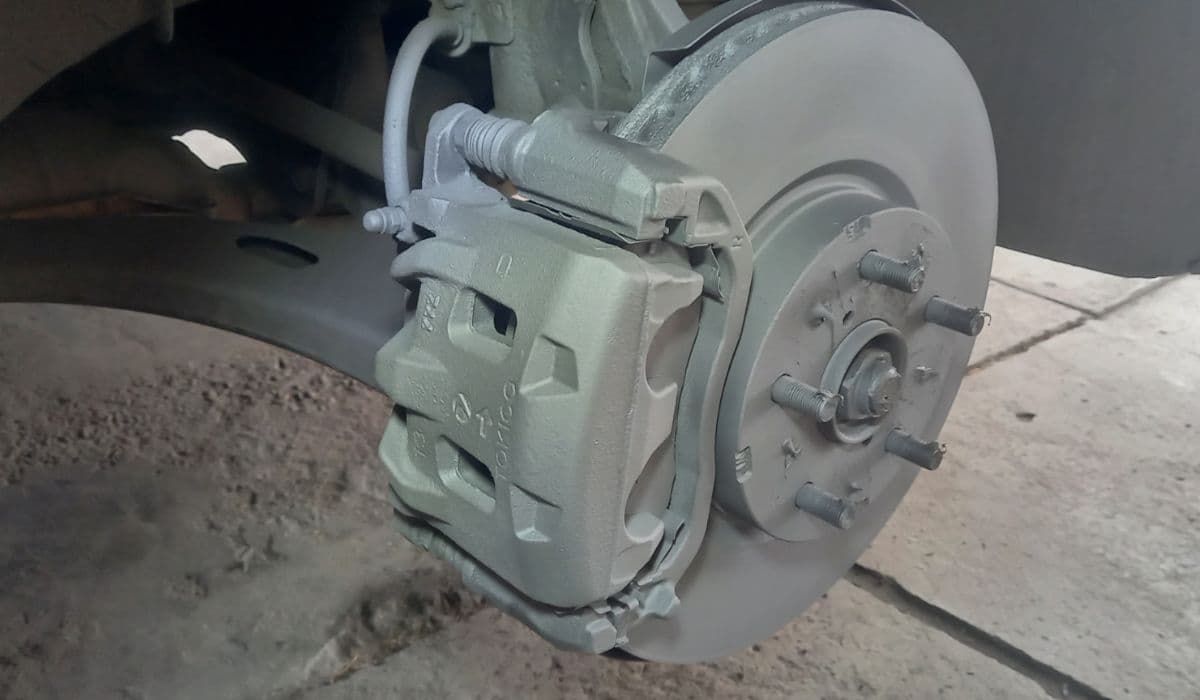
Subaru wheel bearings notorious for early wear
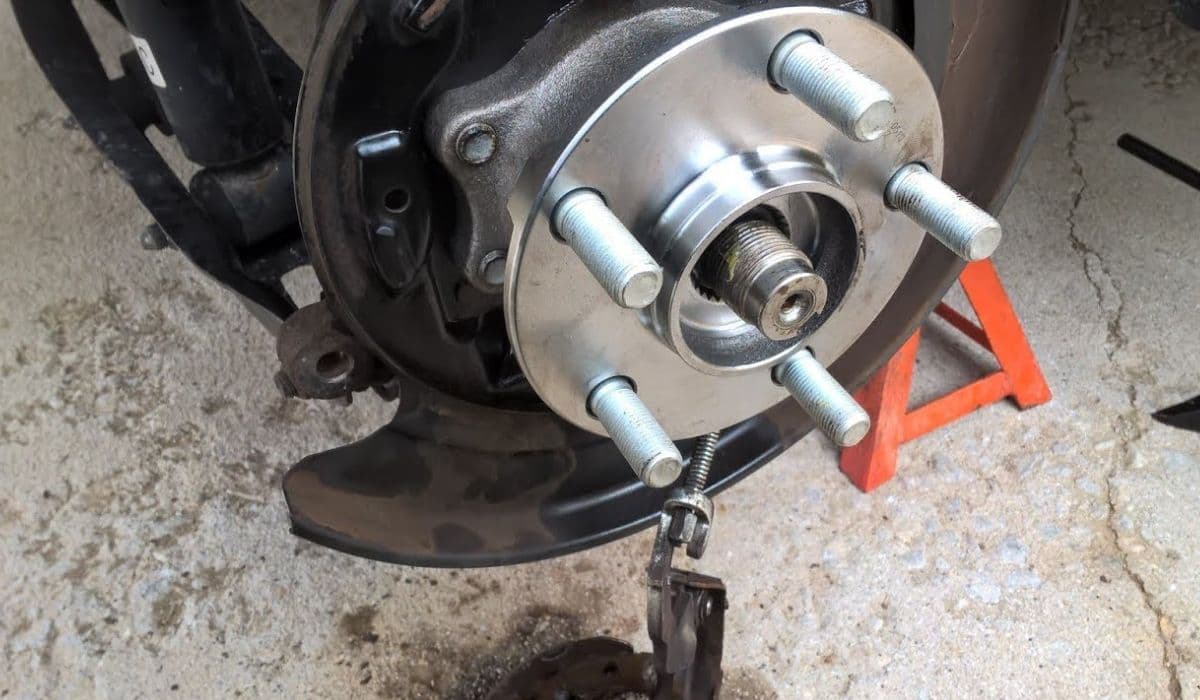
Subaru vehicles have built a loyal following thanks to their symmetrical all-wheel-drive system, rugged reliability in adverse conditions, and engaging driving dynamics. However, one recurring complaint among owners stands out: wheel bearings that wear out far sooner than expected. Unlike many other brands where these components often last well beyond 100,000 miles, Subaru bearings—especially in certain models—frequently demand attention at much lower mileages, sparking frustration and discussions across enthusiast communities.
This issue isn't universal across every Subaru ever produced, but patterns emerge clearly from owner experiences. Rear wheel bearings tend to attract the most attention, though fronts aren't immune. The problem manifests as an irritating, persistent noise that grows with speed, turning routine highway drives into a symphony of unwanted sounds.
Why Subaru Wheel Bearings Seem Prone to Premature Failure
Several factors contribute to this reputation. Subaru's symmetrical drivetrain and higher ride height place unique stresses on the suspension components. The AWD system distributes torque to all wheels continuously, which increases load on bearings compared to front- or rear-wheel-drive setups. Combined with the brand's popularity in regions with harsh winters, potholes, and road salt, environmental assault accelerates degradation.
Sealed wheel bearing assemblies, now standard in most modern vehicles, rely on robust rubber or metal seals to keep grease in and contaminants out. When these seals compromise—often due to corrosion buildup or manufacturing tolerances—water, dirt, and salt invade the bearing. Contaminants circulate like abrasive sandpaper inside the races, breaking down lubricant and generating excessive heat. Over time, the grease thins, escapes, or carbonizes, leaving metal grinding on metal.
Installation practices also play a role. Over-torquing axle nuts during wheel changes or repairs can preload the bearing excessively, distorting internal geometry and hastening wear. Some technicians note that Subaru's torque specifications push the upper limits, making air tools risky if not calibrated precisely. Under-torquing, conversely, allows movement that pounds the bearing prematurely.
Design quirks in specific generations exacerbate matters. Certain models feature backing plates or hub-knuckle interfaces that trap moisture, leading to rust that expands and stresses the assembly. Technical service bulletins have addressed these in some cases by introducing revised backing plates to improve drainage and reduce corrosion risk.
Common Symptoms of Failing Subaru Wheel Bearings
Recognizing the signs early can prevent more expensive damage, such as hub damage or uneven tire wear. Here are the most frequently reported indicators:
Humming or growling noise that increases with vehicle speed, often most noticeable between 30-60 mph before fading at very low speeds.
Cyclic roaring or grinding that may change pitch or intensity when cornering—left turns quieting a right-side bearing issue, for example.
Vibration felt through the floorpan, steering wheel, or seat, especially at highway speeds.
Slight play when jacking up the wheel and rocking it top-to-bottom (though many failing bearings show minimal play until advanced stages).
ABS warning light illumination in some cases, as the sensor ring on the hub distorts or the bearing wobbles.
Uneven tire wear or vehicle pulling slightly to one side during straight-line driving.
The noise typically starts subtly, like distant road hum, then evolves into an unmistakable drone that drowns out music or conversation. Many owners describe it as driving with a plane overhead or a failing alternator whine—persistent and maddening.
Models Most Affected and Owner Experiences
While no Subaru escapes potential issues entirely, certain lines draw more complaints. Compact crossovers and smaller platforms often see rear bearings fail first, possibly due to weight distribution and suspension geometry. Owners of these vehicles frequently report replacements needed well before major milestones.
Forums overflow with stories of multiple rear bearing swaps on the same vehicle, sometimes within short intervals. One pattern involves rear bearings on models with independent rear suspension, where vertical travel and side loads compound stress. Enthusiasts who track mileage note that highway commuters sometimes reach respectable distances, but those facing urban potholes, salted roads, or frequent curb contacts see failures accelerate dramatically.
Interestingly, some long-term owners report original bearings lasting impressively high mileages with gentle use, suggesting driving style and environment heavily influence outcomes. Those in milder climates or who prioritize undercarriage protection often fare better.
Prevention and Maintenance Strategies
Proactive care extends bearing life significantly. Regular underbody washes—especially after winter drives—remove salt and debris that accelerate seal failure. Inspecting wheel play during tire rotations catches issues early.
When replacing bearings, opt for quality components. Many owners prefer OEM or Japanese-manufactured equivalents for better seal design and material consistency. Proper installation proves crucial: clean mating surfaces, apply anti-seize where appropriate, and torque axle nuts exactly to specification using a calibrated tool rather than impact guns.
Driving habits matter too. Avoid slamming over potholes, maintain proper tire pressure and alignment, and steer clear of overloading the vehicle. These small actions reduce cumulative stress on an already challenged component.
Subaru's all-wheel-drive prowess and boxer-engine character remain compelling reasons to own one, but wheel bearings represent a notable maintenance consideration. Staying vigilant about unusual noises and addressing them promptly keeps the adventure rolling smoothly.