
Subaru brake sensitivity and potential issues noted
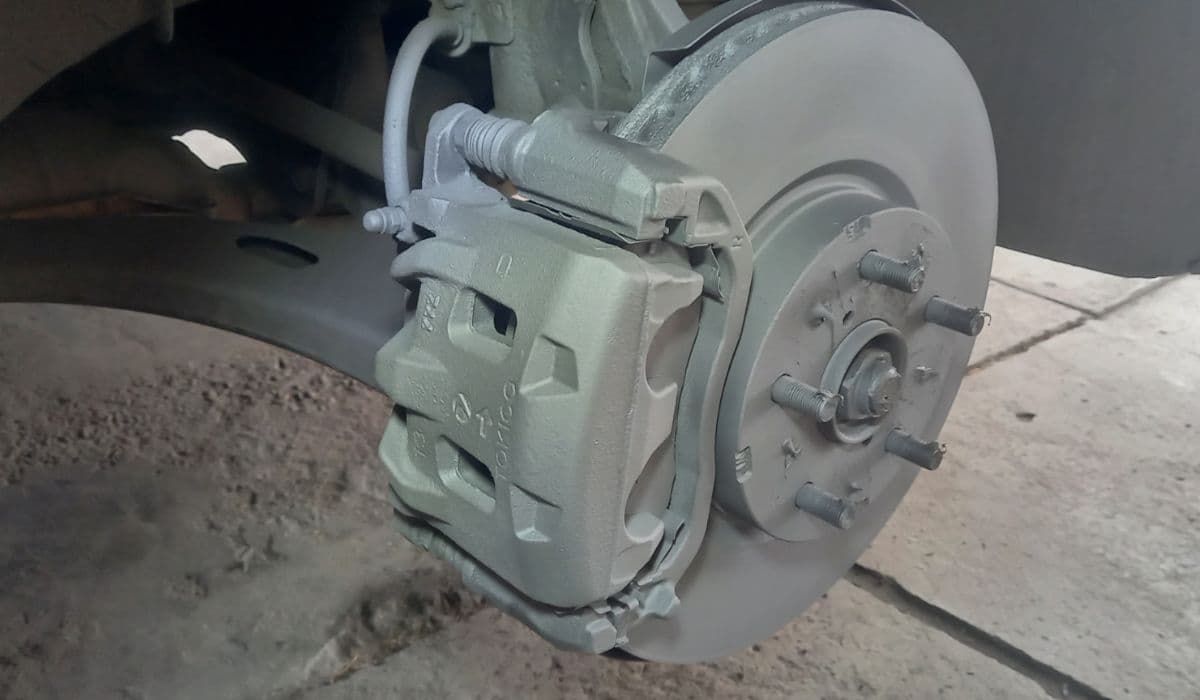
Subaru vehicles are celebrated for their symmetrical all-wheel drive, boxer engines, and rugged reliability, yet the braking system often sparks discussion among owners. Brake sensitivity—the way the pedal responds to foot pressure—varies noticeably across models and can feel distinctly different compared to many other brands. Some drivers describe an initial sharp response that catches them off guard, while others note a longer travel before firm engagement or an overall softer sensation. These characteristics stem from Subaru's engineering choices aimed at blending safety, modulation, and everyday drivability.
Understanding Brake Pedal Feel in Subaru Models
The brake pedal in many Subarus offers progressive response rather than immediate aggressive bite. This design prioritizes smooth control, especially useful in varied conditions like wet roads, snow, or off-pavement driving where abrupt stops could unsettle the vehicle.
Initial travel often feels light or slightly soft due to the vacuum brake booster setup and hydraulic ratios tuned for comfort.
Mid-pedal range provides increasing resistance, allowing precise modulation for gradual slowing.
Final portion delivers strong stopping power, supporting confident emergency maneuvers.
This linear progression helps prevent over-braking in daily scenarios but can require adjustment if coming from vehicles with more immediate "grabby" brakes.
Why Some Drivers Perceive Overly Sensitive Brakes
Certain Subaru owners report brakes that feel too touchy, particularly at low speeds or during light application. The car slows more quickly than anticipated with minimal pedal effort.
High-performance pads or aggressive friction materials contribute to strong initial bite.
Brake booster amplification provides substantial assist, making even gentle presses effective.
Caliper design and pad compound choices emphasize quick response for safety.
New owners frequently mention needing time to adapt, especially after switching from older or less assisted systems. Once accustomed, many appreciate the confidence this provides in sudden situations.
The Common Complaint: Spongy or Soft Brake Pedal
A frequent observation involves a spongy, mushy, or overly long pedal travel before solid engagement. The pedal may sink noticeably farther than expected, reducing confidence during stops.
Air trapped in brake lines compresses instead of transmitting force, creating that soft feel.
Moisture-contaminated brake fluid lowers boiling point and introduces compressibility over time.
Worn or leaking master cylinder fails to maintain consistent pressure.
Degraded rubber brake hoses expand under pressure, delaying firm response.
This issue appears more pronounced after periods of inactivity or in models with higher mileage, though it can surface earlier if fluid maintenance is neglected.
Other Factors Influencing Brake Sensitivity
Beyond the pedal itself, several elements affect overall braking sensation in Subarus.
Brake pad material varies by model; some prioritize low dust and quiet operation, potentially altering bite.
Rotor condition plays a role—warped or uneven surfaces cause pulsing that masks true sensitivity.
Caliper slide pins sticking from corrosion or lack of lubrication lead to uneven application and altered feel.
ABS integration and electronic aids subtly influence modulation, especially during threshold braking.
In hilly regions or during repeated hard stops, heat buildup can temporarily soften response until components cool.
Diagnosing Sensitivity-Related Concerns
Identifying whether brake feel indicates a problem or simply characteristic behavior involves systematic checks.
Pump the pedal with the engine off to assess firmness; it should build resistance quickly.
Start the engine while holding the pedal down—the booster should cause a slight drop if functioning.
Inspect for visible fluid leaks around wheels, hoses, or the master cylinder area.
Monitor for dashboard warnings related to brakes or ABS during drives.
If pedal feel changes suddenly or worsens progressively, professional inspection becomes essential to rule out hydraulic issues.
Addressing and Improving Brake Response
Many sensitivity quirks respond well to targeted maintenance, restoring confidence without major overhauls.
Regular brake fluid flushes remove moisture and air, sharpening pedal feel dramatically.
Bleeding the system thoroughly eliminates trapped air pockets that cause sponginess.
Upgrading to fresh pads and rotors can refine bite and consistency.
Lubricating caliper pins and hardware prevents sticking that dulls response.
Ensuring proper adjustment of components like the brake booster check valve maintains assist levels.
Owners often report noticeable improvements after these steps, transforming a vague pedal into one that feels precise and reassuring.
Real-World Driving Scenarios and Brake Behavior
Subaru brakes shine in diverse conditions, but sensitivity nuances become evident in specific situations.
In stop-and-go traffic, light progressive application prevents jerky stops.
On slippery surfaces, the modulated feel aids controlled slowing without lockup.
During spirited driving, strong final travel supports trail-braking techniques effectively.
Understanding these traits enhances enjoyment and safety rather than viewing them as flaws.
More from Subaru
Subaru SiriusXM aggressive ads covering screen irritating
22.01.2026 15:12
Subaru rear seat recline removal in newer models drawback
22.01.2026 10:06
Subaru vs competitors low maintenance costs win
22.01.2026 08:00
Subaru owner satisfaction high due to safety and AWD
21.01.2026 16:55
Subaru CVT judder and potential long-term failures
21.01.2026 14:52