2025 Tesla Model 3 Highland 6 months later
The 2025 Tesla Model 3 Highland has been on the roads for half a year now, and it's time to dive deep into how this refreshed electric sedan holds up in real-world scenarios. Launched in mid-2025 amid high expectations, the Highland variant builds on Tesla's reputation for innovation, blending refined aesthetics, enhanced efficiency, and cutting-edge technology. From urban commutes to long highway drives, owners and enthusiasts have put it through its paces, revealing strengths in performance and software integration while highlighting areas for potential improvement. This review draws from extensive user reports, performance data, and feature analyses to provide an in-depth look at what makes the 2025 Model 3 Highland a standout in the EV market.
Design and Exterior Refinements
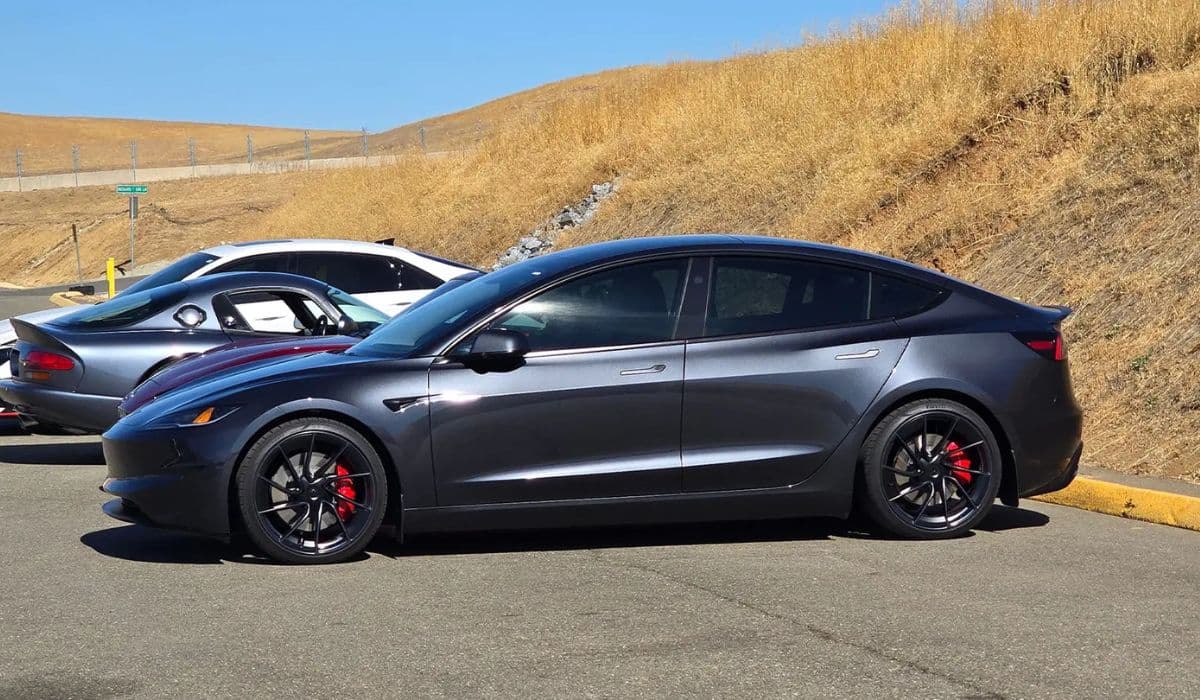
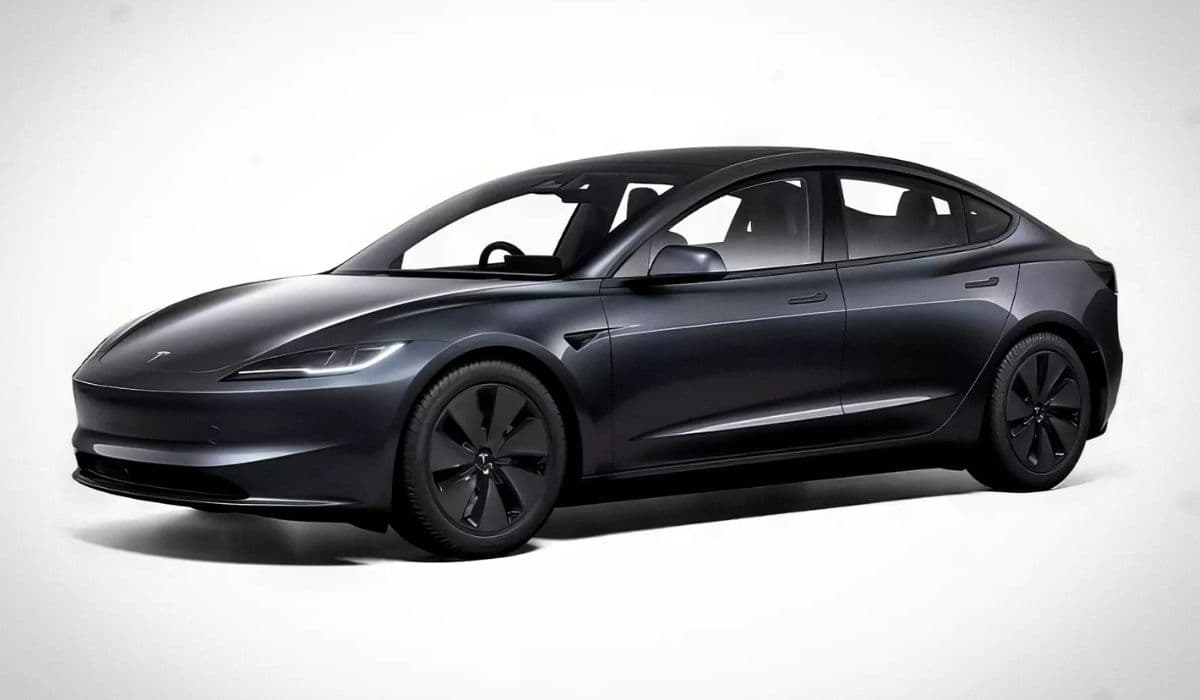
The exterior of the 2025 Model 3 Highland features subtle yet impactful updates that emphasize aerodynamics and modern appeal. Tesla engineers focused on reducing drag coefficient to an impressive 0.219, achieved through a sleeker front fascia with narrower LED headlights and a more sculpted hood. The grille-less design remains iconic, but new air curtains integrated into the bumper improve airflow, contributing to better range efficiency.
Wheel options have expanded, with standard 18-inch Aero wheels offering a balance of style and low rolling resistance, while optional 19-inch and 20-inch variants cater to those seeking a sportier stance. Body colors now include deeper shades like Ultra Red and Stealth Grey, with enhanced paint durability thanks to a new clear coat formula that resists chips and scratches better than previous models. Rear taillights adopt a full-width LED bar, enhancing visibility and giving the car a more premium look at night.
In terms of build quality, early adopters note improved panel gaps and door alignments compared to the pre-Highland Model 3. However, some report minor issues with the frameless windows in cold weather, where seals occasionally allow slight wind noise at highway speeds. Overall, the design evolution prioritizes functionality, making the Highland feel more mature and road-ready for diverse driving conditions.
Interior Upgrades and Comfort Features
Stepping inside the 2025 Model 3 Highland reveals a cabin that's been thoughtfully redesigned for comfort and usability. The most noticeable change is the wraparound dashboard with an integrated ambient lighting system that syncs with the infotainment display, creating a customizable atmosphere. Seats have been upgraded with ventilated front options on higher trims, using perforated vegan leather that's both breathable and easier to clean.
The 15.4-inch central touchscreen remains the command center, but software optimizations make navigation more intuitive. Rear passengers benefit from a new 8-inch touchscreen for climate and entertainment controls, reducing the need to reach forward. Cargo space stands at 15 cubic feet in the trunk, plus a front frunk of 3.1 cubic feet, with improved organization via optional dividers.
Sound insulation has seen significant improvements, with double-pane glass on all windows cutting road noise by up to 30% according to Tesla's specs. This makes long trips quieter, though some users in noisy urban areas still opt for aftermarket soundproofing. The steering wheel, now with haptic feedback buttons instead of stalks for indicators and wipers, takes some getting used to but enhances the minimalist vibe once adapted.
Performance Metrics and Driving Dynamics
Under the hood—or rather, the floor—the 2025 Model 3 Highland delivers exhilarating performance across its variants. The rear-wheel-drive base model accelerates from 0 to 60 mph in 5.8 seconds, powered by a single motor producing 283 horsepower. The Long Range all-wheel-drive version shaves that to 4.2 seconds with dual motors totaling 394 horsepower, while the Performance trim hits 3.1 seconds thanks to 510 horsepower and adaptive suspension.
Handling benefits from a lower center of gravity and refined chassis tuning, making cornering precise and body roll minimal. Tesla's one-pedal driving mode, enhanced with stronger regenerative braking, allows for smoother stops in traffic. Real-world tests show the Performance model achieving quarter-mile times around 11.5 seconds, competitive with sports cars costing far more.
Efficiency remains a highlight, with the Long Range model offering an EPA-estimated 358 miles on a single charge from its 82 kWh battery pack. Owners report achieving close to 320 miles in mixed driving, factoring in highway speeds and climate control usage. The base model's 272-mile range suits city dwellers, but frequent long-distance travelers appreciate the optional heat pump for better cold-weather performance, preserving up to 15% more range in sub-zero temperatures.
Battery Technology and Charging Capabilities
The 2025 Highland incorporates Tesla's latest 4680 battery cells in select configurations, promising higher energy density and faster charging. Standard models use LFP (lithium iron phosphate) packs for longevity, rated for over 500,000 miles with minimal degradation. Early data from owners indicates less than 2% capacity loss after 10,000 miles, thanks to improved thermal management.
Charging speeds peak at 250 kW on V3 Superchargers, allowing a 10-80% top-up in about 25 minutes. Home charging via the Tesla Wall Connector at 11.5 kW takes roughly 7 hours for a full charge. Integration with the North American Charging Standard (NACS) opens access to more third-party stations, though compatibility varies by region.
Software updates have optimized preconditioning, reducing charge times in cold weather by preheating the battery. However, some users in areas with unreliable grid power note occasional over-the-air tweaks that temporarily limit charging rates for safety. Battery health monitoring via the app provides detailed insights, helping owners maintain optimal performance through recommended charging habits.
Software Integration and Autopilot Advancements
Tesla's strength in software shines in the 2025 Model 3 Highland, with Full Self-Driving (FSD) capabilities evolving rapidly through over-the-air updates. The latest FSD Beta version 12.5 introduces smoother lane changes and better handling of complex intersections, using enhanced neural networks trained on millions of miles of data.
The infotainment system runs on a faster processor, supporting seamless streaming from services like Netflix and Spotify, even while charging. Voice commands have improved accuracy, with natural language processing handling requests like "find the nearest coffee shop with EV parking." Sentry Mode, now with AI-powered threat detection, alerts owners to potential vandalism via clearer camera feeds.
Six months in, multiple updates have addressed early bugs, such as occasional screen lag during high multitasking. Autopilot's Navigate on Autopilot feature excels on highways, maintaining safe distances and executing merges confidently. However, urban scenarios still require driver intervention in unpredictable situations like construction zones, aligning with Tesla's emphasis on supervised autonomy.
User Experiences and Reliability Insights
Feedback from 2025 Model 3 Highland owners paints a picture of high satisfaction, with many praising the vehicle's low operating costs—around $0.03 per mile in electricity versus $0.15 for gas equivalents. Reliability surveys from early adopters show fewer service visits than older models, thanks to proactive diagnostics that flag issues like tire wear or brake pad life.
Common praises include the spacious feel despite compact dimensions and the thrill of instant torque. On the flip side, some report phantom braking incidents in Autopilot, though updates have mitigated this. Build quality in U.S.-assembled units appears consistent, but international variants from Shanghai have occasional cosmetic variances.
Long-term ownership data suggests strong resale value, with depreciation rates below 20% in the first year. Community forums highlight DIY maintenance ease, like cabin filter replacements, reducing dependency on service centers. Overall, the Highland fosters a loyal user base, with many trading up from previous Teslas for these refinements.
Competitive Landscape and Market Positioning
In a crowded EV segment, the 2025 Model 3 Highland stands out against rivals like the Hyundai Ioniq 6 and BMW i4. It undercuts the i4 on price—starting at $40,000—while offering superior range and acceleration. The Ioniq 6 matches efficiency but lacks Tesla's Supercharger network, a key advantage for road trippers.
Compared to the Polestar 2, the Highland provides more rear legroom and a larger touchscreen, though Polestar edges out in premium materials. Against non-EVs like the Honda Accord Hybrid, the Model 3's zero-emission operation and tech-forward cabin appeal to eco-conscious buyers. Market share data shows Tesla capturing over 50% of U.S. EV sales, bolstered by the Highland's affordability and features.
Emerging competitors like the Chevrolet Bolt EUV offer lower entry points but fall short in performance and software sophistication. The Highland's positioning as an accessible yet advanced EV continues to drive adoption, especially with federal tax credits up to $7,500 for qualifying buyers.
Evolving Features and Long-Term Potential
Looking ahead, the 2025 Model 3 Highland benefits from Tesla's ecosystem, including integration with Powerwall for home energy management and Robotaxi potential via FSD hardware. Upcoming updates promise enhanced energy recuperation in hilly terrains and better voice assistant integration with smart home devices.
Sustainability aspects shine through recycled materials in the interior and a supply chain focused on ethical sourcing. Performance enthusiasts await potential track mode enhancements, while families appreciate child safety features like rear door locks tied to speed. As battery tech advances, future variants could push ranges beyond 400 miles, solidifying the Highland's role in Tesla's lineup.