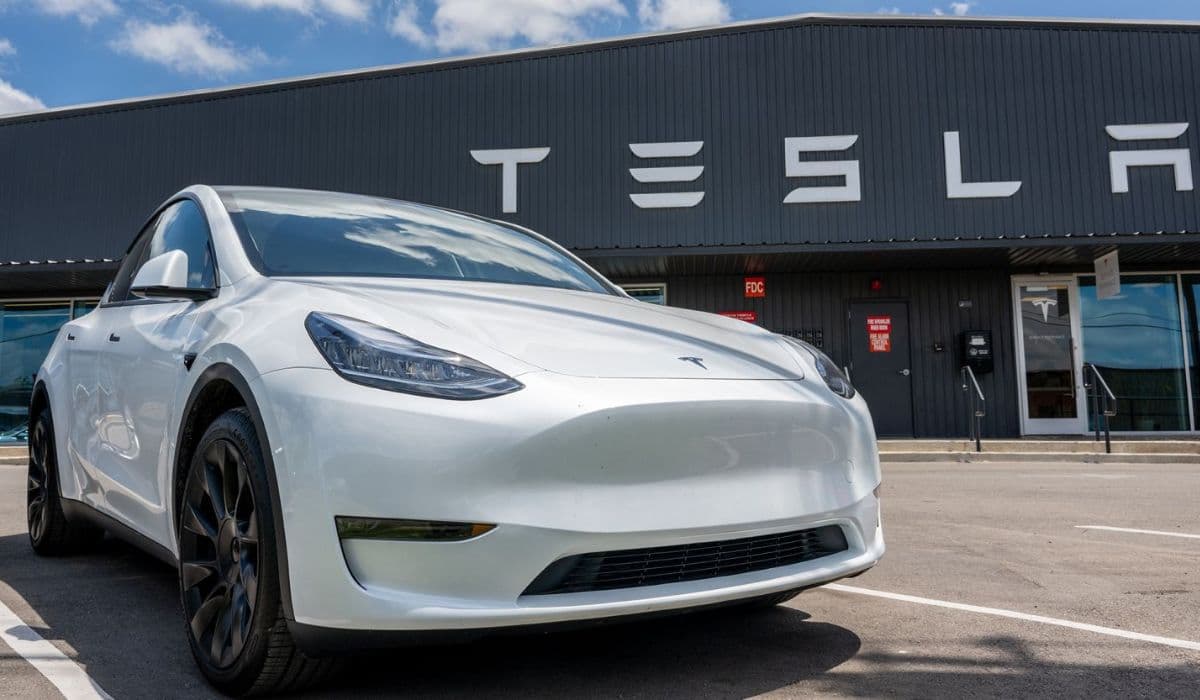
Tesla Model 3 Performance 2025 review: Faster but louder tires
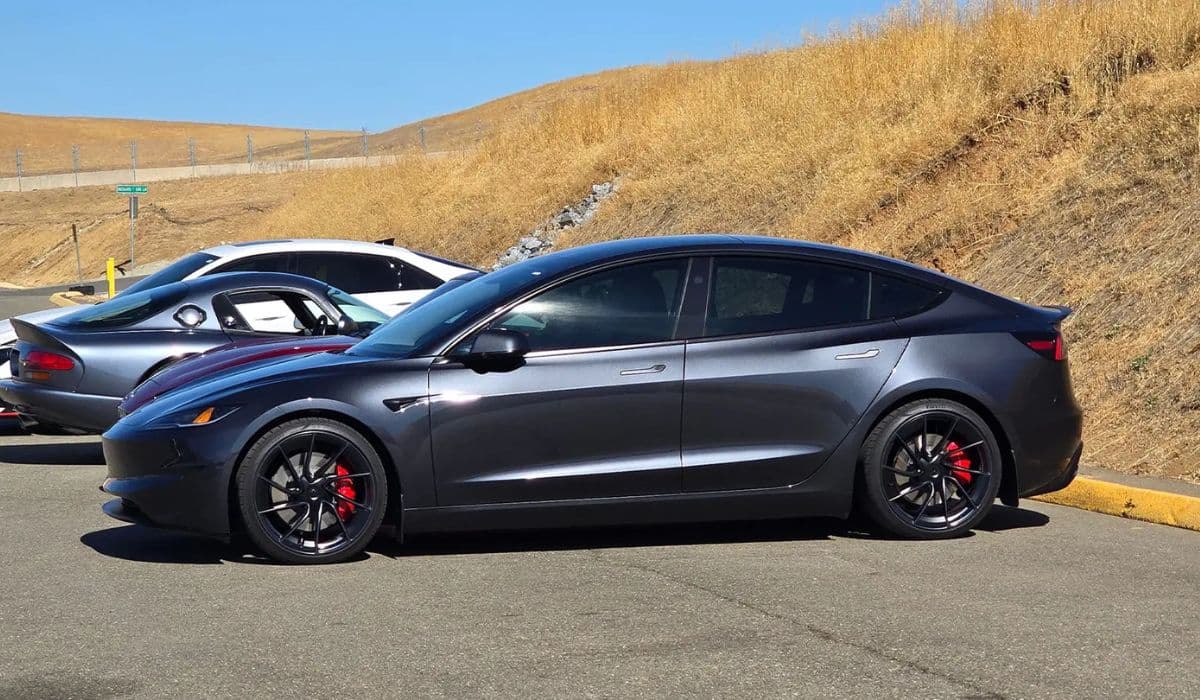
The Tesla Model 3 Performance stands out as one of the quickest sedans on the road, delivering exhilarating performance that redefines expectations for an electric vehicle. With dual electric motors producing over 500 horsepower and instant torque, it launches from a standstill with ferocious intensity.
Blasts to 60 mph in under 3 seconds, rivaling supercars
Quarter-mile times dip into the low 11-second range
Rear-biased all-wheel drive enhances traction during hard launches
This raw power comes from refined motor control and a dedicated Performance drive unit, allowing seamless torque distribution. On twisting roads, the car exits corners with sustained pull, making every drive feel dynamic and engaging. The updated Track Mode further sharpens responses, letting drivers customize handling balance for maximum fun.
Enhanced Handling and Adaptive Suspension
Tesla introduced adaptive damping to the Model 3 Performance for the first time, transforming its cornering prowess. The system adjusts in real-time to road conditions and driver inputs, striking a balance between sporty firmness and everyday comfort.
Forged staggered 20-inch wheels improve stability
Wider rear tires boost grip during acceleration out of turns
Revised chassis tuning reduces body roll while maintaining composure
The result is a car that feels planted and confident on winding roads, with precise steering feedback that encourages enthusiastic driving. Braking performance is equally impressive, with strong regeneration blending seamlessly into pedal feel for predictable stops. Whether carving canyons or navigating city streets, the chassis inspires confidence without feeling overly harsh.
The Tire Trade-Off: Grip vs. Noise
At the heart of this review lies the performance-oriented tires—custom Pirelli P Zero 4s designed specifically for Tesla. These summer compounds provide exceptional dry grip and responsive handling, but they come with a noticeable downside: increased road noise.
Aggressive tread pattern maximizes traction and cornering limits
Lower rolling resistance contributes to efficient energy use
Staggered setup (narrower front, wider rear) optimizes power delivery
However, on highways and rough pavement, the tires generate more audible hum and thrum than expected in a modern EV. While the refreshed cabin includes better sound insulation overall, reducing wind and general NVH, the tire roar remains prominent at cruising speeds. This creates a contrast—blissful silence from the powertrain interrupted by rolling noise that can fatigue on longer trips. For enthusiasts prioritizing ultimate performance, the grip justifies the compromise, but daily drivers might find it intrusive compared to quieter all-season alternatives.
Refined Interior and Daily Usability
Inside, the Model 3 Performance benefits from thoughtful updates that elevate the experience. The minimalist cabin focuses on a large central touchscreen, now with brighter displays and ventilated seats for added comfort.
Ambient lighting and premium materials create a modern atmosphere
Rear passengers gain a dedicated screen for climate and entertainment
Spacious trunk and frunk offer practical storage for weekends away
Autopilot features remain intuitive, with smooth highway assistance that reduces driver fatigue. Over-the-air updates continually refine software, adding new capabilities without visits to a service center. Battery management is efficient, supporting quick charging sessions that make road trips feasible.
Real-World Driving Impressions
In mixed driving, the Model 3 Performance shines brightest when pushed hard—acceleration pins you back, handling feels agile, and the adaptive setup absorbs imperfections better than before. Yet, the louder tires remind you of the performance focus during relaxed cruises.
Thrilling on back roads with immediate power response
Composed ride quality despite sporty tuning
Efficient enough for extended range without constant recharging
This duality makes it a versatile performer: a supercar-beater one moment, a comfortable commuter the next. The tire noise, while noticeable, doesn't overshadow the overall package for those who value speed and engagement above absolute silence.
More from Tesla
Tesla brake regen: Efficient but pedal feel confuses new owners
23.12.2025 11:35
Tesla battery degradation: Minimal with better management
23.12.2025 09:43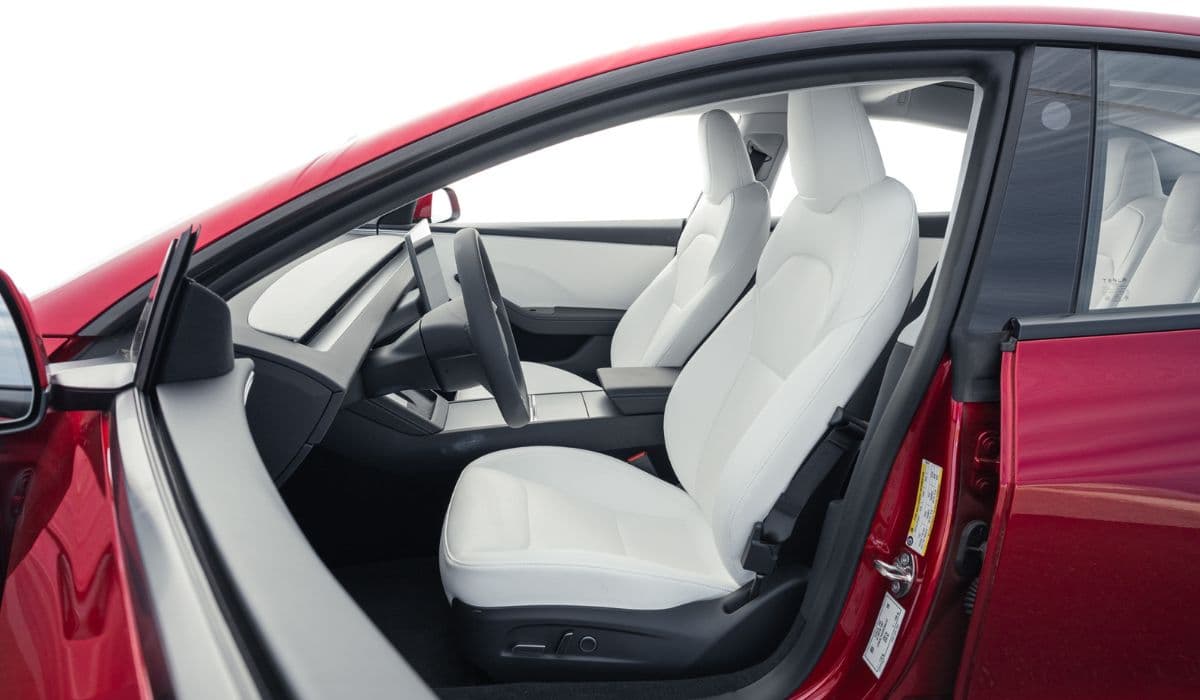
Tesla Highland interior: Premium feel but missing features
23.12.2025 09:40
Tesla Cybertruck range: Strong city but disappointing highway
23.12.2025 09:32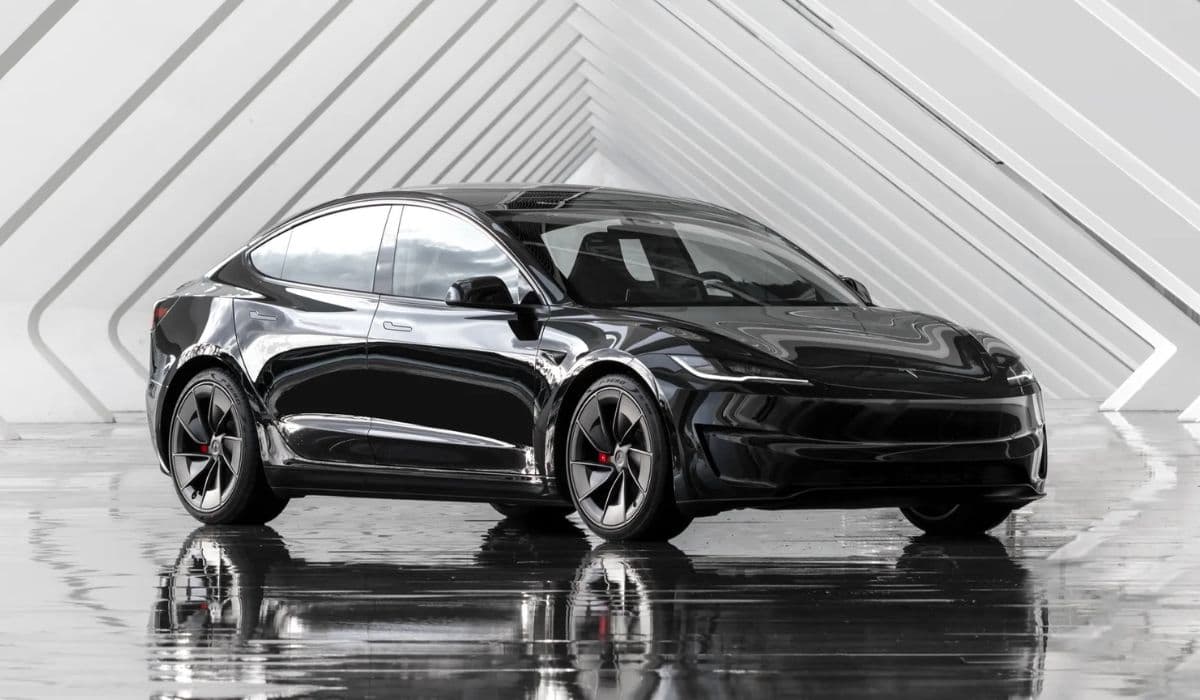
Tesla J.D. Power: High satisfaction despite service waits
23.12.2025 09:29