2GR-FKS 3.5 V6 Problems in 2016+ Toyota Tacoma and Camry: Complete Owner Guide
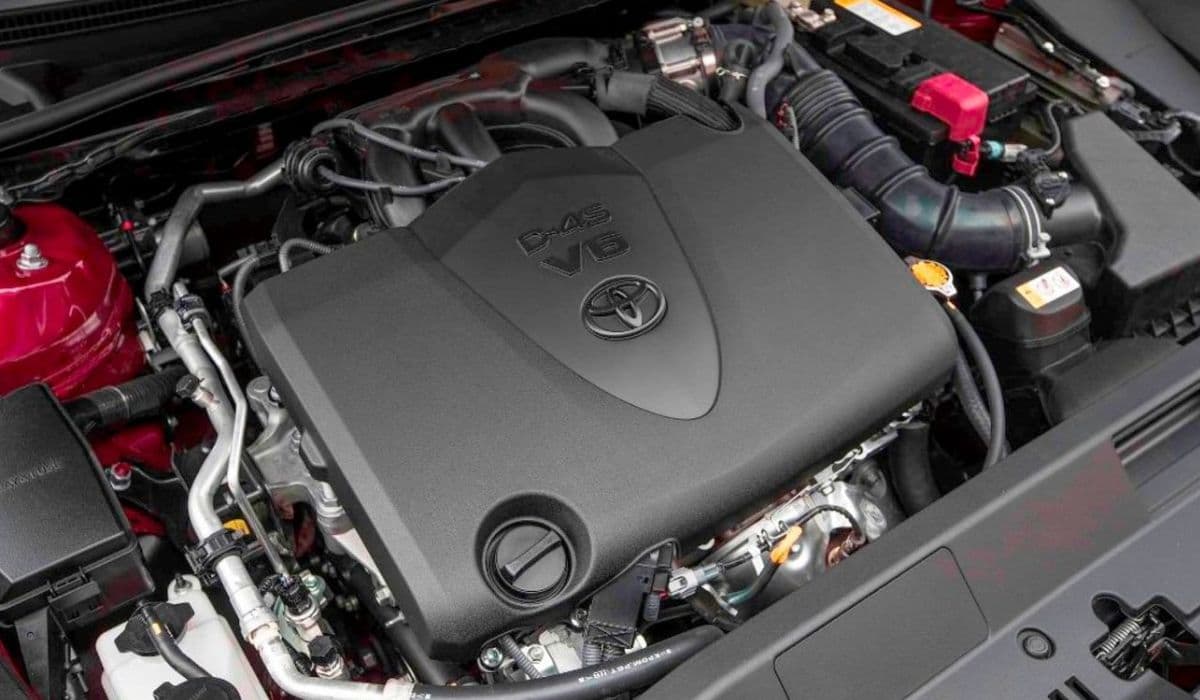
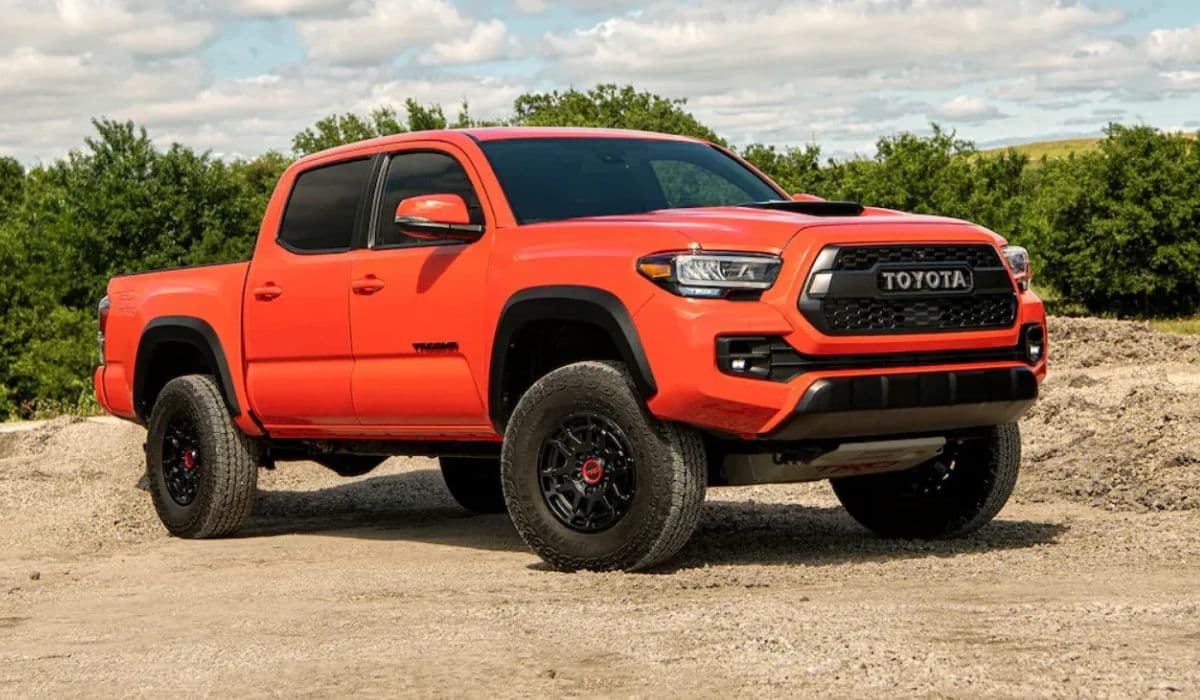
The 2GR-FKS 3.5L V6 replaced the older 2GR-FSE in 2016+ Toyota Camry (XV70) and 2016–2023 Toyota Tacoma (third generation). It introduced direct injection (D-4S dual-injection system), higher compression, Atkinson-cycle capability, and VVT-iW on the intake side. While the engine is generally considered reliable compared to many modern DI engines, several well-documented issues have affected thousands of owners, especially in the Tacoma and to a lesser extent in the Camry.
Carbon Build-Up on Intake Valves – The Biggest Long-Term Threat
Because the 2GR-FKS uses direct injection for most operating conditions, fuel no longer washes over the backs of the intake valves. Combined with aggressive PCV and EGR routing, carbon deposits accumulate rapidly. In Tacoma applications (especially 2016–2021 models) many owners report noticeable rough idle, misfire codes (P0301–P0306), and loss of power as early as 50,000–70,000 miles. Camry owners typically see the same symptoms 20,000–30,000 miles later because of gentler driving cycles and better oil control.
Toyota never released an official cleaning TSB for the 2GR-FKS, but numerous dealers perform walnut-shell blasting. Cost usually runs $600–$1,200 depending on region. Some owners successfully use CRC GDI Intake Valve Cleaner through the brake booster line every 15,000–20,000 miles as preventive maintenance, though results vary.
VVT-i Actuator Rattles and Failures (The Famous “Death Rattle”)
One of the most widely discussed 2GR-FKS problems is the variable valve timing actuator rattle on cold start. The intake camshaft gears contain a locking pin that is supposed to be held by oil pressure. Weak or delayed oil pressure (often caused by old 0W-20 oil or extended oil change intervals) allows the pin to bounce, creating a loud machine-gun rattle for 1–3 seconds.
In severe cases the pin shears completely, triggering codes P0016, P0017, P0018, P0019 and eventually destroying the cam gear. Toyota updated the intake cam gears multiple times:
Original part 13050-0P040 → 13050-0P041 → 13050-0P042 → current 13050-0P050 (most robust)
Many 2016–2019 Tacoma and Camry vehicles still have the early revision gears. Replacement of both intake cam gears plus VVT-i solenoids typically costs $2,000–$3,500 at a dealership.
Oil Consumption and Low-Speed Pre-Ignition (LSPI) Events
Toyota quietly revised piston and ring design in late 2019 production because of higher-than-expected oil consumption (some 2017–2019 Tacomas burn 1 qt every 1,000–2,000 miles). The issue is most common in trucks that tow or frequently run at high loads with 87 octane fuel.
The same low-tension piston rings designed for fuel economy also contributed to occasional catastrophic low-speed pre-ignition events. Several documented cases exist of 2GR-FKS engines suffering cracked pistons or bent rods when the engine experienced mega-knock under load at 1,800–2,500 rpm. Toyota recommends 87 octane but many owners in hot climates or who tow now run 91–93 exclusively.
High-Pressure Fuel Pump Noise and Early Failures
The D-4S System
The engine-mounted high-pressure direct-injection pump is driven directly off the intake camshaft and is known for developing an extremely loud ticking or marble-in-a-can sound. Toyota released TSB T-SB-0041-23 acknowledging the noise as “normal characteristic” on certain VIN ranges, but many owners report the pump failing completely between 80,000–120,000 miles (leak-down, no start, P0087, P0191).
Replacement HPFP part 23101-F001 costs around $1,100 plus labor. Aftermarket pumps from Denso are not yet available.
Water Pump Weep Hole Leaks
The 2GR-FKS water pump is mounted low on the passenger side and uses a weep hole design. Coolant slowly seeps from the weep hole starting around 90,000–130,000 miles in most cases. If ignored, coolant can drip directly onto the crankshaft position sensor, causing intermittent no-start conditions.
Toyota extended the water pump warranty to 10 years/150,000 miles on some 2017–2018 Camry builds, but Tacoma owners usually pay $700–$1,100 out of pocket for replacement.
Vacuum Pump Failure (Tacoma-Specific Issue)
Third-generation Tacoma models use an engine-driven vacuum pump bolted to the driver-side cylinder head to provide brake booster vacuum. The internal plastic coupler breaks without warning, resulting in a rock-hard brake pedal and warning lights (VSC, ABS, Brake). Part 29300-F001 typically fails between 60,000–100,000 miles. Replacement is straightforward but requires removing the intake manifold on some builds.
Ignition Coil and Spark Plug Issues
The 2GR-FKS uses very long-life iridium plugs (Denso FK20HBR8, 120,000-mile interval), but many owners experience random misfires much earlier because of coil boot arcing or coil cracking. Genuine Toyota/Denso coils are strongly recommended over aftermarket; failure rate of cheap coils exceeds 50 % within 20,000 miles.
Oil Filter Housing Leaks
The plastic oil filter housing on 2016–2020 engines is prone to cracking at the seams, especially in cold climates. Oil drips down the front of the engine and onto the alternator. Updated aluminum housing (15620-0P020) was introduced in 2021 production.
Recommended Maintenance to Avoid Most Problems
Change oil every 5,000 miles or 6 months maximum with full-synthetic 0W-20 (Toyota Genuine or Mobil 1 AFE)
Use Top Tier 91+ octane if towing or in hot climates
Clean intake valves preventively every 30,000–40,000 miles (CRC spray or catch-can installation)
Install oil catch can (many Tacoma owners use Mishimoto or J&L)
Replace VVT-i gear bolts with new OEM every time they are removed (stretch bolts)
Despite these issues, the 2GR-FKS remains significantly more durable than Nissan QR25DE, Honda J35, or GM 3.6L LGX engines when properly maintained. Most well-maintained examples easily surpass 250,000–300,000 miles.