Best Tacoma Generation: 2nd vs 3rd Gen – Which One Wins in 2025?
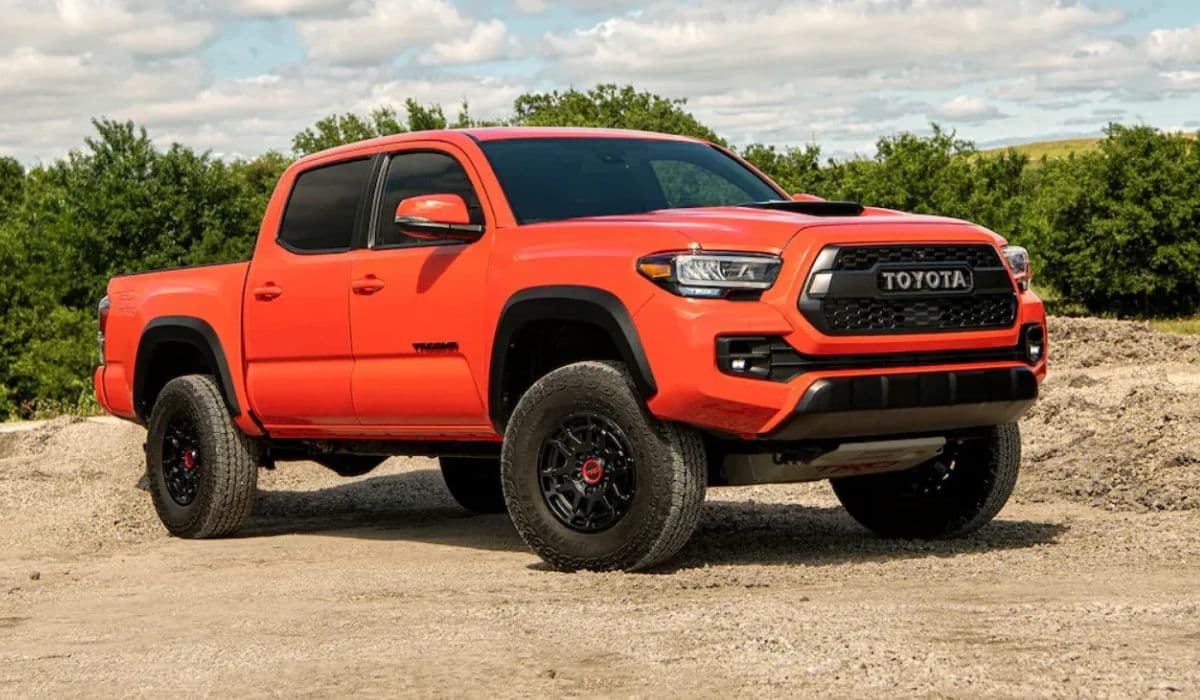
The Toyota Tacoma has dominated the midsize pickup segment for decades, and the eternal debate between the legendary 2nd generation (2005-2015) and the current 3rd generation (2016-present) is hotter than ever. With used 2nd-gen prices staying surprisingly strong and the 3rd-gen receiving major updates through its lifecycle, buyers are torn: do you go with the proven, bulletproof classic or the more modern, refined truck? Here’s the most in-depth real-world comparison available.
Reliability and Longevity: The Biggest Divide
The 2nd generation Tacoma, especially models from 2009-2015 with the 4.0L V6 (1GR-FE) and 2005-2015 with the 2.7L 4-cylinder (2TR-FE), earned an almost mythical reputation for indestructibility. Frame rust was the only serious Achilles heel (mostly resolved after the 2008-2009 recall and undercoating campaigns), but engines and drivetrains routinely surpass 400,000-600,000 miles with basic maintenance.
The 3rd generation shifted to the 2.7L (2TR-FE carryover) and the new 3.5L V6 (2GR-FKS) with direct + port injection. Early 2016-2017 models had transmission shifting quirks and occasional fuel pump issues, but Toyota ironed most problems out by 2019. Current 2023-2025 models are extremely reliable, yet they haven’t reached the “million-mile club” status of clean 2nd gens yet simply because of age. Real-world data from owners on TacomaWorld and Tacomabeast forums still gives a slight long-term edge to late 2nd gens.
Engine Performance and Real-World Power Delivery
The 4.0L V6 in the 2nd gen makes 236 hp and 266 lb-ft, paired with a 5-speed automatic (later 6-speed in some trims) or 6-speed manual. It feels torquey from idle and loves to rev, delivering surprisingly quick 0-60 times (around 7.2-7.8 seconds) for a midsize truck of that era.
The 3rd-gen 3.5L V6 jumped to 278 hp and 265 lb-ft, but peak torque arrives much higher in the rpm range. On paper it’s stronger, yet many owners report the 4.0L 2nd gen feels punchier in daily driving and when loaded. The 3rd-gen 6-speed automatic is smoother in traffic but can hunt for gears off-road or when towing. The manual transmission disappeared after 2023 in V6 models, a major loss for enthusiasts.
The base 2.7L four-cylinder remains virtually unchanged between generations and is still the choice for fleet buyers who want 159 hp and legendary durability with better fuel economy.
Off-Road Capability: TRD Pro vs TRD Pro
A bone-stock 2nd-gen TRD Off-Road or TRD Sport with the factory e-locker and ATRAC is still one of the most capable midsize trucks ever made on technical trails. Approach angle is 35° (PreRunner) to 32° (4x4), breakover 21-27°, departure 23-26° depending on configuration.
The 3rd-gen TRD Off-Road gained Multi-Terrain Select and Crawl Control, improving ease of use dramatically for average drivers. The 2020+ TRD Pro with Fox 2.5 internal-bypass shocks, 16-inch wheels wrapped in Goodyear Territory RT tires, and increased ride height is objectively superior on high-speed desert runs. However, many hardcore rock crawlers still prefer 2nd gens because they sit higher after a moderate lift (thanks to simpler IFS geometry) and parts are cheaper.
Towing and Payload: Numbers vs Real Life
2nd gen max towing: 6,500 lbs (V6 4x4 with tow package).
3rd gen max towing: 6,800 lbs (2023+ V6 RWD) or 6,400 lbs (most 4x4 configurations).
Payload ranges from 1,120-1,685 lbs on 2nd gen and 1,095-1,685 lbs on 3rd gen. The numbers are almost identical, but the 3rd-gen composite bed and higher curb weight eat into usable payload faster when you add passengers and gear.
Fuel Economy Reality Check
Late 2nd-gen 4.0L V6 4x4 owners consistently report 17-19 mpg mixed, 21-22 mpg highway if driven gently.
3rd-gen 3.5L V6 4x4 averages 18-20 mpg mixed, 22-24 mpg highway under the same conditions thanks to direct injection and a taller 6th gear. The difference is noticeable only on long highway trips.
Interior Comfort and Technology
This is where the 3rd generation destroys the 2nd gen. The 2005-2015 cabin feels like a time capsule: hard plastics, tiny screens (when equipped), Entune 1.0 that barely works in 2025, and seats that cause lower-back pain after three hours. Road and wind noise are loud above 65 mph.
The 3rd-gen (especially 2020+) offers Apple CarPlay/Android Auto standard, available JBL audio, Qi wireless charging, heated/ventilated seats in Limited/TRD Pro, dual-zone climate control, and vastly better noise insulation. The 14-inch touchscreen in 2024-2025 models is one of the best in any truck.
Safety Features and Crash Ratings
2nd-gen Tacomas earned “Good” ratings in most IIHS tests of the era but lack modern active safety. No blind-spot monitoring, no pre-collision braking, no adaptive cruise until the very last 2015 models (extremely rare).
Every 2023+ 3rd-gen comes with Toyota Safety Sense P (later TSS 2.5+): adaptive cruise, lane departure alert with steering assist, automatic emergency braking, blind-spot monitoring on most trims. Five-star NHTSA ratings across the board.
Cost of Ownership and Market Reality
A clean 2012-2015 Double Cab 4x4 TRD Off-Road with 100k-150k miles still commands $24,000-$32,000 privately in 2025. Depreciation has essentially flatlined.
A comparable 2020-2022 TRD Off-Road with similar mileage trades for $34,000-$42,000. Brand-new 2025 SR5 Double Cab 4x4 starts around $42,000 before destination and typically sells for $45k+ out the door.
Insurance is roughly 15-25% higher on 3rd gens due to repair costs (aluminum hood, LED headlights, cameras everywhere).
Modification and Aftermarket Support
The 2nd-gen aftermarket is mature and inexpensive. A 3-inch lift, 33-inch tires, armor, and re-gear can be done for under $4,000. UCA failures and body mount chops are well-documented fixes.
3rd-gen suspension geometry is more complex; quality lifts start at $2,500-$6,000 and wheel/tire packages quickly add up because of the 6x5.5 bolt pattern and larger OEM wheel offsets.
Ride Quality and Daily Driving
Empty, the 3rd-gen rides noticeably better thanks to retuned shocks and thicker frame rails. Loaded or towing, many owners say late 2nd gens with aftermarket leaf packs (Deaver, OME, Alcan) ride and handle payloads better because of the simpler rear suspension design.
Resale Value and Theft Rates
Both generations are stolen at an alarming rate (Tacoma is the #1 most stolen vehicle in many western states), but 2nd gens are easier to steal (no immobilizer on some early models). Clean-title 2nd gens hold value slightly better percentage-wise.
Which One Should You Buy Today?
If you want the cheapest possible entry into an ultra-reliable, simple-to-work-on truck that will outlast civilization and you don’t mind 2010-era tech → late 2nd gen all day.
If you drive mostly on pavement, want modern safety/tech, a smoother ride, and plan to keep the truck less than 10 years → 2020+ 3rd gen is the rational choice.
If you’re splitting time between hardcore trails and highway commuting and money isn’t tight → a 2024-2025 TRD Pro or Trailhunter 3rd gen is arguably the best factory midsize truck ever made.
Both are excellent. Neither is a wrong answer. The 2nd gen is the immortal cockroach. The 3rd gen is the polished evolution. Choose based on your priorities, not internet tribalism.
More from Toyota
2024+ Toyota Land Cruiser 2.4T Hybrid Real-World MPG: What Owners Actually Get
08.12.2025 13:31
RAV4 Prime vs Hybrid Battery Differences: A Deep Technical Comparison
08.12.2025 13:28
2UZ-FE 4.7 V8 vs 3UR-FE 5.7 V8 Reliability: In-Depth Real-World Comparison
08.12.2025 13:24
Best Year 4Runner to Buy Used (5th Generation)
08.12.2025 13:21
Common 3rd Generation Toyota Tundra 3.4L Twin-Turbo V6 (V35A-FTS) Engine Problems 2022–2025 Models
08.12.2025 13:18