
Is It Illegal to Drive Without Insurance?

One critical aspect often overlooked until it's too late is auto coverage. If you've ever wondered about the legality of operating a vehicle uninsured, the short answer is yes—it's against the law in nearly every U.S. state. This article dives into why that's the case, the potential repercussions, and what you need to know to stay compliant. We'll explore state variations, penalties, and steps to avoid pitfalls, drawing from real-world scenarios to help you navigate this essential topic.
Understanding the Legal Requirements for Auto Coverage
In the United States, most states mandate some form of liability protection for drivers. This isn't just a suggestion; it's a legal obligation designed to protect everyone on the road. The reasoning is straightforward: accidents happen, and without proper safeguards, the financial fallout can be devastating for victims and perpetrators alike.
Why States Require Proof of Coverage
The core idea behind these laws is financial responsibility. If you're at fault in a collision, your policy covers damages to others' property or injuries. Without it, you could leave innocent parties footing massive bills. States like California and New York enforce strict rules to ensure this safety net exists. For instance, in Texas, drivers must carry at least $30,000 in bodily injury liability per person, up to $60,000 per accident, and $25,000 for property damage.
Exceptions do exist, but they're rare. New Hampshire allows motorists to opt out if they can prove financial solvency through a bond or cash deposit, typically around $50,000. Virginia offers a similar uninsured motorist fee of $500 annually, but this doesn't provide actual protection—it's more of a waiver. These outliers highlight how uncommon it is to legally hit the road without a policy.
How Enforcement Works on the Ground
Law enforcement doesn't check every driver, but routine stops or accidents often reveal lapses. Officers might ask for proof during a traffic violation, and digital systems in many areas allow instant verification. If you're caught, it's not just a slap on the wrist; penalties escalate quickly, especially for repeat offenders.
The Consequences of Operating a Vehicle Uninsured
Getting pulled over without valid documentation can lead to immediate and long-term headaches. Fines are just the start—expect costs ranging from $100 to $5,000, varying by location and circumstances. In Florida, a first offense might ding you $150, while California could impose up to $500 plus additional fees. States like Illinois hit harder, with penalties climbing to $1,000 or more for subsequent violations.
Immediate Penalties and Vehicle Impoundment
One harsh reality is the potential towing of your car. If officers deem it unsafe or illegal to drive, they can have it removed on the spot, leaving you stranded and facing retrieval fees that add hundreds to the bill. This isn't uncommon in places like Georgia, where impoundment is standard for uninsured drivers involved in incidents.
Beyond that, registration suspension is a frequent outcome. Your vehicle's tags could be revoked until you provide evidence of compliance, meaning no driving until everything's sorted. In some cases, this involves court appearances or administrative hearings, turning a simple oversight into a bureaucratic nightmare.
Long-Term Repercussions and SR-22 Filings
For those labeled high-risk, an SR-22 certificate becomes mandatory. This isn't insurance itself but a form your provider files with the state to confirm ongoing coverage. It's often required after serious lapses, like driving without protection leading to an accident. States such as Ohio and Colorado demand it for up to three years, and it can spike your premiums by 20-50% or more.
Consider a real example: A driver in Michigan caught without a policy after a minor fender-bender faced a $500 fine, vehicle towing costing $200, and a suspended license. To reinstate, they needed an SR-22, which doubled their monthly rates. These stories underscore how a momentary lapse can snowball into years of financial strain.
State-by-State Variations in Rules and Penalties
While the federal government doesn't dictate these laws, each state sets its own bar. Most follow a "financial responsibility" model, but details differ. For example:
Western States: California requires electronic proof and imposes fines starting at $100 for first-timers, escalating with repeats.
Southern Regions: Texas mandates minimum liability and can suspend licenses for up to a year, with fines up to $1,000.
Midwest Examples: In Minnesota, penalties include up to 90 days in jail for severe cases, alongside fines from $200 to $3,000.
Eastern Coast: New Jersey's system is no-fault, but driving uncovered still nets fines of $300-$1,000 and possible community service.
These differences mean what flies in one area could land you in hot water elsewhere. Always check your local DMV for specifics, especially if you're moving or traveling cross-country.
Alternatives and Ways to Stay Protected
If standard policies feel out of reach, options like usage-based plans or state-sponsored programs for low-income drivers can help. Companies offer telematics devices that track habits for potential discounts, making compliance more affordable. In high-cost areas, shopping around via comparison tools can uncover deals without skimping on essentials.
Remember, minimum coverage might meet legal standards but often falls short in real accidents. Adding comprehensive or collision elements provides broader safeguards, potentially saving money in the long run.
How to Avoid Common Pitfalls
Proactive steps make all the difference. Set calendar reminders for renewal dates, and consider automatic payments to prevent lapses. If you're in a bind, some states allow short-term bonds or self-insurance for businesses, but these aren't practical for individuals.
Educating yourself on local statutes is key. Resources like the Insurance Information Institute offer free guides, and consulting a licensed agent can clarify doubts. Ultimately, staying insured isn't just about dodging fines—it's about responsible road sharing.
In wrapping this up, operating a vehicle without proper safeguards is indeed illegal in almost all states, with penalties that can disrupt your life and wallet profoundly. From fines spanning $100 to $5,000 to vehicle towing, registration holds, and SR-22 requirements, the risks far outweigh any short-term savings. Prioritize compliance to protect yourself and others; it's a small investment for peace of mind on every journey. If you're unsure about your status, verify it today—better safe than facing the consequences tomorrow.
Mini-FAQ
What happens if I'm in an accident without auto coverage?
You could be personally liable for all damages, facing lawsuits, license suspension, and higher future rates. In no-fault states, you might still need to cover your own injuries out-of-pocket.
Can I drive someone else's car without my own policy?
It depends on their coverage. If their policy includes permissive use, you might be covered, but it's risky—always confirm to avoid gaps.
How do I get an SR-22 after a violation?
Contact your insurer; they'll file it with the state for a fee. Shop around, as not all providers offer this, and it signals high risk.
Is there any state where driving uninsured is completely legal?
Only New Hampshire allows it without penalties if you can prove financial responsibility, but even there, it's not advisable due to potential liabilities.
What are the cheapest ways to meet minimum requirements?
Look into state minimum liability plans, discounts for safe driving, or programs like California's Low-Cost Auto Insurance for qualifying residents.
More from Traffic & Law

What is a DWI?
23.11.2025 19:40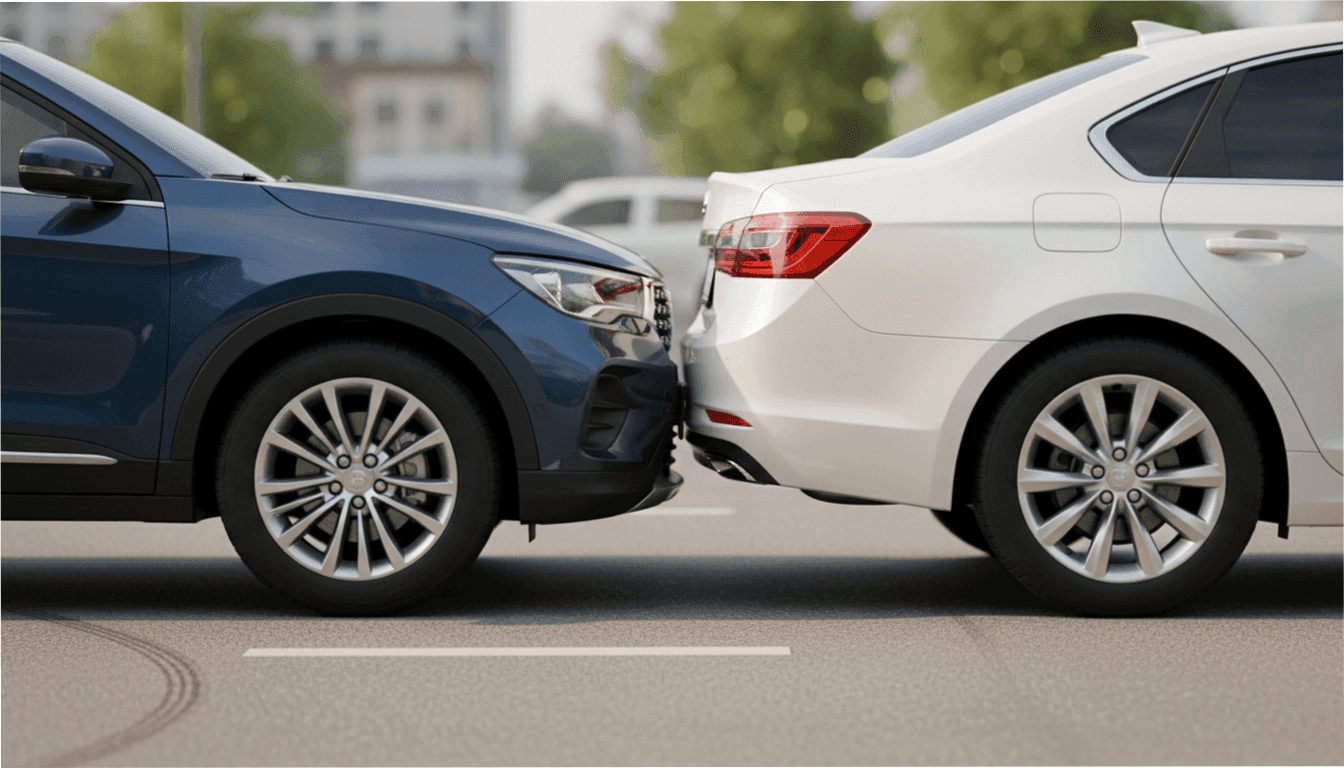
What to Do After a Car Accident?
23.11.2025 19:33
Top Reasons US Drivers Fail Their DMV Test in 2025
21.11.2025 16:47
Essential Guide to Buying Cars from Auctions for US Citizens: Pitfalls, Scams, and Key Documents
21.11.2025 12:34
Upcoming Traffic Regulation Changes in 2026: Insights from the US and Around the World
21.11.2025 12:34